Powhatan County reviews proposed FY26 budget amid tax-rate questions and staffing requests
Loading...
Summary
At a March 13 budget workshop, Powhatan County officials reviewed a proposed Fiscal Year 2026 budget that staff say would add about $5.7 million in general fund revenue, include several new or reclassified positions and relies on an advertised tax rate that has prompted public questions about the size of residents' tax increases.
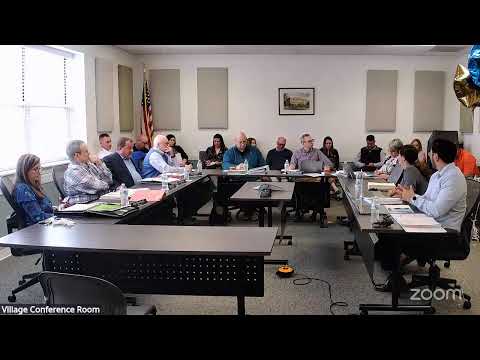
Powhatan County officials reviewed the county administrator’s proposed Fiscal Year 2026 budget at a March 13 workshop, outlining roughly $5,700,000 in additional general-fund revenue and multiple staffing and operational changes while prompting public concern about how much residents’ property tax bills could rise.
A county resident, Isaac Mazendar of the Brooklyn Estates Owners Association, opened public comment by citing assessment and rate figures and questioning whether the budget ties to clear goals. "The proposed fiscal 26 county budget is incomplete, has many gaps, has no deliverables, and feels like a wish list," Mazendar told the board, saying property assessments were up about 8% and noting an advertised tax-rate scenario that he said would increase taxes substantially for homeowners.
The county administration told supervisors the revenue increase is driven largely by reassessments and the proposed rate change. County staff summarized the package as built around a rate the administration described in presentation materials as 72 cents per $100 of assessed value; the public comment referenced an advertised 75-cent figure agreed to at a prior meeting. County Administrator Brett Timberlake said the roughly $5.7 million estimate includes reassessment growth and the three-penny increase in the advertised rate and that the proposed budget sets aside about $300,000 in additional tax-relief for elderly and disabled veterans.
Why it matters: The workshop lays out the spending and staffing the county would authorize if the board adopts a FY26 budget close to the proposal. The difference between assessment growth and any chosen tax rate determines homeowners' bills; staffing additions and one-time programs in the plan would affect county services and future operating costs.
Key figures and staffing requests - Staff said the package assumes about $5,700,000 of additional general-fund revenue driven by reassessments and the proposed tax-rate change. - The administration reported a total position request of roughly $1,600,000 that was reduced in the proposed budget to about $588,000, representing a net 3.4 full-time-equivalent positions (FTEs). - Proposed or highlighted position changes included a full-time deputy county administrator (half initially shown as funded from CBT/CBTA funds in the presentation), two additional full-time firefighters (four hires over several months including filling vacancies), one additional full-time patrol deputy for the sheriff’s office, and upgrades from part-time to full-time for certain coordinator posts in emergency management and elections.
Department highlights presented by staff - Assessor: proposed budget about $472,000 (net decrease of roughly $8,400) with certification pay and higher starting salary for the chief assessor. - Building inspections: about $587,000 (≈4% increase). - Circuit court clerk: about $754,000 (net decrease ≈$6,000) with operating and capital flat. - Commissioner of the Revenue: about $935,000 (≈3.3% increase), including planned identity-software costs shared with the treasurer. - Commonwealth’s Attorney: about $685,000 (≈3.2% increase), including salary supplements to review camera footage (≈$15,000). - County administration: about $913,000 (≈30.5% increase), driven primarily by a proposed full-time deputy county administrator position. - County attorney: about $241,000 (new employee rather than contract, includes benefits). - Finance: net increase ~3.5%, driven by personnel and higher external-audit and consultant costs. - Fire & Rescue: roughly $4,400,000 (≈10.2% increase) with personnel increases the primary driver; presentation said the department expects to hire four full-time firefighters over the next six months to address vacancies and planned additions. - Information technology: roughly $1,080,000 (≈4.6% increase), including a reclassification to IT operations manager and shifts of phone replacements from CIP to operating. - Public safety communications (911): about $2,800,000 (≈5.2% increase); staff noted plans to renew and upgrade RapidSOS integration and pursue grant funding to offset cost. - Public works: about $3,700,000 (≈7.4% increase) with operational increases for convenience-center waste and recycling service and stormwater work. - Sheriff’s office: about $7,200,000 (≈4.4% increase) with a requested additional full-time patrol deputy and subscriptions for automated license-plate/area-camera services (referred to as “Flock” cameras). - Library: about $778,000 (≈6.1% increase); staff noted roughly 27% of that total is state library aid and the county’s net contribution is smaller. - Social services: about $3,000,000 (≈2.9% increase); the presentation called out CSA/private placement costs for roughly 30 children, some placements costing tens of thousands per child annually. - Utilities: about $3,100,000 (≈3.6% increase) with sludge removal and capacity costs called out.
Program and nonprofit contributions The administration also presented a new application-based process for discretionary contributions to local nonprofits and organizations. Staff proposed funding at lower levels than some applicants requested and described plans to require applications to include an organizational chart, current operating budget and financial statements; applicants agreed by application to open books on request. Board members discussed whether to earmark funds for specific uses and encouraged follow-up and accountability.
Public-safety technology and data Staff described the county's use or renewal of several public-safety technologies. A public-safety communications staff member described RapidSOS as next-generation 911 location and data services, saying it can provide caller location and health-profile data from smartphones and send crash telemetry to dispatch screens. Sheriff’s office staff described use of commercial camera/subscription services (referred to as Flock) to locate vehicles tied to crimes and missing-persons investigations; presenters noted contract costs are increasing and that the county is negotiating multiyear rates.
Questions and next steps Board members asked for clarifications on the advertised tax rate, the relationship between assessment increases and rate changes, the distribution of state aid to the library, the status of CIP items, and which parts of the proposed budget would require additional pennies on the tax rate to fund items such as a $500,000 pilot program discussed for alternative education. Staff told supervisors the presented figures assume the advertised rate as described in the workshop materials and said they would return with detail before final budget adoption. The administration and staff indicated they will supply additional backup on specific requests, including detailed cost information for some county positions and nonprofit requests.
No formal votes were recorded during the workshop; the presentation was a review and follow-up items were identified for future meetings.
Ending: The board scheduled further budget and CIP work sessions and a closed session on the following dates; staff and supervisors urged residents and organizations to use the new application process for discretionary contributions and to watch for the county’s housing-needs survey and other public-engagement opportunities.