Get Full Government Meeting Transcripts, Videos, & Alerts Forever!
Get email alerts on the Manatee Study topic
No spam. Unsubscribe anytime.
Stevens Creek advocates push citizen science manatee study as developers seek multi-boat dock permits
Summary
Residents and advocacy groups urged the Marine Advisory Board to support a citizen-science study of manatee use in Stevens Creek and described opposition to a pending multi-boat dock permit tied to a large development at the estuary.
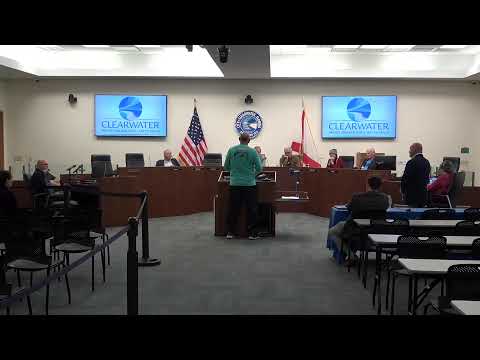
Members of the Stephenson (Stevens) Creek advocacy community told the Marine and Aviation Advisory Board on March 6 that they want a city-supported, citizen-science survey to document manatee presence and other wildlife before permitting decisions proceed for proposed multi-boat docks at the creek’s estuary.
Alexandra Nixon, president of the Stephenson Creek Advocacy Group, described the creek’s long cleanup history and said the feasibility study for a slow-speed zone recommends a locally adopted manatee ordinance, supported by evidence of manatee presence gathered through volunteer monitoring. Nixon said the feasibility study estimated a cost of about $163,000 for a full survey and that local volunteer participation could substantially reduce that cost. “We have a lot of dolphins. We know manatees are there already now,” Nixon said.
Darryl Lakey, a resident who lives on the creek, and other residents objected to a pending permit request they said would allow 9–10 slip, wide docks near a narrow navigable channel. Lakey said the docks are far larger than typical single-house docks—he described proposed docks roughly 90 feet out and 30 feet wide—and worried about increased boat traffic, speed violations and potential collisions with manatees. “These are massive,” Lakey said of the proposed dock structures.
Board members and staff explained the permit process: the dock permit application cleared an initial local body (referred to at the meeting as the CDB) but remains under review at Pinellas County, the Southwest Florida Water Management District and, subsequently, federal agencies including the U.S. Army Corps of Engineers. Nixon and Lakey said they opposed earlier permit approvals and filed objections where possible; they said public notice and appeal windows limited their ability to weigh in during some earlier steps.
Staff told the board the feasibility study recommended a citizen-science approach to document manatee use, counting manatees across seasons and identifying warm-water refuge locations. Staff estimated data collection would need to span full seasonal cycles—roughly a year—to be robust. Nixon said the advocacy group has engaged Save the Manatee Club and Dr. Beth Brady to help compile volunteer-collected data and that volunteers have begun observations and photo submissions.
No new regulatory action or ordinance was adopted at the meeting; residents and the advocacy group urged the board and staff to prioritize data collection before later-stage permitting decisions. Nixon and Lakey said they will continue to coordinate volunteer monitoring and legal/permitting opposition through the county and state review processes.
Ending: The feasibility study and citizen-science monitoring will inform future local slow-speed or manatee-zone options if residents can secure funding or partnerships; meanwhile, the multi-boat dock permit remains under county and state review.