Get Full Government Meeting Transcripts, Videos, & Alerts Forever!
Get email alerts on the School Safety topic
No spam. Unsubscribe anytime.
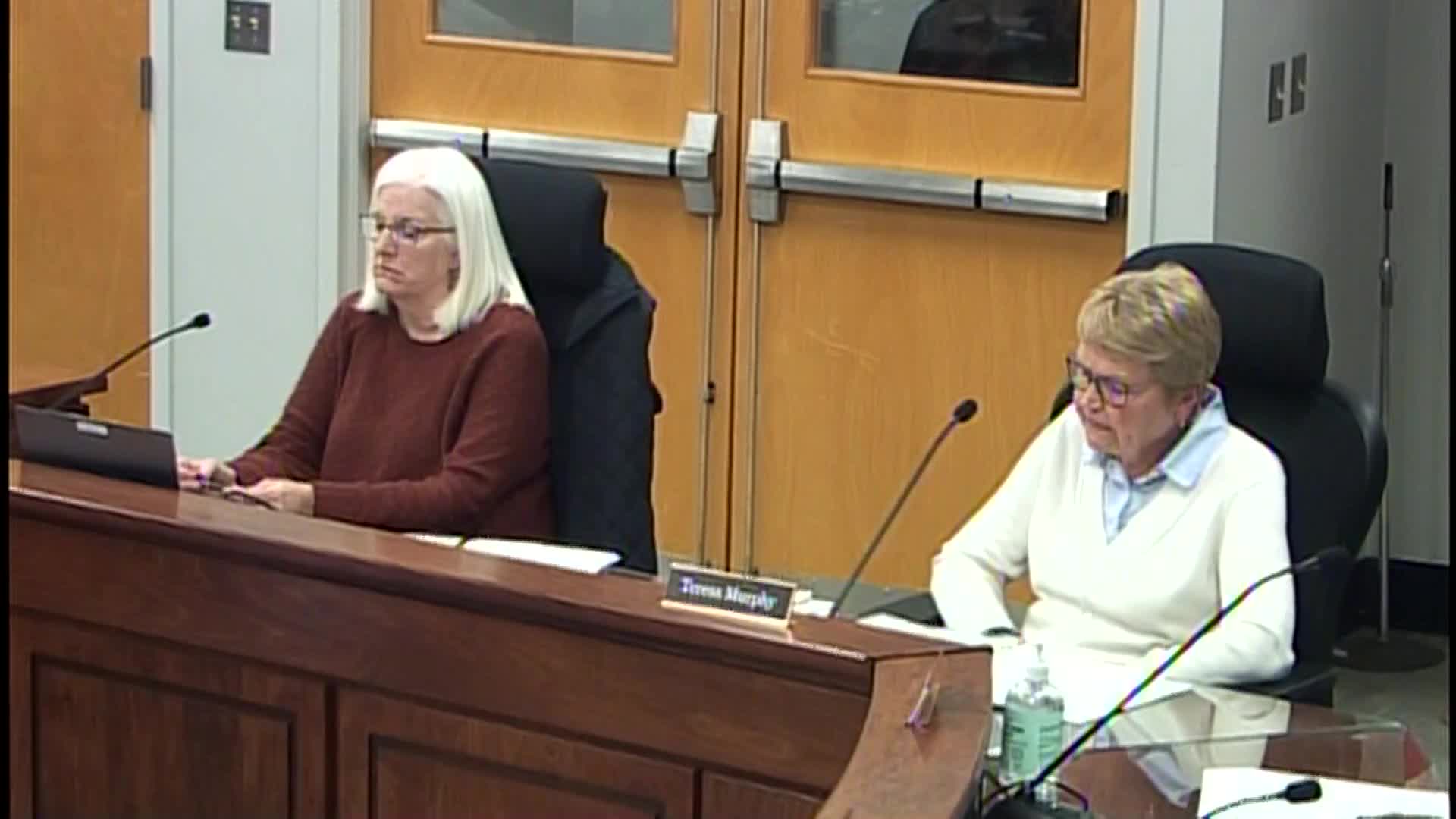
School committee approves SRO memorandum of understanding; police outline body-camera policy and broader safety work
Summary
The Mansfield School Committee approved a memorandum of understanding for school resource officers and heard a district safety overview from police leaders covering body-camera policy, prevention and community-based programs including SRO engagement and co-responder partnerships.
The Mansfield School Committee voted 5–0 on March 4 to approve a memorandum of understanding (MOU) with the Mansfield Police Department that formalizes the role, responsibilities and oversight of school resource officers (SROs) assigned to district schools.
Chief Ron (surname not specified) and department leaders described the MOU as the result of a year-long process that also produced written policy for body-worn cameras. The MOU itself deletes a previous body-camera clause and refers camera use to the department’s formal policy; committee members were given that policy and asked to review it.
Police leaders said the department’s body-camera policy permits officers to activate cameras at their discretion when circumstances warrant—particularly during enforcement actions or when officer safety is a concern—and discussed limits in areas where a heightened expectation of privacy exists (restrooms, locker rooms and similar spaces). Detectives and the chief told the committee cameras are generally off by default and activated when responding to incidents; the department retains recordings for evidentiary needs and for routine footage typically retains recordings on a rolling basis (officers said routine retention is roughly 30 days unless an incident is bookmarked for extended preservation).
Committee members asked about notification and oversight; police said officers will inform people when practical and that the policy addresses recording, retention and legal discovery. Police representatives noted storage, discovery and public-records workloads are significant operational considerations when body cameras are used.
The committee also received an informational overview of broader school-safety activity. Police leaders described a prevention-focused approach that combines environmental improvements (controlling access, campus design changes and key-card management), training and relationship-building programs. Examples cited included 4 Ls student training (basic safety actions), SRO-run engagement programs such as a video-game club for students, coordination with the regional Metropolitan Law Enforcement Council for specialized response resources, and co-responder links with embedded mental-health clinicians and the local POP (problem-oriented policing) team.
Police emphasized that many incidents are low-frequency but high-risk and that prevention and early identification (through increased communication and partnership with school staff and families) are central to avoiding critical incidents. The chief said the department has prepared “impact plans” and tabletop exercises and urged ongoing feedback from the committee and staff on where additional prevention or training is needed.
The MOU vote was taken after brief discussion; the policy on body cameras remains available for committee review and the department asked that committee members review the impact plans and offer feedback.