Get Full Government Meeting Transcripts, Videos, & Alerts Forever!
Get email alerts on the Solar topic
No spam. Unsubscribe anytime.
Prince Edward supervisors reject 1,200-acre Gabriel Energy solar and battery plan after lengthy public hearing
Summary
After hours of public comment and presentations from the developer and technical experts, the Prince Edward County Board of Supervisors voted to deny a special-use application for the proposed Gabriel Energy 80 MW solar farm and accompanying battery storage system.
Prince Edward County supervisors voted on March 11 to deny a special-use permit for Gabriel Energy’s proposed utility-scale solar project, a plan that would have placed solar arrays and a battery energy storage system across roughly 1,200 acres in the Lee District.
The application drew hours of public testimony from more than 70 people who signed up to speak—neighbors who opposed the project and landowners who supported it. Energix (developer) representatives presented technical, economic and safety information and said the project would include pollinator plantings, sheep grazing (agrivoltaics), and US-made panels with a decommissioning bond. First Solar described its thin-film cadmium-telluride panels and recycling program. Developers and engineers also described stormwater controls, wildlife corridors and a battery energy storage system (BESS) sited at the on-site substation.
The meeting’s mood shifted as dozens of residents described viewshed, environmental, noise and water-quality concerns. Several speakers said they had not been adequately notified, and others cited past enforcement actions taken against Energix projects elsewhere in Virginia and ongoing litigation they said raised questions about compliance and enforcement.
Why it mattered: The proposed solar project was the largest land-use item on the meeting agenda and highlighted tensions between local landowners seeking new revenue streams and neighbors who said the scale and siting would change the character of a largely agricultural area. The project also raised questions about how local governments balance economic benefit with land-use, environmental protection and emergency planning when utility-scale projects are proposed.
Details and developer case: Gabriel Energy and project partners said the installation would produce 80 megawatts of solar capacity with approximately 30 MW / 120 MWh of battery capacity (figures were presented by the developer), create construction jobs and pay local taxes over a multi-decade operating life. Developers said less than half of the total acreage would be covered by panels, and they pledged extensive vegetative buffering and agrivoltaic practices (sheep grazing and pollinator plantings) intended to preserve soil and habitat.
Concerns raised by neighbors and experts: Speakers opposing the project cited loss of forest and habitat, potential impacts on waterways and wetlands, property-value impacts for adjacent parcels, noise from inverters and uncertainty about long-term decommissioning and recycling. Multiple residents pointed to reports and enforcement actions involving other Energix projects and asked the board to require stronger, verifiable protections or to deny the permit. Several speakers asked for testing of soils and water before any action and requested strict local enforcement conditions if approval were considered.
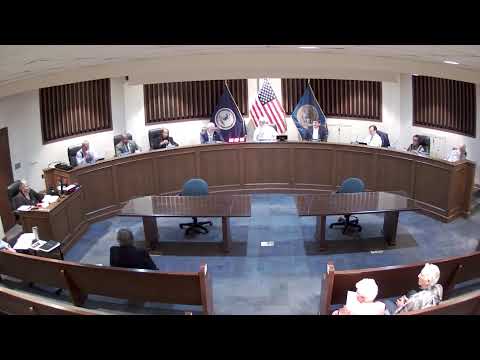
Board action: After public comment closed, a motion to reject the special-use permit passed on a roll-call vote. Several supervisors told the public they had wrestled with the competing interests—revenue, energy needs and property-owner rights versus the expressed concerns of neighbors—but concluded denial was the appropriate action for this application at this time.
Where it goes from here: The applicants may seek to revise the proposal or pursue remedies available under local ordinance and state law; the board’s decision was final for this meeting but does not by itself prohibit future filings on the same land. The developer repeatedly said it would continue local outreach and that elements of the design (agrivoltaics, decommissioning bonding, US-made panels) were intended to address many of the concerns raised.
Ending: The vote capped a multi-hour hearing with unusually high turnout and sustained public comment; board members urged continued dialogue about how the county pursues economic development while protecting long-term land, water and community character.