Get Full Government Meeting Transcripts, Videos, & Alerts Forever!
Get email alerts on the Consumer Pricing Disclosure topic
No spam. Unsubscribe anytime.
Senate committee hears bill to require full online pricing, DOJ backs disclosure rule
Summary
A proposal to ban 'drip pricing' and require sellers to show all non-tax, non-shipping fees before checkout drew support from the Oregon Department of Justice and consumer advocates, while banking and industry groups raised implementation concerns.
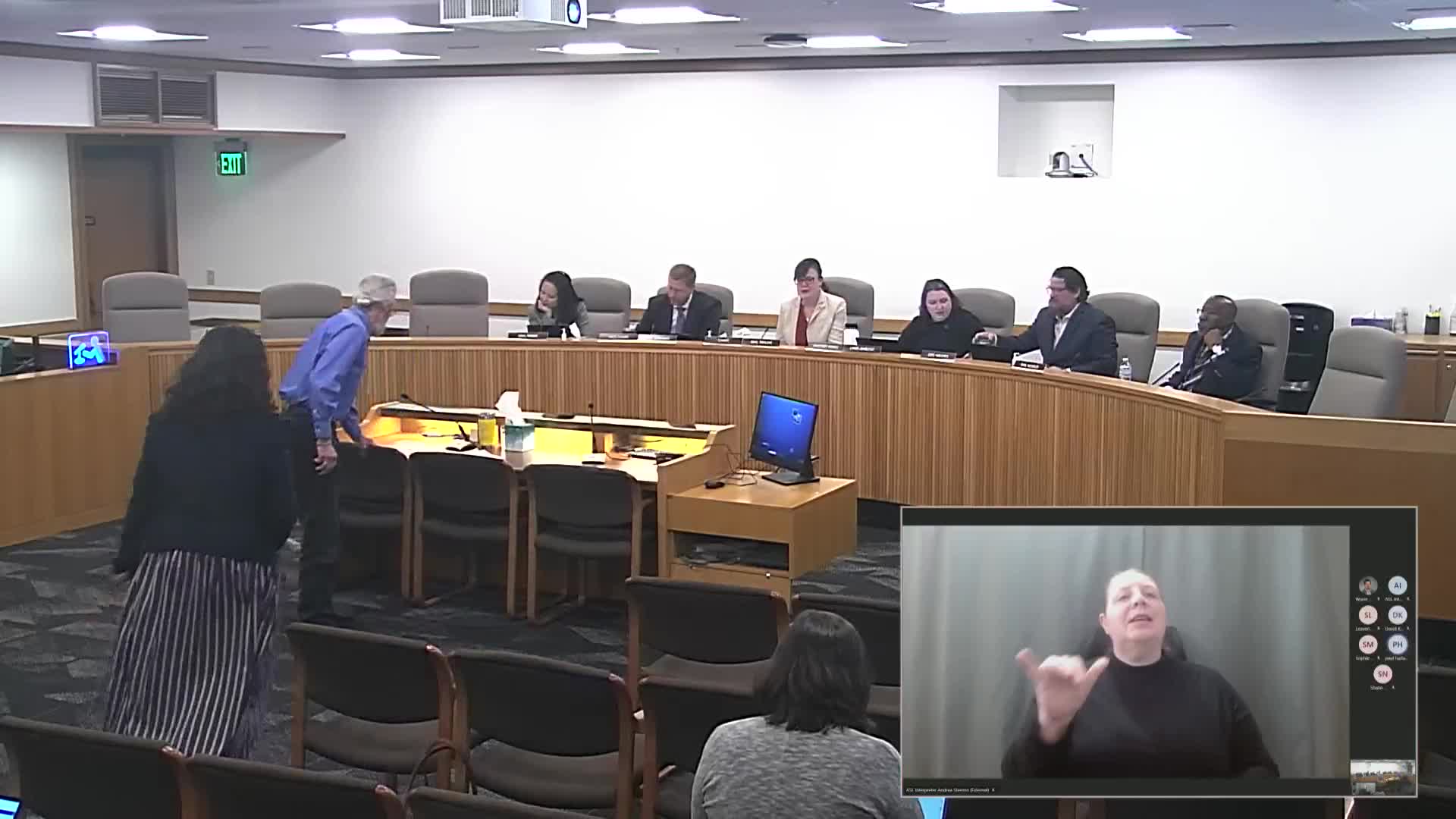
Senate Committee on Labor and Business members on Thursday heard public testimony on Senate Bill 430, a measure that would require sellers offering goods or services online to display a price that includes all fees or charges a purchaser must pay to complete a transaction, with exceptions for taxes and reasonable shipping charges.
The bill’s sponsor, State Senator Floyd Brezanski, told the committee he drafted the dash-1 amendment after consulting the Department of Justice and hearing consumer complaints about so-called “gotcha” or “junk” fees. “All I’m asking is that the vendor of merchandise make certain that the consumer is fully informed before the transaction is finalized as to what is it gonna be the actual cost that you’re going to be paying,” Brezanski said.
The Department of Justice’s policy advisor Leslie Wu said the dash-1 amendment is a disclosure rule and does not prevent sellers from charging any fee; it requires clearer disclosure of the final price before a buyer confirms a purchase. “The current language of the dash-1 amendment … makes clear that that is not an allowed practice in Oregon,” Wu testified, describing drip pricing as a practice that inflates a price as shoppers navigate a site. Wu noted the proposal draws on language used in California’s statute and on an FTC rule issued in January 2025.
Why it matters: Committee members and speakers said the bill targets deceptive online pricing that can mislead consumers and siphon click traffic from legitimate sellers. Proponents said clearer upfront disclosure would allow shoppers to decide whether to complete purchases and provide a straightforward path for small-claims redress when deception occurs.
Testimony and concerns: Brezanski emphasized the bill’s carve-outs for taxes and reasonable shipping or handling charges, telling the committee these exceptions “make good sense” because sellers need a buyer’s address to calculate shipping. Senator Hayden pressed whether the bill would cover recurring or continuation charges such as automatic monthly subscriptions; Brezanski said his intent is the buyer be informed of continuation charges at the point of initial purchase. Wu added that sellers could comply by listing a convenience fee or a price range rather than hiding fees until after confirmation.
Business groups and banking associations have raised questions about where the disclosure should sit in statute and the potential impacts on national sellers. Vice Chair Bonham and others said they supported the consumer-protection goal but wanted clarity on statutory placement and carve-outs; the amendment places the rule in the state’s unlawful trade practice framework and creates a private right of action under that statute. Wu said the placement reflects existing deceptive-practices law and explained DO J’s limited enforcement resources compared with private actions.
Process note: The committee temporarily closed the public hearing on SB 430 to allow another member to return to committee business and intends to return to the measure at a later date.
Ending: No formal action or vote was taken on the bill Thursday. Committee members instructed staff and the sponsor to provide additional drafting and clarifications and signaled interest in reconvening testimony on the measure at a future meeting.