Get Full Government Meeting Transcripts, Videos, & Alerts Forever!
Get email alerts on the Corrections Reentry Training topic
No spam. Unsubscribe anytime.
Supporters urge reinstatement of Coffee Creek advanced-aesthetics and tattoo-removal training (House Bill 3,066)
Summary
At a public hearing, legislators, program instructors and formerly incarcerated graduates urged the committee to restore funding for the Advanced Aesthetics Program at Coffee Creek Correctional Facility; testimony described tattoo removal and scar‑revision services as pathways to employment and safety for women returning to the community.
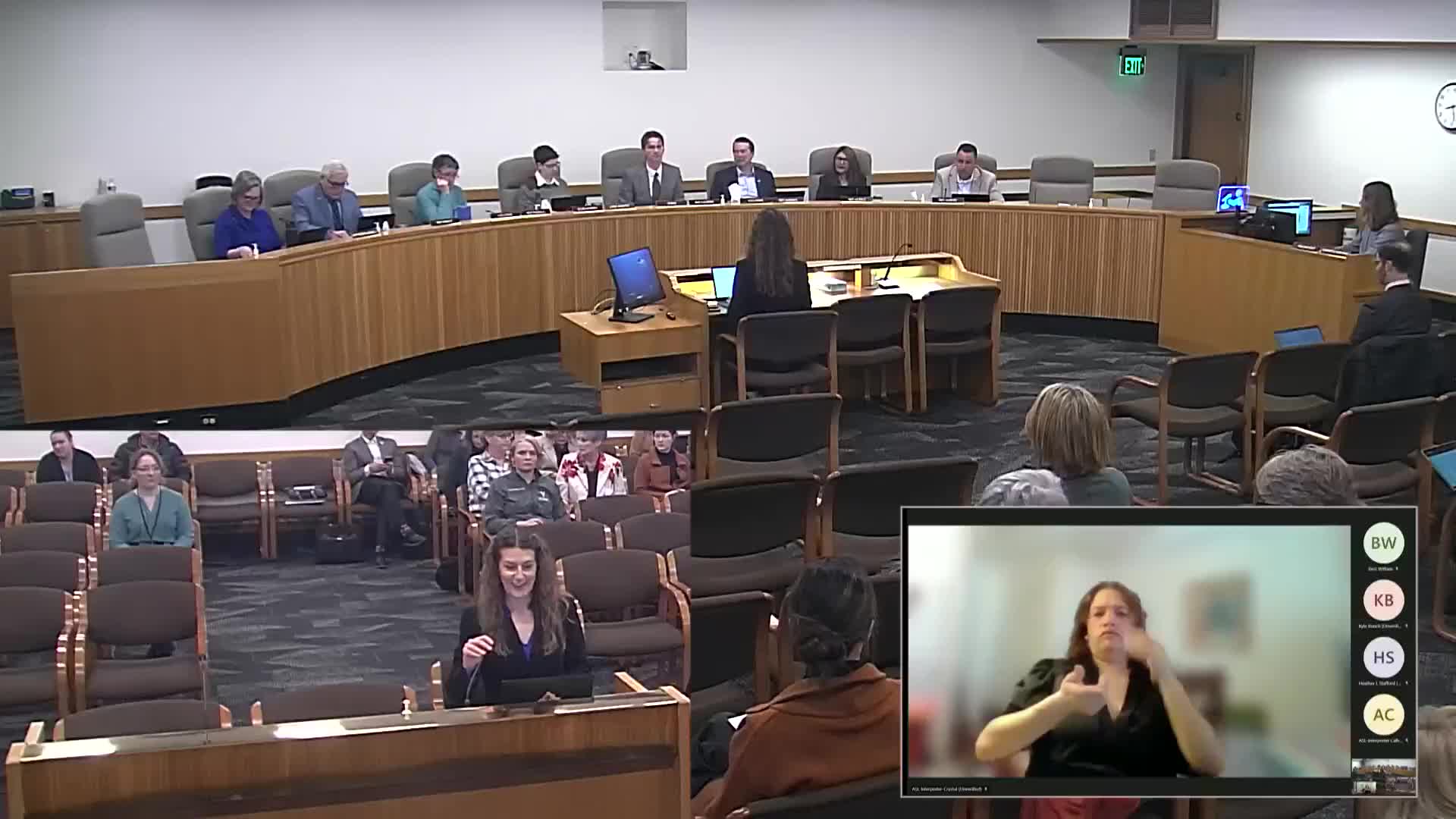
Supporters of House Bill 3,066 told the House Committee on Higher Education and Workforce Development that restoring funding for the Advanced Aesthetics Program at Coffee Creek Correctional Facility would provide job skills, tattoo removal and scar‑revision services that can support employment and safety for women returning to the community.
Representative Courtney Nieron, sponsor of HB 3,066, said the program had a successful launch before COVID and "provides industry standard training and certification and advanced aesthetics for adults in custody," including skills in laser tattoo removal, scar reduction, hair removal and skin rejuvenation. Nieron said the program was developed in partnership with Portland Community College and the Oregon Department of Corrections and that it previously certified students before being suspended due to COVID and funding limitations.
Testimony included instructors and program staff. Tammy Kennedy, who runs the Coffee Creek School of Cosmetology for Portland Community College, said she taught the first class and that the program graduated four students before the COVID suspension; she described student outcomes and security protocols used in the correctional setting. Kennedy said the program originally charged a small fee but noted that since the program was suspended recent limited tattoo removal has been provided without charge. A witness who was formerly in custody, Jennifer Lauria, said she completed advanced-aesthetics training after release, opened a practice and credited the training with creating a pathway to stable work. Advocates and program staff urged that tattoo-removal services be made available — potentially free — to women with trafficking-related tattoos; sponsor Nieron said advocates urged free services for trafficking survivors.
Program instructors and graduates described the emotional impact of tattoo removal and scar revision and cited studies of certification and wage potential in aesthetics. Testimony said the bill would fund replacement of necessary equipment and 0.5 full‑time equivalent staff to support the program; the committee record did not include a dollar amount tied to those pieces in the public testimony.
No committee vote was taken during the hearing; the committee closed the public hearing and proceeded to other items on the agenda.