Get Full Government Meeting Transcripts, Videos, & Alerts Forever!
Get email alerts on the Critical Infrastructure topic
No spam. Unsubscribe anytime.
Committee hears technical fix to expand "critical infrastructure" definition to include wired communications and chemical facilities; civil‑liberties groups and
Summary
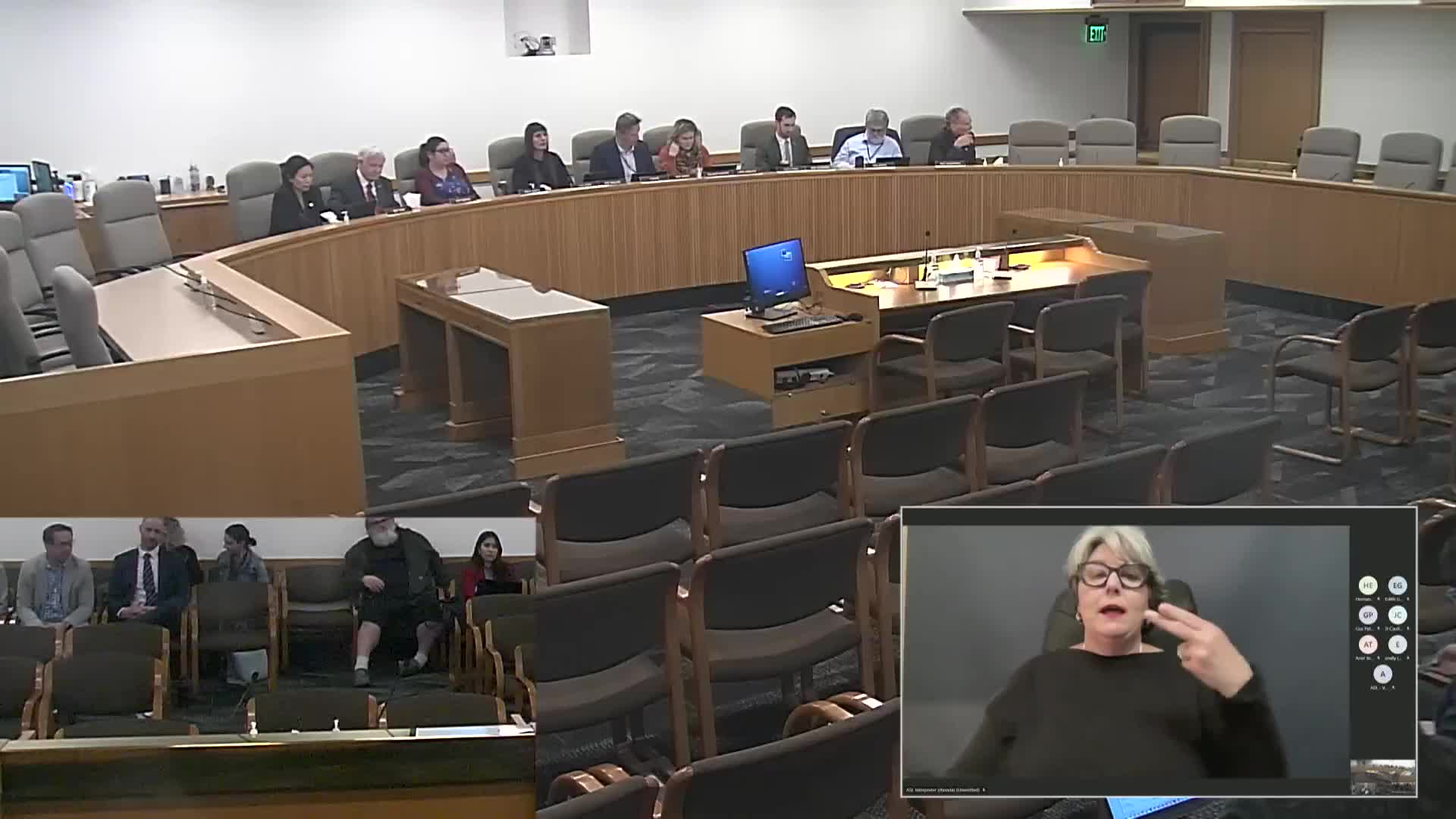
The House Committee on Judiciary opened a public hearing March 12 on House Bill 2,851, which would broaden Oregon’s domestic‑terrorism statute to include terrestrial‑based cable or wire communications facilities; a dash‑1 amendment adds chemical manufacturing and distribution facilities to the definition of "critical infrastructure."
The House Committee on Judiciary opened a public hearing Wednesday, March 12, on House Bill 2,851, a bill that would alter the definition of "critical infrastructure" used in Oregon's domestic‑terrorism statutes to include terrestrial‑based cable or wire communications facilities; a dash‑1 amendment presented to the committee would add chemical manufacturing and distribution facilities as well.
Sponsors and industry witnesses described the amendment as a technical update that aligns the statute with the range of communications cable and wiring used in modern networks. "We regard this as a simple fix to some language in the statute," Brent Wolf of the Oregon Broadband Association said, explaining that the term "fiber optic" does not encompass copper, coaxial or other wired elements of communications plant.
Nut graf: Proponents told the committee the change clarifies the law to protect the physical components of wired communications networks — which, they said, can be critical for 911 and other public services — and to include certain chemical facilities whose destruction could present large public‑health risks. Civil‑liberties organizations and other witnesses urged caution, arguing that domestic‑terrorism language has a history of being applied in ways that chill protest and disproportionately affect marginalized communities.
Industry witnesses cited recent destructive incidents and network outages to argue for protection of the full communications plant. Jared Weiner of Lumen Technologies said the company has more than 400,000 connections in Oregon and that the firm saw a more than 50% year‑over‑year increase in reported network incidents in early 2024; he warned that damage to networks can disrupt 911 and other critical services. Matt Marquis of the American Chemistry Council supported the dash‑1 amendment to include chemical manufacturing and distribution facilities within the statute's critical‑infrastructure definitions, saying the change aligns the list of protected facilities with listed toxic substances in the existing statute.
The ACLU of Oregon, represented by Jessica Matavian, and other civil‑liberties witnesses opposed expanding domestic‑terrorism language, arguing such statutes have been historically abused to surveil and criminalize dissent and to disproportionately target Black and Brown communities. "These laws are ripe for abuse," Matavian told the committee, urging lawmakers not to broaden the terrorism framework when existing criminal statutes already penalize destruction or attacks on property.
Representative Greg Evans, a sponsor of the original 2023 domestic‑terrorism law, said the measure and amendment are narrowly targeted at destructive acts against infrastructure, not lawful protest or speech. "This is about destruction of things, not prevention of speech," Evans said, noting that state and federal prosecution choices can differ and that the legislature created the prior statute to address gaps in state authority to prosecute certain attacks on public‑owned infrastructure.
Committee members asked whether the proposed language unambiguously covers a systemic communications “facility” (the witnesses clarified the intent is to encompass network plant, including fiber backbone and associated copper/coax segments) and whether adding chemical facilities broadens the law too far. Several legislators and civil‑liberties witnesses said they would prefer narrow drafting and sought assurances the statute would not be used to punish nonviolent protest.
At the hearing's end the committee took no vote; members closed the public hearing and signaled follow‑up discussion about precise drafting to ensure the statute targets destructive acts against infrastructure rather than protected speech.
No prosecutions under the 2023 domestic‑terrorism statute were identified during testimony; the ACLU and other opponents cited national examples of how terrorism‑labeling can be misapplied, and industry witnesses pressed for the statutory fix to ensure protection of wired communications and specified chemical facilities.