Get Full Government Meeting Transcripts, Videos, & Alerts Forever!
Get email alerts on the Court Debt topic
No spam. Unsubscribe anytime.
House Judiciary hears bill to shorten court-debt collection windows, direct study of automatic expungement
Summary
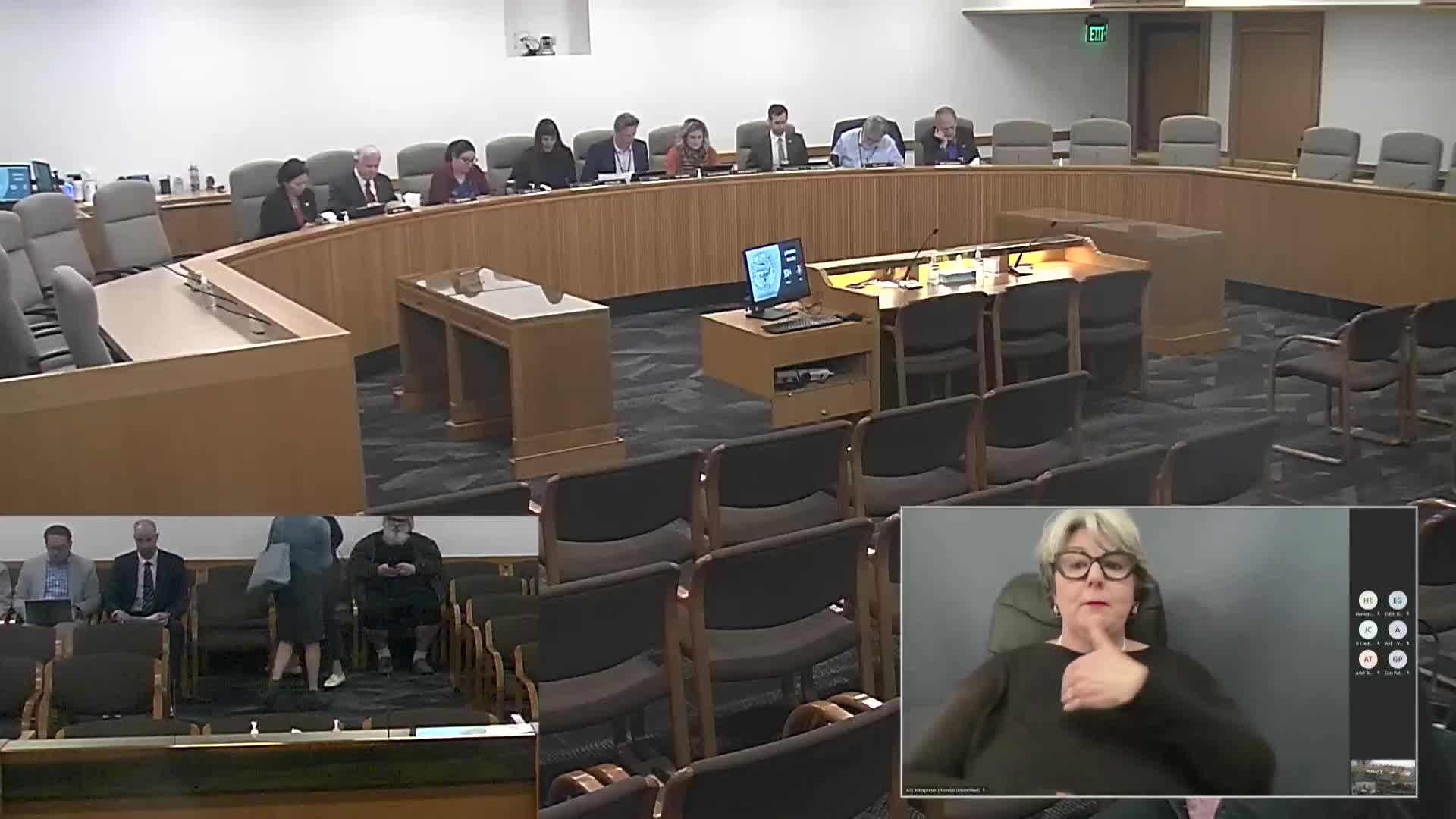
The House Committee on Judiciary held a public hearing Wednesday, March 12, on House Bill 3,825, which would shorten how long courts and collection systems may pursue criminal monetary judgments — proposing 10 years where the most serious conviction is a felony and five years where the most serious conviction is a misdemeanor — and direct the Oregon Judicial Department to study automatic expungement and report back by Sept. 15, 2027.
The House Committee on Judiciary held a public hearing Wednesday, March 12, on House Bill 3,825, which would shorten how long courts and collection systems may pursue criminal monetary judgments — proposing 10 years where the most serious conviction is a felony and five years where the most serious conviction is a misdemeanor — and direct the Oregon Judicial Department to study automatic expungement and report back by Sept. 15, 2027.
Supporters and legal-service providers told the committee the change would relieve long-running financial burdens on low-income Oregonians while preserving restitution owed to victims. "This bill is meant to start a conversation," Representative Willie Choetzen said, framing the measure as an attempt to balance accountability against long-term harm that fines and fees impose on people without ability to pay.
Advocates said old court debt is disproportionately uncollectible and harmful. Gus Patel Tepper, a supervising attorney at the Policy Advocacy Clinic at Berkeley Law, told the committee his research using Oregon Judicial Department data and surveys found that the large majority of outstanding court debt is unlikely to be collected and that collection activity drops significantly after a few years. "Old debt is just one link in the chain keeping people tied to the courts," he said, summarizing his findings that older debt is much less likely to be collected and that collection efforts can cost the state money.
Nut graf: Proponents said HB 3,825 would reduce collateral consequences that keep people from securing housing, employment or expungement, while opponents — including county and municipal court representatives and the Oregon District Attorneys Association — warned the change could reduce recoveries for third-party beneficiaries or community programs that receive compensatory fines and could complicate cases where offenders remain in custody during the proposed expiration window.
The hearing gathered testimony from legal-service organizations, public defenders, local-government representatives and individual Oregonians. John "JJ" Caulfield of the CLEAR Clinic described clients who remain subject to collections for years and said the bill would give people "a light at the end of the tunnel," while Maylee Browning of the Oregon Criminal Defense Lawyers Association said the change is "a relatively simple change relating to fines and fees that will have a big impact on Oregonians." Kenneth Dunham, a Salem resident who testified about his experience, described old fines and fees as "financial quicksand" that blocked his employment and housing options.
Opponents raised specific concerns about compensatory fines and payments that do not constitute restitution. Amanda Dalton of the Oregon District Attorneys Association said the bill as written could shorten enforceability periods for compensatory fines payable to nonvictim organizations — for example, fines paid to humane societies or anti‑trafficking funds — and might reduce funds used for victim services, training and local programs. Scott Winkles of the League of Oregon Cities said municipal courts rely on collection tools that differ from the circuit courts and that some cities contract with private collection vendors; he asked that local collection authorities and fiscal impacts be part of further conversations.
Witnesses cited data and operational details to support their positions. Patel Tepper said statewide data show most enforcement revenue is collected in the first three years and that the Oregon Judicial Department reports annual spending on collections contracts and activity; in the hearing he cited a figure of $16,000,000 per year spent on collections contracts (noting that that figure does not include personnel costs or the cost of hearings). Testimony repeatedly emphasized that restitution owed to crime victims would remain unchanged under the bill and that the measure is targeted at fines and fees that flow to courts or governments.
Committee members asked technical questions about existing ability‑to‑pay determinations, judges' discretion to set payment plans and whether judges can waive fees at expungement. Supporters and several service‑provider witnesses said courts frequently set payment plans but that associated fees and inconsistent implementation often make collection infeasible for very old debt; advocates urged the committee to combine statutory time‑limits with improved, consistent procedures to assess and waive fees based on inability to pay.
The public hearing closed with members stressing the need for further discussion. No committee vote occurred on HB 3,825 during the session. The bill also directs the Oregon Judicial Department to study issues related to automatic expungement and to deliver a report to the interim committees relating to the judiciary by Sept. 15, 2027; that directive would be repealed Jan. 2, 2028, under the bill's language.
The committee moved on to a separate bill after closing the public hearing on HB 3,825; lawmakers did not adopt amendments or take final action at this hearing.