Get Full Government Meeting Transcripts, Videos, & Alerts Forever!
Get email alerts on the Education Climate Standards topic
No spam. Unsubscribe anytime.
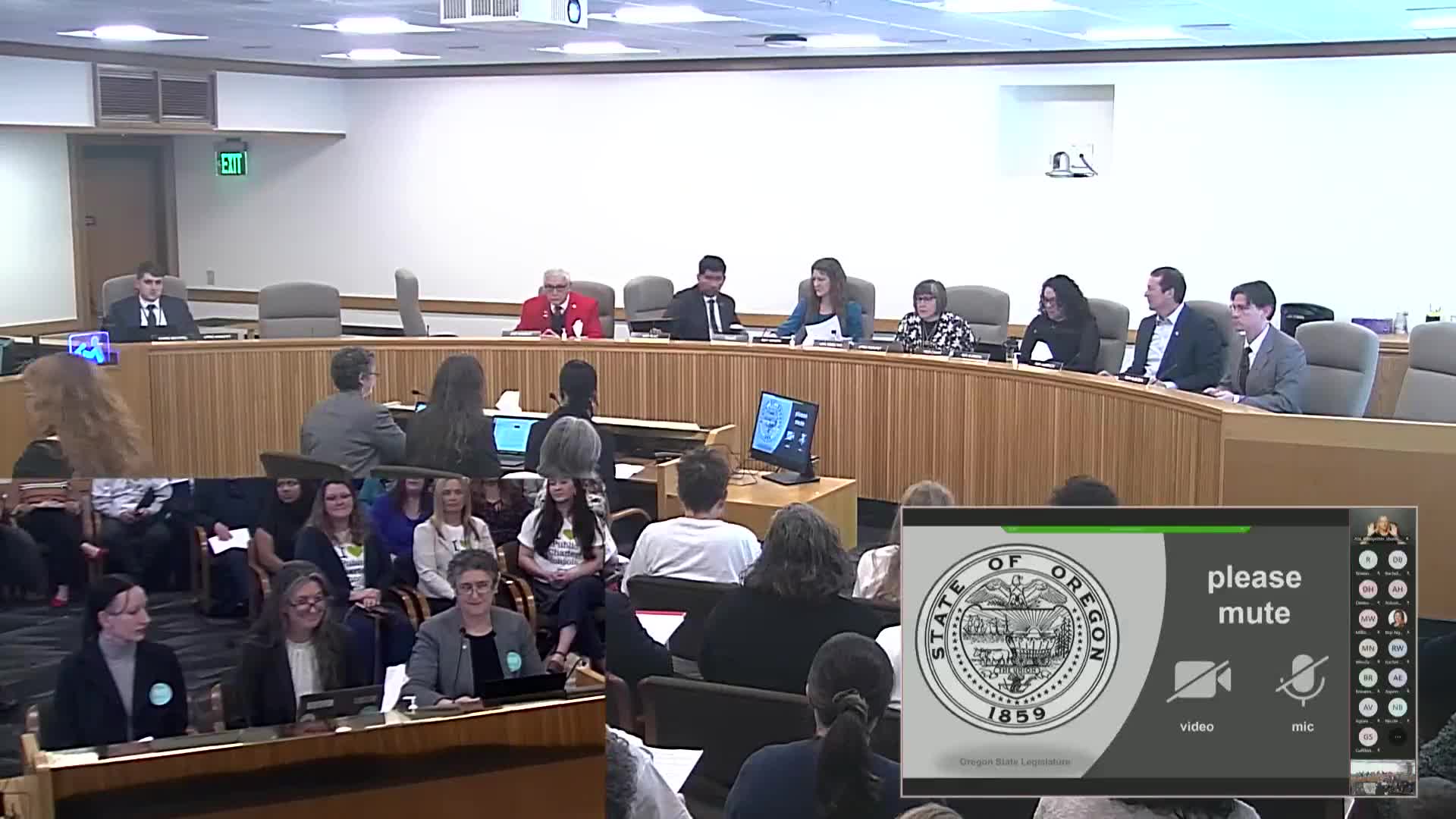
House Education committee hears hours of testimony on bill to add climate education to state standards
Summary
Representative Lisa Bridal, the bill sponsor, told the House Education Committee she was “in strong support of House Bill 3,365,” describing it as a change that would add climate science education goals and objectives to the Oregon Department of Education’s regular updates of academic content standards.
Representative Lisa Bridal, the bill sponsor, told the House Education Committee she was “in strong support of House Bill 3,365,” describing it as a change that would add climate science education goals and objectives to the Oregon Department of Education’s regular updates of academic content standards.
The bill would authorize—and not mandate—integration of “climate and sustainability standards as appropriate for each grade level and subject area” through the existing standards review process run by the Oregon Department of Education (ODE). Bridal told the committee that the integration would follow the state’s normal content-standard adoption cycle, which reviews each subject on a seven-year rotation.
Why it matters: Proponents said students already experience climate impacts in Oregon—wildfires, drought, shifting ocean conditions—and that age-appropriate, place-based instruction across science, social studies, math, technical education and the arts can improve literacy, civic engagement and workforce readiness. “The bill is not about adding new burdens to teachers or forcing a one-size-fits-all curriculum,” said Sarah Kirby, a secondary teacher and founding member of Oregon Educators for Climate Education. “It's about integrating regionally relevant, age-appropriate learning opportunities.”
Supporters produced a long line of mostly young speakers and educators who described gaps in current instruction and urged the committee to pass the bill. Student and teacher witnesses described mental-health and civic arguments for instruction on climate impacts and resilience—testimony that included a former high-school student who described having been taught little about climate change until later in life and a therapist who said age-appropriate knowledge can protect youth mental health.
Opposition and concerns: The Oregon School Boards Association and COSA registered formal opposition, not to the subject matter, but to the bill’s scope and funding implications. Adrienne Anderson of OSBA said, “we are opposed to this bill … it is an unfunded mandate,” arguing the measure would require professional development and curricular updates across many subject areas. Morgan Allen of COSA likewise said the bill’s cross-subject mandate raised implementation and cost concerns and noted that “2022 Oregon science standards do include climate change.” Both opponents urged the committee to avoid imposing statewide requirements without accompanying resources.
Amendment and process notes: Committee staff and the sponsor pointed to a dash-2 amendment posted on OLIS that, according to proponents, narrows or clarifies language they believed was initially too specific. Proponents repeatedly said HB 3,365 would not require districts to adopt a single curriculum; instead it would allow climate-related goals and objectives to be integrated where appropriate during ODE’s existing standards-adoption work.
Next steps and public engagement: The committee kept its public record open for written testimony and indicated it planned additional question time for panels. Chair Neron told speakers who were shortened to upload full remarks to the written record.
Ending: The committee closed the hearing on HB 3,365 after extensive public testimony and moved on to other bills on the agenda.