Get Full Government Meeting Transcripts, Videos, & Alerts Forever!
Get email alerts on the Condo Liability Reform topic
No spam. Unsubscribe anytime.
House committee hears divided testimony on HB 3746, a proposal to reform condominium construction-defect liability
Summary
House Bill 3746 would reduce the developer liability period for construction defects and add inspection and voting requirements; the committee heard extensive support and opposition at a March 12 public hearing.
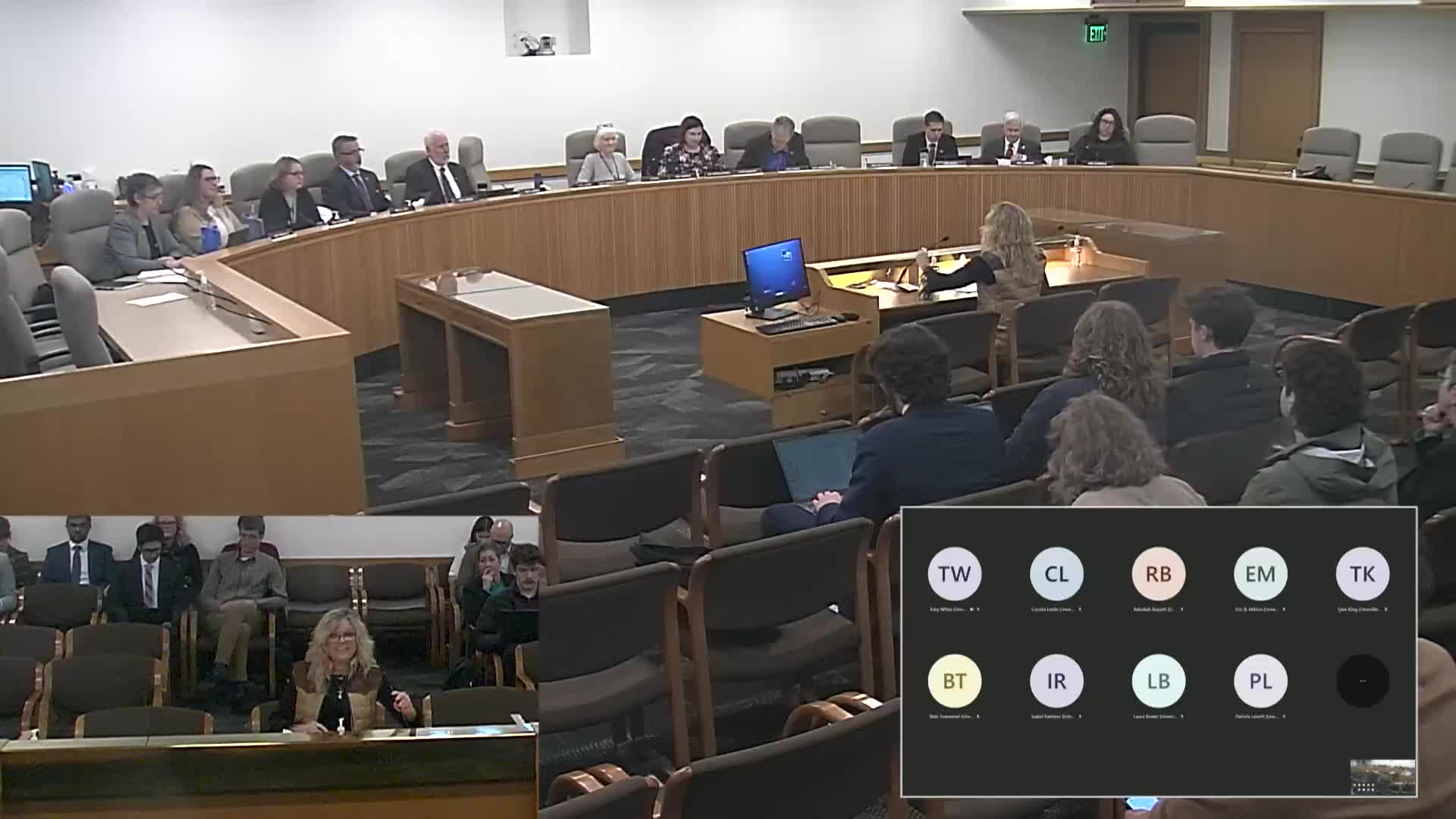
The House Committee on Housing and Homelessness heard extensive, sometimes sharply divided, testimony on House Bill 3746 on March 12. Sponsors said the measure is intended to revive condominium production—an entry path to homeownership that has largely vanished in Oregon—by reducing developer liability risk and adding inspection requirements. Opponents warned that shortening the statute of ultimate repose could leave homeowners without remedies for latent defects that emerge after several years.
Representative Vicki Breece Iverson introduced the bill and described its history: past efforts in 2019 and 2020 to reform construction-defect laws aimed at increasing condo construction. Senator Mark Meek, a co-sponsor, told the committee that condo starts in Oregon have collapsed since 2006 and that the state needs targeted changes to make condominium development viable again. "Condos are often the most affordable pathway to home ownership," Meek said, adding that Oregon's current liability framework has discouraged developers and insurers.
Key provisions described by sponsors include reducing the maximum developer liability period for construction defects from 10 years to six years (with a one-year extension in limited circumstances for late discovery), creating a right for developers to cure defects to avoid litigation, requiring mandatory independent envelope and moisture-intrusion inspections during construction and before certain milestones, and requiring a majority of unit owners to approve association litigation on defect claims.
Supporters at the hearing included Habitat for Humanity of Oregon, builders and affordable housing developers who said insurance markets and liability risk have suppressed condo production and that reforms in other states correlated with increases in condo starts. Builders and developers asked for carve-outs for very small projects (three- to four-unit developments) where inspection and administrative burdens can be disproportionately costly.
Opponents included the Community Association Institute (CAI), the Oregon Builder Lawyers Association, and some condominium manager and owner representatives. Those witnesses argued the 10-year repose exists because certain latent defects—water intrusion, mold, and improperly installed systems—may not be apparent until well after six years. Blair Townsend of the Oregon Builders Lawyers Association said defects involving moisture intrusion and mold can take seven to nine years to surface and that shortening the statute of repose risks leaving homeowners without recourse.
Witnesses also debated inspection details and who would pay for recurring or follow-up inspections. Some proponents favored inspections at roughly two years and again before year five to detect and address problems earlier; opponents and association managers expressed concern that inspection costs would fall to unit owners or small HOAs and that the bill as drafted was not sufficiently prescriptive about inspection standards and qualified inspectors.
Committee members were told an amendment is forthcoming; sponsors said they continue to work with stakeholders in a standing work group and expected more detailed language to address concerns about inspections, voting thresholds for associations, and protections for homeowners. The committee closed the public hearing and indicated further hearings would follow when amended language is available. The written record remains open for additional comments.