Get Full Government Meeting Transcripts, Videos, & Alerts Forever!
Get email alerts on the Legislative Research Confidentiality topic
No spam. Unsubscribe anytime.
Legislative research office seeks confidentiality protections; committee hears divided testimony
Summary
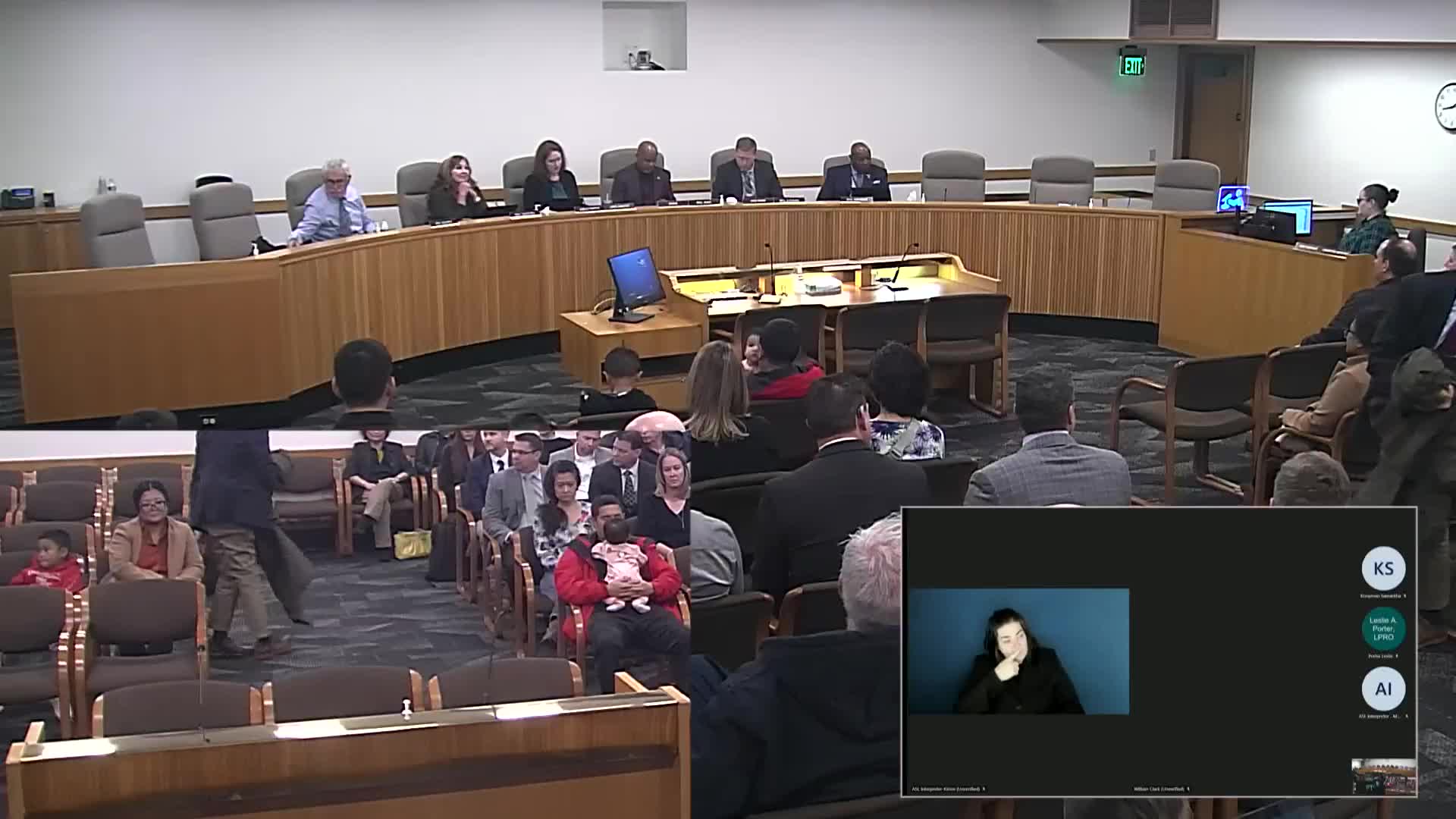
The Senate Committee on Rules held a public hearing on Senate Bill 555 about confidentiality for research data collected by the Legislative Policy and Research Office.
The Senate Committee on Rules held a public hearing on Senate Bill 555, a proposal to allow the Legislative Policy and Research Office (LPRO) to maintain confidentiality for unpublished personally identifiable information gathered during legislative research.
LPRO director Misty Mason Freeman told the committee, "LPRO does not have the ability to safeguard unpublished personally identifiable information that's gathered in response to a research inquiry." Freeman said that limitation reduces LPRO's ability to collect certain types of field data and could undermine public trust in the office's research. Oliver Droppers, LPRO deputy director for policy research, described the office's growing workload: since 2021 LPRO has staffed task forces and produced primary data when needed, and "about 90% of the information that we utilize in responding to research requests from members is publicly available," with roughly 10% coming from surveys or interviews.
LPRO said SB 555 would accomplish two objectives: authorize statutory protections for research data collected or used by LPRO, and ensure the data are used in ways participants expect. LPRO cited examples where primary data collection has been valuable, including surveys of firefighter recruitment and specialty court stakeholders and interviews used by task forces.
Opponents urged a narrower approach. Tom Holt of the Society of Professional Journalists said, "It's a very sweeping bill to put a blanket of secrecy over the work of LPRO," and asked the committee to tailor protections narrowly for situations such as survey respondent identities. Paloma Sparks of Oregon Business & Industry told the committee the bill was "way overbroad" and said it could allow individual legislators to veto disclosure of records and weaken public-records norms under ORS chapter 192.
Committee members asked clarifying questions and several expressed support for refining rather than rejecting the concept. Senator Cynthia Thatcher asked for more targeted, "scalpel" language instead of a broad blanket, and LPRO representatives indicated they were open to amendments that preserved transparency while permitting de-identification and limited confidentiality where necessary. LPRO requested statutory authority to allow participants to choose whether their information is disclosed and to permit LPRO to keep personally identifiable data confidential when appropriate.
Why it matters: LPRO staff said tighter protections would allow the office to collect qualitative data that are not otherwise available, improving legislative research. Opponents warned the bill could limit public scrutiny of research that informs policy and advocated using existing public-records exemptions or narrowly drawn confidentiality rules instead.
Next steps: The committee closed the public hearing on SB 555 and moved to other items; no committee vote on SB 555 was recorded in the transcript. Testimony indicated stakeholders expect to continue negotiations on narrower language.