Get Full Government Meeting Transcripts, Videos, & Alerts Forever!
Get email alerts on the Memorials topic
No spam. Unsubscribe anytime.
Senate panel hears memorial for longtime disability advocate Ruth McKeown
Summary
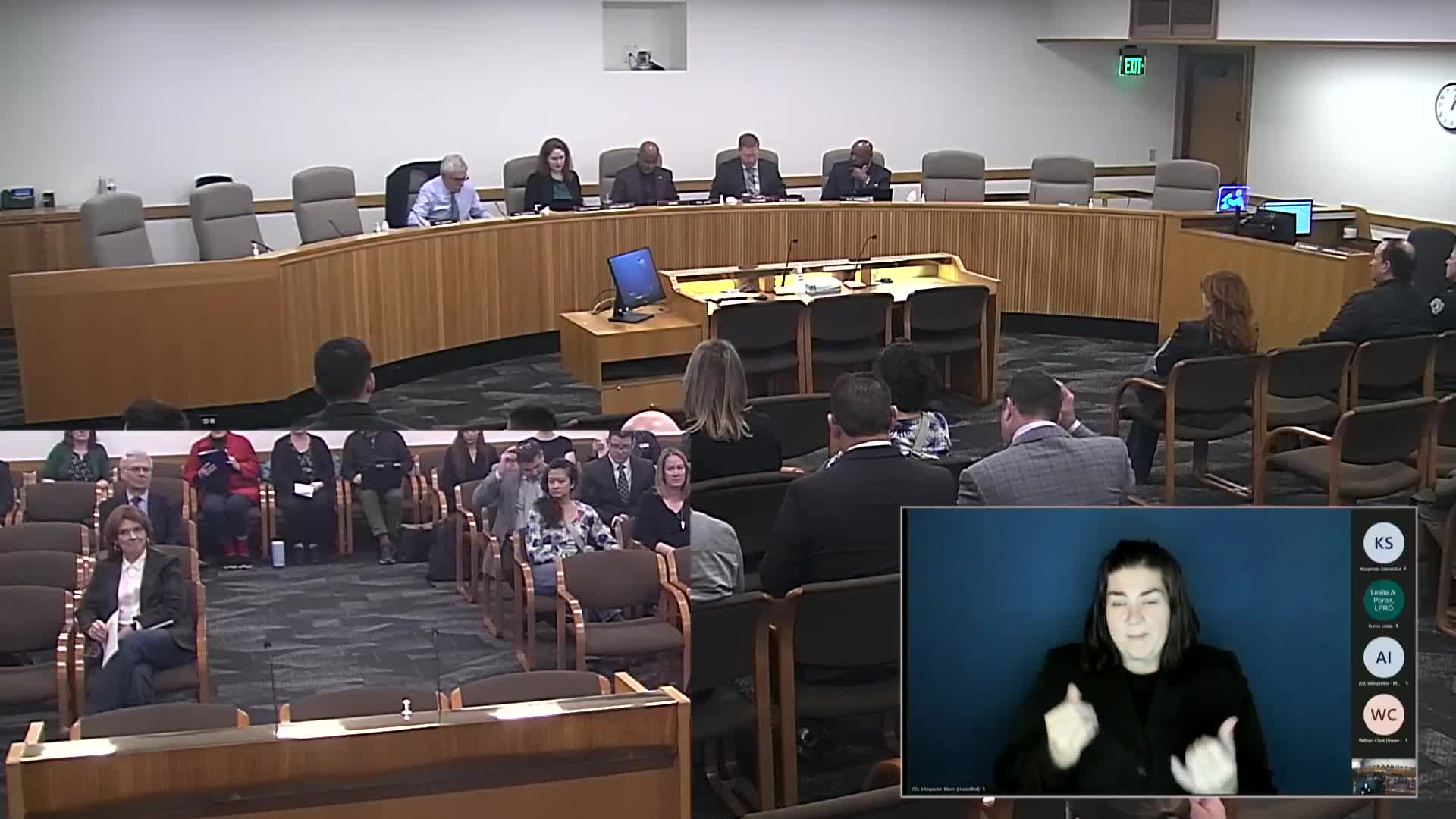
The Senate Committee on Rules held a public hearing on SCR 25, a concurrent resolution honoring Ruth McKeown for decades of advocacy on behalf of older adults and people with disabilities; supporters described her role shaping Oregon home- and community-based services and mentoring advocates.
The Senate Committee on Rules opened a public hearing on Senate Concurrent Resolution 25 on March 12 to honor Ruth McKeown for her longtime work on behalf of older adults and people with disabilities.
Supporters told the committee that McKeown used her lived experience as a wheelchair user to influence state programs and policies. "She did not take no for an answer. She has been up and down the halls many a time. She was tireless in her efforts," said Nicole Palmaterre, an advocate testifying on behalf of the Oregon Association of Area Agencies on Aging and Disabilities. Advocate Judy Richards described McKeown as a mentor who "had a heart and passion for helping and finding ways to create better programs."
Officials from the Oregon Department of Human Services and the Oregon Home Care Commission also testified in support. "She helped the department apply for and receive the first comprehensive 1915 ks Medicaid plan in the nation," said Jenny Coakley, executive director of the Oregon Home Care Commission, adding that McKeown chaired the Home Care Commission and left a lasting mark on home and community-based services. Coakley said the Department of Human Services and the commission supported passage of SCR 25.
The proponents stressed McKeown's role as both a policy advocate and mentor. Dr. Angela Carlhead, who served with McKeown on the senior advisory council, said McKeown "has been a mentor to so many people" and urged the committee to adopt the resolution so McKeown's work can continue to inspire future advocates.
Committee staff closed the public hearing after the testimony and moved to the next measure. No formal committee vote on SCR 25 was recorded during the hearing.
Why it matters: Witnesses said McKeown's advocacy influenced Medicaid long-term services and supports, local and statewide advisory committees, and the state's approach to person-centered supports. The resolution is a ceremonial recognition that committee members and executive-branch staff described as appropriate to acknowledge her public service.
Questions or next steps: Testimony closed with committee members thanking witnesses and noting the memorial would proceed through the committee process. The hearing record shows supportive testimony from disability advocates, state agency representatives and former colleagues.