Get Full Government Meeting Transcripts, Videos, & Alerts Forever!
Get email alerts on the Workforce Eligibility topic
No spam. Unsubscribe anytime.
Panel considers broadening eligibility for law enforcement and prosecutorial positions to those authorized to work in U.S.
Summary
A bill would replace references to lawful permanent residents and DACA recipients with a broader standard—'individuals legally authorized to work in the United States'—allowing more immigration statuses to qualify for positions including peace officers, fish and wildlife officers, civil service firefighters and deputy prosecuting attorneys.
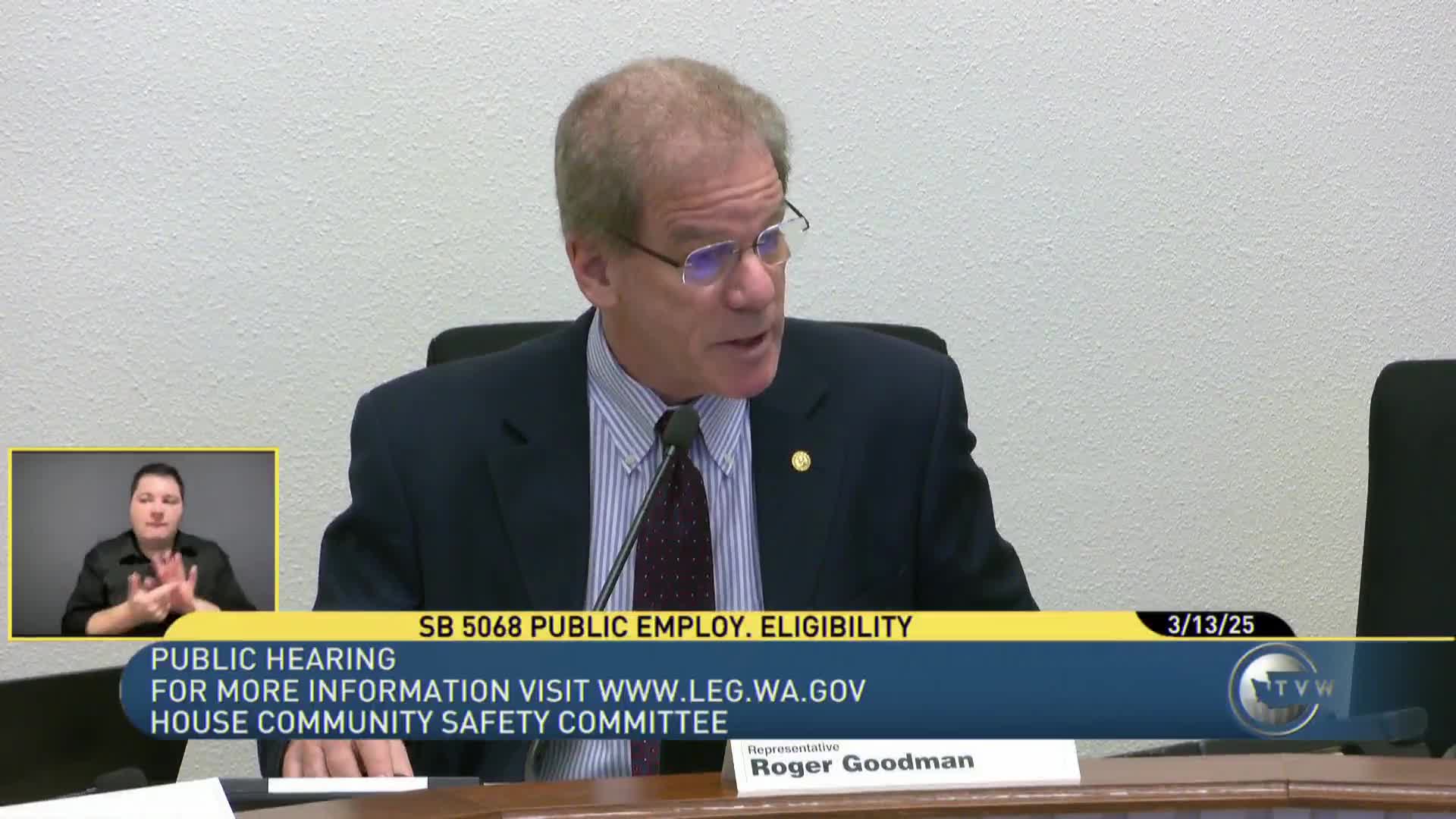
Senate Bill 50-68 would change statutory eligibility for several public-safety occupations by replacing references to specific immigration statuses with the broader standard “individuals legally authorized to work in the United States.” The committee heard testimony from the bill sponsor, criminal-justice stakeholders and prosecutors’ offices.
“Those of you who've been around for a while may remember…green card holders to work as a law enforcement officer in this state,” James McMahon of the Association of Sheriffs and Police Chiefs said in support of the bill. “If you can lawfully be employed in the United States, you can apply, so long as you meet all of the other existing standards.”
Senator John Lubbock, sponsor, said the change is intended to expand the pool of applicants for public-safety roles at a time local agencies report recruiting challenges. “We need a bigger pool of qualified applicants so law enforcement agencies can fill their open positions,” Lubbock said. He noted new regional training academies and the need to maintain staffing.
Christina Miyamasu, chief deputy of criminal operations for the King County Prosecutor’s Office, testified the change would allow Washington-licensed attorneys who are legally authorized to work but are not U.S. citizens or lawful permanent residents—including some DACA and visa holders—to serve as deputy prosecuting attorneys. “There are Washington State Bar admitted immigrant attorneys who want to serve their communities as prosecutors and are currently barred from doing so because of this law,” Miyamasu said.
James McMahon proposed three technical amendments: clarifying treatment of short-term work visas, fixing a firearms-eligibility provision tied to certification at the Criminal Justice Training Commission, and stylistic language cleanups. Committee members asked about background checks, civil-service hiring lists and whether the bill would affect hiring preference for U.S. citizens; witnesses explained civil-service systems and screening procedures are objective and would still apply.
No formal action or vote was taken; the committee heard pro and clarifying testimony and signaled follow-up on technical language and background-check details.