Get Full Government Meeting Transcripts, Videos, & Alerts Forever!
Get email alerts on the Council Procedure topic
No spam. Unsubscribe anytime.
Grand Junction council debates role and transparency of agenda committee
Summary
Councilmembers were split March 3 over whether the mayor/mayor pro tem–led agenda committee should remain the operational way the city sets meeting agendas or be opened/rotated for more transparency; no policy change was adopted and members asked staff to explore options for records or public access.
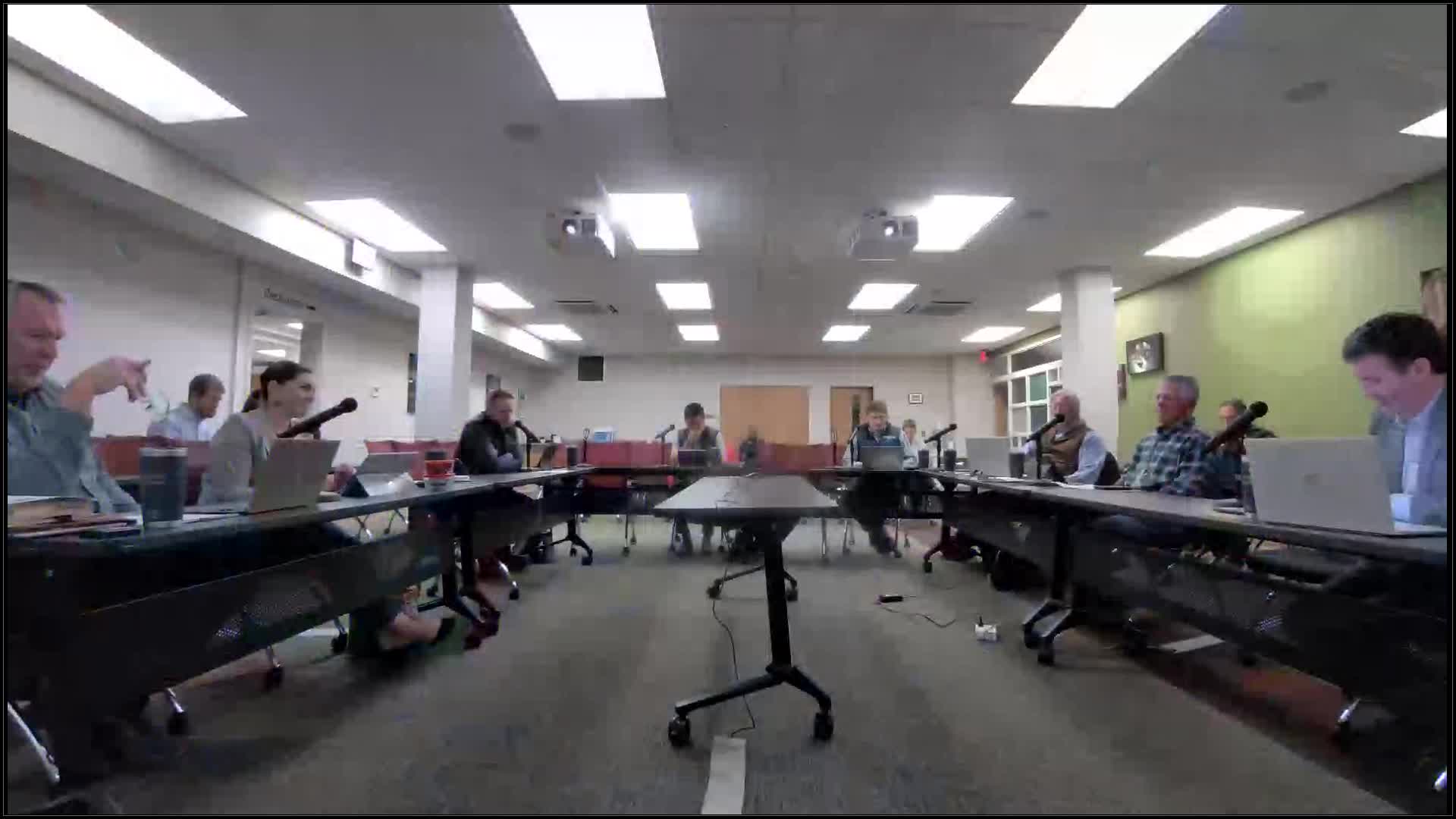
Grand Junction City Council spent a lengthy portion of its March 3 workshop debating the structure, function and transparency of the council’s agenda committee and the role of the mayor and mayor pro tem in setting meeting agendas.
The status quo: Under current practice the mayor, mayor pro tem and staff (city manager and city attorney) meet with designated staff to review and recommend agenda items; council members who serve on the agenda committee participate in those meetings. Supporters said the process increases efficiency and helps staff prepare materials and meet timing and legal requirements.
Calls for change: Several council members said the committee sometimes looks like a “black box” to members who are not part of it and recommended greater transparency. Suggested options included rotating committee membership, recording or transcribing agenda-committee meetings and publishing a short post-meeting summary or “upcoming meetings” document so all council members and the public know what items were discussed.
Positions on the record included: - Supporters of the current practice argued it is staff-driven, efficient and that any councilor retains the right to get an item on the council agenda if they can secure support. One supporter said the committee’s format prevents duplicative or unnecessary meetings and lets staff coordinate legal and scheduling constraints before items come to full council. - Critics said the current structure creates a perception of uneven access and recommended steps to increase openness, including making agenda-committee meetings observable, recorded, or summarized for all council members.
Staff comments and next steps: Staff told council that agenda-setting is staff-driven and depends heavily on legal timing, workload and scheduling constraints. Council asked staff to return with options—practical and resource-sensitive—for increasing transparency (for example, automated notes, short written summaries after each agenda meeting, or recorded sessions that could be transcribed) and to place the larger structural question on the incoming council’s early agenda or strategic-planning discussions.
Outcome: No formal policy change or resolution was adopted. Several members asked staff to prepare options and practical proposals (including feasibility and staff time estimates) for the new council to consider during orientation or early strategic-planning sessions.
Ending: Staff will bring back concrete options for improving transparency (recording, note-taking, and public summaries) and the larger structural question will be left for the incoming council’s early work sessions.