Get Full Government Meeting Transcripts, Videos, & Alerts Forever!
Get email alerts on the Senior Nutrition topic
No spam. Unsubscribe anytime.
Baltimore County highlights senior nutrition programs as National Nutrition Month theme stresses connection
Summary
Baltimore County Department of Aging nutritionist Jessica O'Hara Anderson outlined congregate meal programs, an annual No Senior Eats Alone event, and a farmers market card lottery while noting diet's role in preventing chronic disease.
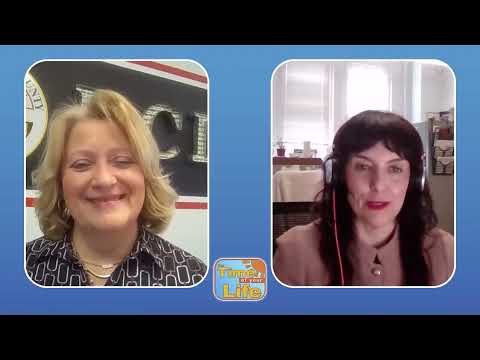
On a recent edition of the Baltimore County program Time of Your Life, Jessica O'Hara Anderson, a nutritionist with the Baltimore County Department of Aging, described the county's nutrition programs for older adults and tied them to the 2025 National Nutrition Month theme, "Food connects us."
Anderson said the programs aim to reduce chronic disease among older residents. "Nutrition is based around chronic disease prevention. And that is my main goal," she said, citing type 2 diabetes, osteoporosis and hypertension as conditions that can be addressed through diet.
The county's everyday congregate-meal program, called Eating Together, is federally funded under the Older Americans Act and is held at senior centers and nutrition sites. Anderson said the meals are "nutritionally balanced" and signed off by a registered dietitian; the program asks for a $4 donation and is available to people age 60 and older, disabled residents and caregivers. Volunteers at site kitchens may receive a meal when they serve, Anderson said.
Baltimore County also runs an annual No Senior Eats Alone event, which Anderson described as a large, celebratory meal open to residents who do not regularly attend a senior center; the program is scheduled in September. The county's farmers market program offers a $50 farmers market card through a yearly lottery, intended to improve access to locally grown produce and support local farmers.
Beyond meals, Anderson said the department provides nutrition education and volunteer training for site-level food safety and kitchen monitoring. She encouraged older adults to read food labels, attend cooking classes for social interaction and to learn about community resources such as SNAP and WIC.
Information and questions about older-adult services are routed through the Maryland Access Point of Baltimore County (MAP) at (410) 887-2594, Anderson said. The episode noted the program can be viewed on Baltimore County government's YouTube channel with open captioning.
The segment also invited viewers to watch for details about No Senior Eats Alone Day in September and for local senior centers' meal schedules.