
Transportation committee says $20 million JTOC transfer will remain in transportation budget
Get AI-powered insights, summaries, and transcripts
Sign Up Free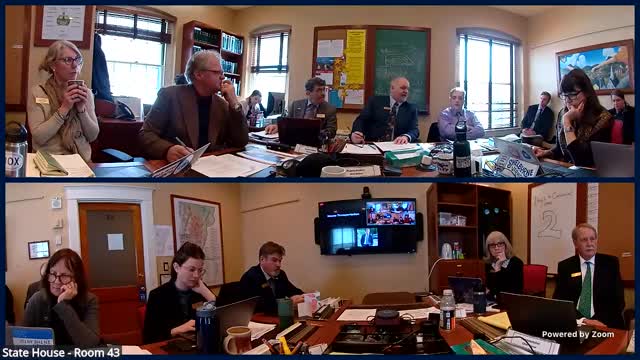
Summary
Committee members reported that the Joint Fiscal Office transfer of $20 million will not be moved out of the transportation fund this year and discussed related T‑bill sections including town highway funding and escalator language.
The Vermont House Transportation Committee met Wednesday, March 13, and members said the Joint Fiscal Office (JFO) transfer of $20,000,000 will remain in the transportation budget for the current year, averting an immediate loss of project funding.
Committee chair Walker opened the session with an update on the committee's T‑bill work and said the House Appropriations Committee agreed not to carry out the JTOC transfer, meaning “the JTOC transfer money is staying in the transportation budget and not going over.”
The decision matters because, committee members said, the $20 million had been the committee’s top budget priority to keep projects moving. Chair Walker and other members described that outcome as the result of sustained negotiation with the JFO and legislative liaisons.
Members also discussed several remaining sections of the T‑bill. Chair Walker said the bill contained about 14 sections originally and several had moved closer to resolution, but some language still needed work, including section 14 (effective dates and cancellation/project language) and section 13. The committee heard that agencies had proposed counterlanguage on some items and that staff expected new drafts from committee counsel and from Damien’s office later in the day.
A central technical issue discussed was the town highway funding escalator for town highway class 2 and town highway structures. Committee members said the goal is to create a permanent escalator so the funding formula “won't fall back ever again” rather than re-litigate the issue each year. Members described outreach from town highway foremen and municipal officials asking the committee to adopt a long‑term fix.
Committee members discussed possible statutory cleanups to remove recurring language that would trigger transfers in future years and asked staff and counsel to confirm whether the current outcome is a one‑time change or requires explicit statutory language to prevent annual transfers. Chair Walker said the committee would get clarification from JFO and committee counsel whether the language that could cause future transfers should be struck from the bill.
Committee members also reviewed broader revenue options being discussed in parallel, including revisiting fuel taxes, a possible retail delivery fee, a mileage‑based user fee, and adjustments to the share of purchase and use tax that flows to education. Chair Walker and members emphasized the competing pressures on the transportation fund, including declines in gas tax revenue and growth in purchase and use tax receipts that are partly directed to education.
No formal votes or motions were recorded in the transcript for this portion of the meeting. Committee staff signaled they expected additional draft language and follow‑up work before the next consideration of the T‑bill.
Looking ahead, members tasked staff to confirm whether the apparent preservation of the $20 million is a one‑time budget decision or whether additional statutory changes are required to prevent recurring transfers, and to circulate revised draft sections for the committee to review.