Get Full Government Meeting Transcripts, Videos, & Alerts Forever!
Get email alerts on the Education Outreach topic
No spam. Unsubscribe anytime.
Marshfield fire prevention program reached nearly 3,500 students in 2024, department says
Summary
Fire department presentation highlighted 2024 outreach: classroom visits, a fire‑growth demo for sixth graders, community events and plans for expanded public engagement.
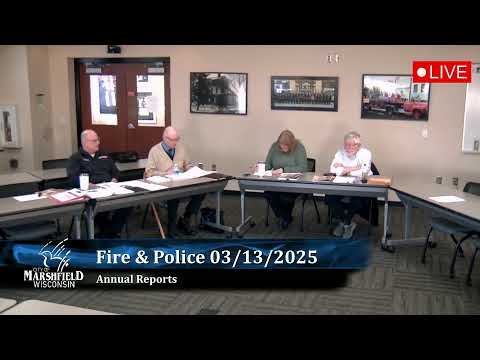
Lieutenant Zachary Miller presented the Marshfield Fire Department’s 2024 fire‑prevention activities to the Police and Fire Commission on March 13, reporting nearly 3,500 students reached across the district through classroom visits and school events.
Miller said the department’s outreach covers kindergarten through sixth grade and was delivered by a nine‑member program team with support from deputy chiefs and other leaders. In 2024 the team ran 36 separate school presentations at eight schools, covering 95 classroom sessions for K–6 students. The program used age‑specific materials, hands‑on activities and a Kahoot review game; Miller said the department delivered a smoke‑alarm and safety message and staged a fire‑growth demonstration for sixth graders.
The department also expanded community engagement at events including Dairy Fest, City Days and the Central Wisconsin State Fair. Miller said volunteers and supporters enabled large‑scale demonstrations and that the department distributed roughly 1,500 helmets at last year’s fall festival. The fire department’s educational equipment — a fire safety truck and an ambulance used for demonstrations — were obtained through donations, he said.
Miller described logistics: each school presentation lasts about 30 minutes, typically requires three department personnel and the program’s schedule extends across two weeks for the annual October Fire Prevention Week. He outlined plans to continue building the program, explore a citizen fire academy and increase partnerships with schools and community groups.
Commissioners praised the program and asked about staffing and continuity; staff said the department coordinates monthly planning meetings and will continue to recruit volunteers and cross‑department support to sustain the outreach.