Get Full Government Meeting Transcripts, Videos, & Alerts Forever!
Get email alerts on the Audit Finance topic
No spam. Unsubscribe anytime.
Marshfield utility commission accepts 2024 audit; auditor flags procurement-policy gap tied to federal grant work
Summary
The commission received an unmodified (clean) financial audit for 2024 from CLA and approved it unanimously. CLA recommended updating procurement policies to reflect federal grant procurement rules after a federally funded safe drinking water project triggered a single-audit review and a minor compliance finding related to vendor screening.
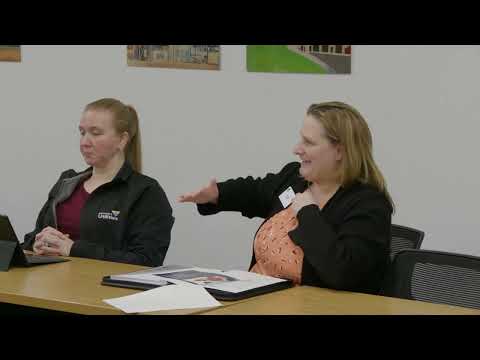
The Marshfield Utility Commission approved the utility's 2024 financial audit after a presentation from Amber with CLA, who said the firm issued an "unmodified" audit opinion and found no material misstatements in the financial statements.
Amber with CLA told the commission the audit included a review of internal controls and that auditors "did not have any material weaknesses" or "significant deficiencies" to report. She described the audit as risk-based and explained the exam covered revenue recognition, estimates such as capital-asset useful lives, pension and post-employment benefit estimates, debt covenant review and new accounting standards affecting the 2024 statements.
The audit presentation included one management recommendation. Amber said CLA found a gap between the utility's written procurement policies and the federal procurement requirements that apply when a project is federally funded. "Our recommendation was we didn't see a lot of the connection between the federal requirements and what's currently written in your policy," she said, and advised updating policy language so future federally funded projects would follow required procurement methods.
Commission staff explained the finding arose after the utility received federal funding through a safe drinking water loan; the dollar amount of federal spending triggered a federal single-audit requirement. Amber reviewed how single-audit testing is selected and reported that when a governmental entity spends more than $750,000 in federal awards in a year, auditors must perform program-level compliance testing and report findings. She also noted Wisconsin's state single-audit rules can be triggered separately when state program spending exceeds $250,000.
Commissioners asked technical questions about investments, accruals, and the distinction between interest recorded on an accrual income statement versus cash interest shown on a statements schedule. Amber walked through several slides showing five-year trends for operating income, rate-of-return figures, and sensitivity of estimates marked as significant (for example, fair-value measurement of investments). She also reviewed upcoming GASB standards (notably references to standards she identified as GASB 102, 103 and 101 in her presentation) that may affect future reporting and the management discussion and analysis (MD&A).
On the single-audit matter, staff said the compliance issue was not material to the grant award but represented a process step the commission should correct. Staff described the specific compliance gap as a missed step in verifying a contractor against the federal "suspended and debarred" list before awarding federally funded work; staff said the firm selected was later confirmed not to be debarred but the documentation step was omitted. Staff and the auditor recommended updating procurement and contract templates to include federal-required clauses and verification steps.
The commission voted to approve the audit. The motion passed with an affirmative vote recorded as "Aye" by those present.
The commission asked that staff follow up on CLA's procurement-policy recommendation and provide a timeline for policy updates so the utility will be ready if it seeks additional federal funds.
Ending: CLA offered to assist staff with policy language and posted resources; Amber said her contact information was included in the presentation materials for follow-up questions.