Get Full Government Meeting Transcripts, Videos, & Alerts Forever!
Get email alerts on the Strategic Planning topic
No spam. Unsubscribe anytime.
Clatsop County begins strategic‑planning series, agrees to probe Arch Cape incorporation feasibility
Summary
County commissioners opened an annual strategic‑planning review and discussed commissioning a roughly $100,000 feasibility study to test whether Arch Cape could incorporate as a city; managers will return with a funding recommendation and ask the Arch Cape community for a financial contribution.
Clatsop County commissioners used a January work session to begin their annual strategic‑planning review, and spent the bulk of the discussion on an Arch Cape incorporation feasibility study that county staff say could cost roughly $100,000.
The study would be a two‑phase effort: a phase 1 feasibility analysis — the contract being negotiated by the Arch Cape community club with consultant Eco Northwest — to identify boundaries, service levels and the financial inputs for a proposed city; and a smaller phase 2 “statement of economic feasibility” if the community chooses to move toward a ballot referral. County staff said phase 1 was estimated at “just over a hundred thousand dollars” and phase 2 at roughly $13,000.
County Manager (staff) told commissioners the county would not be the contract holder for the Eco Northwest scope; instead the community club would contract and the county would pay invoices up to an agreed amount and reserve the right to require invoices and accountability documents. The manager said he would follow up with the Arch Cape community club and return to the board with options for how much county funding, if any, to commit and whether the club could make an initial contribution to demonstrate community buy‑in.
Commissioners and staff framed the study as a long, organizationally intensive project that would require multiple county departments — sheriff, planning, GIS, public works and county counsel — and could culminate in a local election if Arch Cape’s residents chose to proceed. Commissioners stressed two core feasibility questions that would shape costs and services: where the municipal boundary would be drawn and what permanent tax rate would be required to support the service levels residents want. Several commissioners said they would expect at least a modest financial contribution from Arch Cape before the county committed its staff time or funds, and staff agreed to ask the community club about an initial payment to show local commitment.
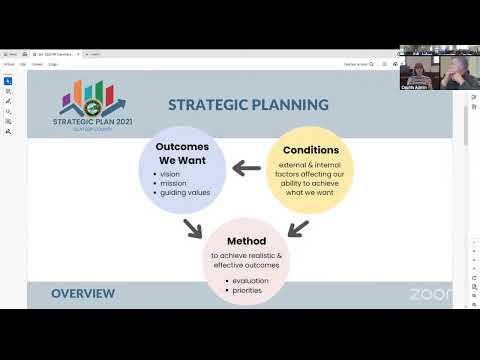
Beyond Arch Cape, commissioners used the planning session to review the county’s priority framework and to discuss topics they want elevated in the coming year: emergency management and climate‑resilience planning, improved collaboration with cities on evacuation and staging, water‑district infrastructure support, pediatric and youth mental‑health navigation services, and continued attention to long‑running projects such as levees and economic development efforts. Commissioner comments ranged from urging a narrow focus on items the county can control during a tight budget environment to calls for adding a long‑range climate‑resilience element that ties emergency preparedness, land use and sea‑level/flood planning together.
The manager and staff said the annual planning step will inform the county’s fiscal priorities and intergovernmental requests; they will return with a more developed work plan and with follow‑up on Arch Cape funding options and any negotiated agreement with the community club.