Get Full Government Meeting Transcripts, Videos, & Alerts Forever!
Get email alerts on the Academic Advising topic
No spam. Unsubscribe anytime.
Academic advisers raise concerns about advising model changes, remote work restrictions and student privacy
Summary
An NEIU academic advisor told trustees that proposed changes to advising and limits on remote work risk reducing access for vulnerable students and may create FERPA/privacy issues when advisors lack private workspaces.
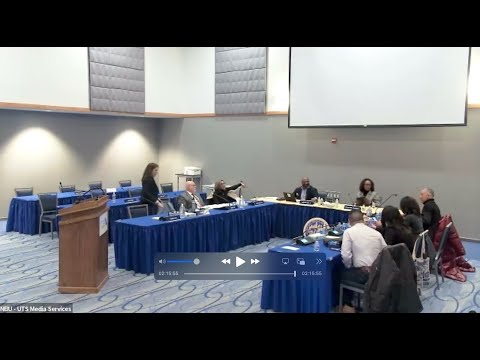
Shane McClure, an academic advisor at Northeastern who identifies with they/them pronouns, used public comment on Feb. 13 to raise concerns about recent and proposed changes to the university’s academic advising model.
McClure said advising had been identified in the university’s strategic planning as a priority to close equity gaps and to implement a universal advising model; advisors were told their input would be incorporated. McClure said that, despite that promise, some changes have been made or proposed without adviser input and without data support. They cited denied ADA-related remote-work accommodations in December 2024 with the explanation given as “in the best interest of the business” but without data to justify the denials.
McClure provided internal data from Oct. 24 through Jan. 26 showing that over half of their advising appointments during that registration period were virtual and said many students prefer remote appointments. They also warned of FERPA and privacy concerns for students who discuss safety or immigration status when advisors lack private office space and are required to work in non-private environments.
McClure asked trustees to consider advisors’ experience and cautioned that limiting remote work could undermine the university’s ability to serve vulnerable students. The board acknowledged the comment; administration later discussed moving to a more centralized “one-stop” model and increasing recruitment support for graduate students as part of broader enrollment and service redesigns.
Ending
The advisor’s testimony framed remote-work and privacy issues as access concerns for students who prefer or require virtual advising. Trustees signaled interest in receiving more information as enrollment/retention strategies and advising redesigns proceed.