Get Full Government Meeting Transcripts, Videos, & Alerts Forever!
Get email alerts on the Zoning Amendments topic
No spam. Unsubscribe anytime.
Public hearings on zoning amendments draw divided views on 5‑acre rule, infrastructure and solar farm language
Summary
Coffee County held a public hearing on proposed amendments to its zoning resolution covering rural minimums and proposed solar farm language; speakers were sharply divided over infrastructure, property rights and protection of agriculture.
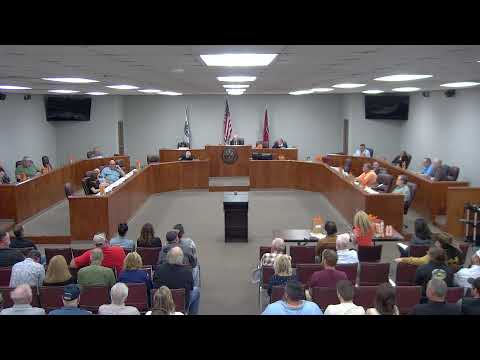
Coffee County held a public hearing on proposed amendments to the county zoning resolution that included changes to minimum‑lot requirements in rural (A1) areas and separately addressed proposed language for solar farms. The hearing is required under Tennessee law before any zoning resolution amendments can be adopted.
Speakers who opposed aspects of the proposed amendments warned the changes carry broad consequences. Nicholas Northcutt, who identified himself as a surveyor with Northcutt Surveying, told commissioners the restrictions in the proposal have “long reaching implications” and urged commissioners to consider those effects on farmers, developers and other county residents.
A number of property owners and local professionals asked for more study and coordination with infrastructure providers. A speaker identifying himself as Mr. Miller, who said he has worked in real estate and property development for decades, urged commissioners to involve the county water authority and the highway department before adopting amendments, saying water pressure and narrow roads are pressing local problems that should be considered alongside zoning.
Other commenters supported the amendments as a means to protect agriculture and rural character. Ken Delaney said the amendments “reinforce the agricultural use of the land as opposed to major subdivisions.” Christie Brown, a former agriculture teacher and a realtor, also voiced support and asked the commission to protect agricultural ground from subdivision and dense development.
Debate during public comment repeatedly returned to a so‑called “five‑acre” question. Supporters said the provision would require additional review for major subdivisions that use interior roads and would increase public notice and transparency; opponents called for more study and warned of unintended consequences for property owners and infrastructure needs. One speaker urged commissioners to direct the planning commission and county departments — including the water board and highway department — to work together before the county adopts any minimum‑lot changes.
A separate agenda item adopting solar farm language in the zoning resolution was presented to the public; no members of the public spoke on that item during the hearing. The presiding official said the proposed solar language was prepared by County Technical Assistance Service attorneys and described it as professionally drafted; again, no vote or adoption was recorded during this hearing segment.
Speakers also offered local economic context: one commenter said agriculture is a major industry in the county and highlighted employment numbers and output estimates cited from a University of Tennessee study. Those figures were presented by a speaker during public comment and attributed to that speaker rather than independently verified in the hearing record.
The presiding official closed the public hearing with no recorded action. Any amendments would require formal consideration and vote by the full board of county commissioners in a later meeting, and several speakers asked that commissioners allow additional study and coordination with county infrastructure providers before taking final action.