Get Full Government Meeting Transcripts, Videos, & Alerts Forever!
Senate Bill 54 amended to narrow emergency vaccine mandates, set pharmacist refusal limits and cap quarantine at 21 days; moves to full committee
Summary
The Medical Affairs Subcommittee voted to send Senate Bill 54 to full committee after adopting five amendments that limit when pharmacists can be compelled to fill prescriptions during emergencies, clarify the childhood immunization schedule, narrow the governor's emergency-declaration language, and set a 21-day release rule for asymptomatic quarantine.
The Medical Affairs Subcommittee voted to send Senate Bill 54 to the full committee after adopting five amendments that narrow the Department of Public Health's authority to mandate certain vaccines, set limits on when pharmacists may be required to fill prescriptions during a declared public-health emergency, and set a 21-day release rule for asymptomatic quarantine.
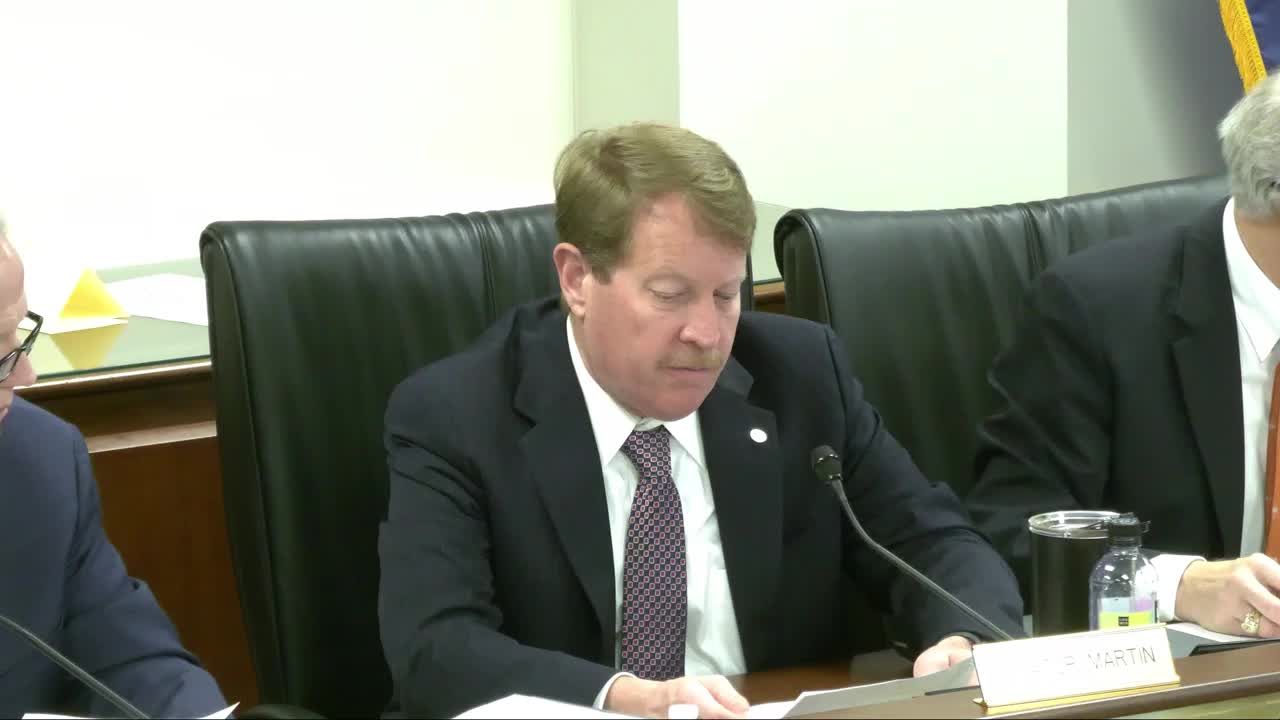
The chairman of the Medical Affairs Subcommittee said Amendment 1 removes the term "novel vaccine" and clarifies the bill does not alter the Department of Public Health's existing childhood immunization schedule. "The term novel vaccine was dropped in response to the concerns brought up during subcommittee meetings last year that the flu shot would be considered a novel vaccine," the Committee chairman said.
The nut graf: supporters said the changes address concerns raised by pediatricians and pharmacists during prior testimony, while opponents warned some wording could limit officials' ability to respond to unusual outbreaks. The committee adopted amendments on the floor and moved the bill to the full committee for further consideration.
Amendment highlights and debate
Amendment 1: childhood-immunization language The committee adopted Amendment 1 to strike the phrase "novel vaccine" and to clarify an exemption for vaccines that change annually (for example, seasonal influenza variants). The chairman said the change was intended to ensure the Department of Public Health can keep its current childhood vaccination schedule and still assess risk and benefit before mandating a newly developed vaccine.
Amendment 2: pharmacist refusal during emergencies Amendment 2 addresses when a pharmacist may refuse to fill or refill a prescription. The amendment preserves a pharmacist's right to refuse in non-emergency circumstances but narrows the exception during a declared public-health emergency: a pharmacist may not deny a prescription for the off-label use of any drug approved by the Food and Drug Administration…
Already have an account? Log in
Subscribe to keep reading
Unlock the rest of this article — and every article on Citizen Portal.
- Unlimited articles
- AI-powered breakdowns of topics, speakers, decisions, and budgets
- Instant alerts when your location has a new meeting
- Follow topics and more locations
- 1,000 AI Insights / month, plus AI Chat