Get Full Government Meeting Transcripts, Videos, & Alerts Forever!
Get email alerts on the Homelessness‑and‑public‑policy topic
No spam. Unsubscribe anytime.
Morgantown residents tell Monongalia commissioners state camping ban could shift jail costs to county
Summary
Two public commenters told the Monongalia County Commission on March 12 that a proposed West Virginia state camping ban could force county taxpayers to pay jail costs for people cited or incarcerated under that law and warned local shelters are at capacity.
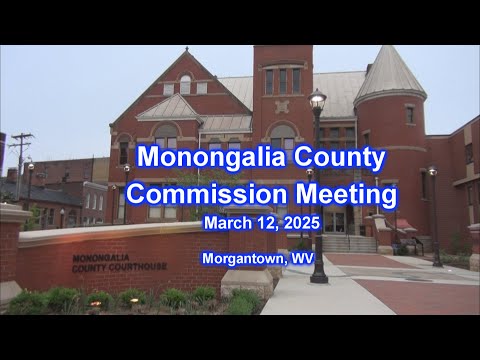
Two Morgantown residents told the Monongalia County Commission on March 12 that a proposed West Virginia state camping ban is likely to shift incarceration costs to the county and to increase homelessness-related needs locally.
Lindsay Jacobs, who said she lives in Morgantown and works with Mountain State Justice, told commissioners the county is likely to pay for jail time if the state adopts a camping ban. Jacobs cited West Virginia Code section 15A‑3‑16 (funds for operations of jails under the jurisdiction of the commissioner) and said a policy analyst at the West Virginia Center on Budget and Policy, Sarah Whitaker, had helped estimate county fiscal exposure, though Jacobs said an exact figure was not available.
"The county is going to incur costs when the state's — when and if the state's camping ban goes into place," Jacobs said. "If the city doesn't have a camping ban come April, then you all would pay for all of the jail costs for somebody who ends up being incarcerated under the state's camping ban. If the city ends up having a camping ban ... the city would pay for the first five days of that incarceration, but then you are gonna pick up the tab for any amount of incarceration that happens after those first five days." (Paraphrased from public comment.)
Leslie Wilbur, who identified herself with Mountain View Manor and Dorsey and said she volunteers at the warming shelter and day center, told commissioners the county's shelters are full and will have fewer beds when the warming shelter closes. "We are losing 30 beds come Saturday when the warming shelter closes," Wilbur said, adding that she and other volunteers have been asked to prepare people for rough sleeping because the shelter is full.
Both speakers urged county officials to avoid spending county funds on incarceration and instead continue funding services that keep people sheltered. Jacobs offered to connect commissioners with the West Virginia Center on Budget and Policy for further cost estimates.
The commission received the comments during the public comment portion of the March 12 meeting and took no immediate action on the camping ban itself; commissioners did not introduce or vote on any local ordinance related to camping during the session.
Ending: Commissioners acknowledged the comments and moved on to a proclamation and other agenda items; commissioners scheduled upcoming budget hearings and grant reviews for the weeks ahead.