Get Full Government Meeting Transcripts, Videos, & Alerts Forever!
Get email alerts on the Health Workforce topic
No spam. Unsubscribe anytime.
Anesthesiologist‑assistant licensure bill fails in committee after contested hearing
Summary
House Bill 12‑51 to authorize licensure of anesthesiologist assistants (AAs) was defeated in committee following extensive testimony from supporters seeking to widen anesthesia workforce options and opposition from nurse‑anesthetists who warned of increased costs and limited benefit in Arkansas.
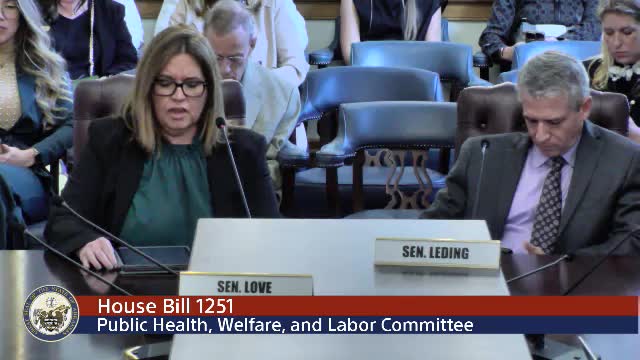
The Public Health, Welfare and Labor Committee declined to advance House Bill 12‑51, a bill that would have established licensure and a scope of practice for anesthesiologist assistants (AAs) in Arkansas.
Representative Lee Johnson introduced the bill and called certified anesthesiologist assistant Jennifer Stever to testify about training and practice. Stever described the AA education model (master’s‑level accredited programs, affiliation with medical schools, clinical rotations of more than 2,000 anesthesia‑specific clinical hours, and ongoing certification requirements) and said AAs work alongside anesthesiologists and certified registered nurse anesthetists (CRNAs) in many jurisdictions. She said licensure would allow Arkansans trained as AAs to return to the state and help address workforce shortfalls in perioperative anesthesia teams.
Opposition testimony came from the Arkansas Association of Nurse Anesthetists and multiple CRNAs and anesthesia business owners. Opponents — including Mark Donovan and Brad Pitts — emphasized differences in background and clinical preparation (CRNAs typically hold a bachelor of science in nursing, multiple years of ICU experience, and doctoral‑level training in anesthesia in Arkansas’ programs) and said the AA model adds a master‑level provider who must be medically directed by anesthesiologists. Opponents argued that the bill would increase anesthesia costs for hospitals and patients, add regulatory burdens, increase fraud and compliance risk in a medical‑direction model, and provide limited workforce benefit because most AA positions would concentrate in urban centers rather than expanding rural access.
Committee members questioned supervision, on‑site availability of supervising anesthesiologists, and whether AAs would practice in ambulatory settings or only in perioperative suites. Supporters said AAs always practice under an anesthesiologist who is immediately available and that AAs work in surgery suites, obstetrics, and other monitored settings. Opponents countered that a medical‑direction model requiring on‑site availability of a supervising anesthesiologist is uncommon in many Arkansas settings and that licenses and new provider types would increase administrative and subsidy costs for hospitals.
After debate the committee took a roll‑call on HB 12‑51 and the bill failed to receive the votes necessary to advance. The transcript shows members calling votes individually; the chair announced the bill did not pass and the committee adjourned. The transcript records requests for fiscal impact statements and notes from earlier in the meeting that some bills were held pending fiscal analyses from state agencies.
Why it matters: Supporters framed the bill as an option to shore up anesthesia staffing; opponents said Arkansas already produces CRNAs and that the AA model would increase cost and complexity without meaningfully improving rural access. The committee vote leaves the state’s current practice model unchanged.