Get Full Government Meeting Transcripts, Videos, & Alerts Forever!
Get email alerts on the Housing Safety topic
No spam. Unsubscribe anytime.
Council presses landlord and says inspections, repairs needed before displaced tenants can return after November fire
Summary
Alderman Walker raised resident complaints about management and delays in repairing three properties damaged by a November fire; city staff described outstanding life‑safety and sprinkler work, enforcement tools and the timeline for administrative hearings and inspections.
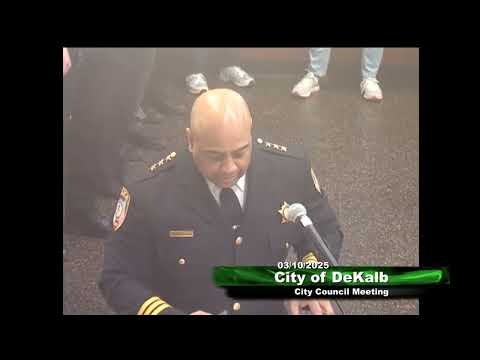
Alderman Walker used the March 10 DeKalb City Council meeting to press city staff about delays in repairs and tenant re‑occupancy at multiple apartment properties affected by a November fire and related infrastructure failures.
"There's this one lie after another lie from the terraces," Walker said during council discussion, recounting residents' complaints that management had not provided consistent information about re‑entry, hotel placements or repairs. Walker said some tenants were commuting from outside DeKalb and remained without clear timelines to return.
City Manager Nicholas and Assistant City Manager Bob Riddell said staff have held repeated meetings with the property owner and managers and that work tied to fire‑life‑safety systems must be completed before the city will allow residents to move back in. "They need to fix their fire doors. They need to fix the lights. They need to fix the alarms," Riddell said. Nicholas said the city would not slow progress but would require contractors to restore sprinkler systems, repair damage and satisfy building‑safety standards before approving re‑occupancy.
Why it matters: Council members said hundreds of units are affected and that delays are causing ongoing hardship for tenants. City staff described the legal and administrative steps available: inspection reports, time for the owner to remedy code violations, fines and administrative hearings if repairs are not completed within the time required by code.
City Attorney and staff said enforcement is governed by property‑maintenance codes and the administrative‑hearing process, which provides legally required cure periods and procedural steps before the city can escalate enforcement. "The law is the playbook for how we're supposed to proceed," the city attorney said, adding that the city has pursued cases against the property owner and is prepared to continue legal action.
Council direction and next steps: Council members asked staff to prepare a public briefing summarizing outstanding violations, inspections and enforcement actions so the council and the public could better track progress. Staff said they would assemble the records, noting earlier that the city has held weekly meetings with the property owner and that certain repairs — notably sprinkler restoration in the basement and correction of other life‑safety issues — are prerequisites to re‑occupancy. Staff also urged residents to file complaints directly with the building department to create the documentation that supports enforcement.
Ending: Council scheduled further updates, and staff said they will continue to press the owner for repairs and pursue administrative remedies where the owner does not comply. A precise timeline for re‑occupancy depends on the owner completing the life‑safety repairs and passing re‑inspection.