Get Full Government Meeting Transcripts, Videos, & Alerts Forever!
Get email alerts on the Fy26 Operating Budget topic
No spam. Unsubscribe anytime.
Committee opens budget hearing as superintendent presents needs-based FY26 proposal; vote deferred
Summary
Superintendent John Antonucci presented a needs-based FY2026 school budget showing a roughly $57 million cost of operations and recommended net request of $53,446,007.23; committee held a statutory budget hearing, debated priorities and deferred final budget vote while planning negotiations with the town.
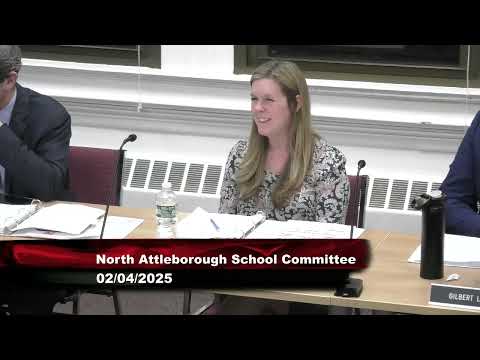
Superintendent John Antonucci presented the district’s recommended FY2026 operating budget at the Feb. 4 school committee budget hearing and asked the committee to use the proposal as a needs-based starting point for negotiations with the town. The committee opened the required public hearing, discussed priorities and agreed to defer a final vote while members and district leaders meet with the town manager.
“This year our kind of main guiding principles…one is to develop and present a needs based budget,” Antonucci said, adding that “a need goes unfunded doesn’t mean the need is going away.” He described the district’s total cost of operations as just over $57 million and said the recommended net budget — after outside revenue offsets such as grants and fees — is $53,446,007.23, a 3.91% increase over FY25 in the materials he presented.
Antonucci noted personnel costs dominate the budget: the salary total is “over $48,000,000” and represents about 84% of the district’s operating costs. He also highlighted special-education spending of roughly $18 million — about 32% of total spending — and flagged facilities, utilities and maintenance (about $4.4 million, including roughly $1.3 million for utilities) as constrained areas that affect sustainability.
The presentation listed more than 20 new positions or program requests the leadership team considered; Antonucci stressed the budget is needs based and that not all requests are likely to be funded. Committee members debated the timing and purpose of presenting a needs-based figure before town negotiations; some members called the request unrealistic while others said the committee must document long-term needs to inform town financial planning.
Committee members and staff raised concerns about federal and state revenue uncertainty. Antonucci said federal entitlement funds such as special-education and Title I were not impacted by a recent short-lived federal freeze referenced in national news but acknowledged the district is monitoring potential changes in federal education funding and any state-level shifts. Members discussed using chapter 70 state aid increases as they become clearer during negotiations with the town.
The committee opened the official statutory budget hearing at the meeting and later closed it by vote; committee members did not vote on a final FY26 operating budget that night and asked staff to prioritize needs and meet with the town manager and council as the next step.
Next steps: the budget subcommittee and district leadership will meet with the town manager for negotiation and prioritization, and the school committee will return to formal votes when revenue and negotiation clarity improve.