Get Full Government Meeting Transcripts, Videos, & Alerts Forever!
Get email alerts on the Public Health Water topic
No spam. Unsubscribe anytime.
Seneca County public health outlines water-sampling program as water-enhancement grant approved
Summary
County public-health officials explained how the newly approved water-enhancement grant will fund regulatory water sampling and a resident sample service; discussion included a lab change and questions about pH readings from a resident.
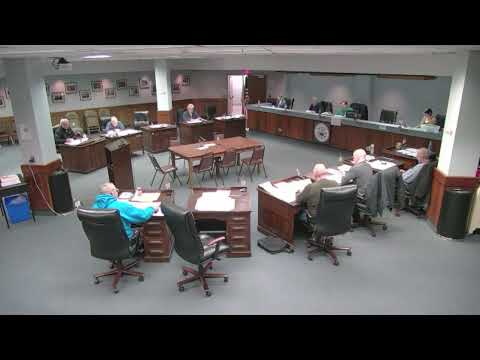
Seneca County accepted a State Department of Health water-enhancement grant at the Feb. 25 Health and Human Services committee meeting, and county public-health staff described how the funds will be used to support required surveillance sampling and a resident water-sample service.
The grant — described in committee remarks as having increased this cycle by nearly 10% — underwrites mandatory surveillance samples taken by the county at regulated facilities and helps pay a portion of staff salary and fringe for the environmental health division, which regulates local water supplies.
Public-health staff described a resident-facing service: residents receive sample bottles and collection instructions from the county, pay the laboratory fee, and the county arranges courier pickup (the county said it is using PACE Labs after its prior laboratory left). The county said it does not mark up resident samples.
A resident in committee raised a water-quality concern and said, “I know the water coming out of my tap is like 3.4. It's the same as lemon juice. You know. Well Acidic.” County staff responded that municipal water supplies monitored by the county are “within tolerance” and that municipal operators run daily chlorine checks and required surveillance sampling; staff offered to have Mary Jump (environmental health staff) follow up with specific pH guidance.
Why it matters: the county regulates its own water supplies (including municipal plants in Waterloo, Seneca Falls and others) and uses grant funding to offset the cost of laboratory tests and field surveillance. The resident service is a frequently used convenience for households that want independent testing.
Details recorded in committee remarks - The county acts as regulator and collects surveillance samples from regulated facilities, ranging from wineries and schools to municipal water supplies. - The county provides sample bottles and instructions to residents; residents pay the lab fee directly and the county arranges courier pickup; the county said it does not increase the fee. - The county reported it now uses PACE Labs for testing after its prior lab ceased service. - County staff said municipal water systems take their own surveillance samples (example: Waterloo takes multiple monthly surveillance samples), and county staff monitor compliance and key parameters.
Next steps: environmental-health staff will continue regulated sampling under the grant, and staff offered to follow up on specific pH or taste-and-odor questions raised by residents.