Get Full Government Meeting Transcripts, Videos, & Alerts Forever!
Get email alerts on the Search And Seizure Exigent Circumstances topic
No spam. Unsubscribe anytime.
Appeals court considers whether emergency aid justified warrantless entry after violent disturbance
Summary
In Commonwealth v. Michelin (23P1322) the panel debated whether police entry into a basement apartment was justified by exigent circumstances/emergency-aid after officers encountered a bloody, unconscious person in a common hallway; the court took the case under advisement.
The Massachusetts Appeals Court heard argument in Commonwealth v. Michelin, docket 23P1322, on whether officers lawfully entered a basement apartment without a warrant after being told there was "a guy laid out" and then observing a seriously injured person in a common hallway.
Attorney Terry Treviakis, representing John Michelin, argued the motion judge properly found officers lacked sufficient exigent circumstances or a valid emergency-aid justification to cross from the common hallway into the apartment and to make a warrantless search. Treviakis emphasized that when officers reached the common hallway they saw someone unconscious and bleeding but "they had no reason to believe that anybody else within the apartment might be in danger," and that officers did not have evidence of inherently dangerous weapons on scene.
Assistant District Attorney Marina Moriarty answered that officers corroborated the initial report by observing movement inside the basement apartment, hearing voices and observing at least two people moving between rooms. Moriarty said officers also observed a serious, bloody scene once in the hallway and that an occupant told officers words to the effect "just leave them here," which she argued supported exigency and the emergency-aid exception. "They just simply wasn't time to freeze the scene from the outside," Moriarty told the panel.
The defense disputed that the entry was necessary to protect officers or potential victims and pointed to the motion judge’s findings (Judge Lang) and argued those findings did not support the Commonwealth’s position. Treviakis also raised concerns about jury unanimity instructions arguing the record presented discrete acts that could have required a specific unanimity instruction.
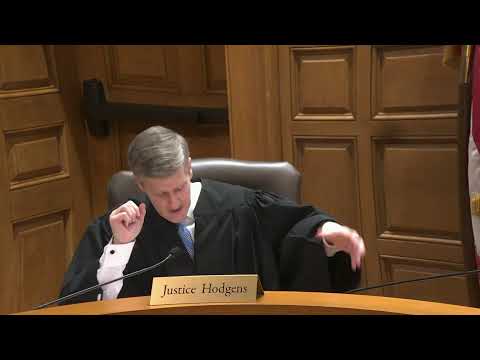
Chief Justice Blake and the other justices questioned the balance between officers’ need for rapid entry to protect life and evidence preservation against the defendant’s Fourth Amendment interests. The panel took the case under advisement.
The argument focused on Fourth Amendment standards for warrantless entries, the contours of the emergency-aid doctrine, and whether the police observations before entry were sufficiently corroborative to justify immediate entry without a warrant.