Get Full Government Meeting Transcripts, Videos, & Alerts Forever!
Get email alerts on the Transit Tax topic
No spam. Unsubscribe anytime.
Mayor criticizes commissioners who reversed stance on transit sales tax; debate continues over rail, bus rapid transit and funding mix
Summary
A public debate flared over Senate Bill 145 (Mecklenburg transit sales tax). Mayor John Higdon publicly rebuked three commissioners who withdrew earlier opposition and said the bill, as currently proposed, would not deliver rail service to Matthews; advocates urged changing the county funding mix (from 40/20/40) to fund both roads and rail.
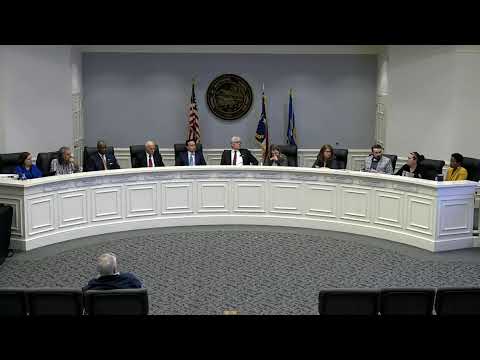
A contentious exchange over the proposed Mecklenburg County transit sales tax (Senate Bill 145) marked the March 10 meeting as Mayor John Higdon publicly rebuked commissioners who said they reversed earlier opposition to the measure.
Higdon said the board’s earlier resolution opposing the county sales‑tax plan reflected the town’s best interests and that three commissioners later told media they no longer opposed the bill or that they would remain neutral on a countywide referendum. The mayor criticized those changes, saying the version of the bill circulating — and the public messaging he had reviewed — did not guarantee a rail line to Matthews and could leave the town paying a higher sales tax without receiving Silver Line rail service.
The meeting also included a public presentation from Garland Green, an advocate who urged an alternative distribution of the proposed 1‑cent sales tax. Green suggested shifting the allocation away from the city’s 40/20/40 proposal (40% roads, 20% buses, 40% rail) to a 45/10/45 model that would allocate more funding to roads and rail while preserving bus funding. He said that change would raise the county‑wide rail funding pool from about $7.8 billion to $8.7 billion under the same overall tax and argued the reallocation is achievable if county leaders and municipalities lobby Raleigh together.
Board members expressed sharply divergent views. Some commissioners said they supported a fuller conversation in Raleigh and wanted to keep options open; other members, including Mayor Higdon, said they would vigorously oppose a county‑level referendum that delivers little for Matthews while imposing a higher sales tax on local shoppers. Several commissioners and members of the public also urged consideration of bus rapid transit and microtransit options as more immediately actionable measures to improve regional transit connectivity.
Why it matters: Senate Bill 145 and its proposed allocations would shape regional transit investment for decades; Matthews commissioners said they want a clearer guarantee of benefits to the town before backing any countywide tax. The mayor’s sharp criticism highlights political divisions within the board and the small‑town stakes in a countywide vote.
Ending: The board did not adopt a new position on the tax at the March 10 meeting; commissioners said they will continue to discuss the proposal, lobby in Raleigh and seek cost‑share or allocation changes that would protect Matthews’ interests.