Get Full Government Meeting Transcripts, Videos, & Alerts Forever!
Get email alerts on the Paraeducator Pay topic
No spam. Unsubscribe anytime.
Bill to extend retention grants to paraeducators wins broad proponent support at hearing
Summary
LB524 would expand educator retention grants to include paraeducators and require automatic distribution to districts for eligible staff; paraeducators, teachers and parent advocates testified that the measure would help retain support staff and stabilize services for students with special needs.
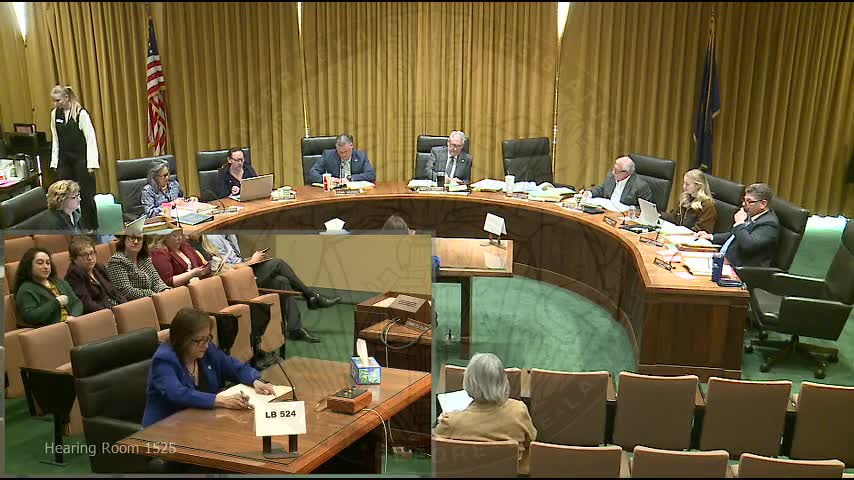
Senator Margot Juarez introduced LB524, a bill to provide retention grants for paraeducators and remove the application requirement so eligible paraprofessionals receive automatic payments. The bill would provide $1,000 grants to paraeducators who work an average of 28 hours a week or more during the school year, with prorated amounts for those who work fewer hours.
Proponents told the committee paraeducators carry heavy responsibilities — instructional support, behavior intervention, medical tasks and other duties — while earning wages that in many districts start near minimum wage. Tim Royers of the Nebraska State Education Association said paraprofessionals meet increasing student needs and that retention grants would reduce turnover and recruitment costs. Paraeducators and teachers from multiple districts described low base pay, unpaid snow days and the difficulty of holding multiple jobs while serving students. Penny Larson (Papillion La Vista) said her starting wage was $16.12 per hour and that paras often receive no benefits and face unpaid breaks.
Paraprofessionals described emotional and physical demands of the work and gave examples of incurring personal expense for student needs. Mary Reynolds East, a paraprofessional in Miller Public Schools, testified paras often work in challenging conditions and sometimes face physical or verbal abuse while performing medical and behavioral tasks. Jennifer Faz, a high school special education teacher, said paras are essential to implementing behavior plans and maintaining IEP documentation and that losing para staff increases classroom instability.
Committee members asked about the program’s cost: proponents said the paraeducator portion carried a price tag around $9 million in the bill’s fiscal note and that the Education Future Fund’s balance and other budget items would be considered. Senator Juarez closed by thanking witnesses and noting 25 proponents and six opponents filed electronically. No formal committee vote occurred during the hearing.