Get Full Government Meeting Transcripts, Videos, & Alerts Forever!
Get email alerts on the Teacher Compensation topic
No spam. Unsubscribe anytime.
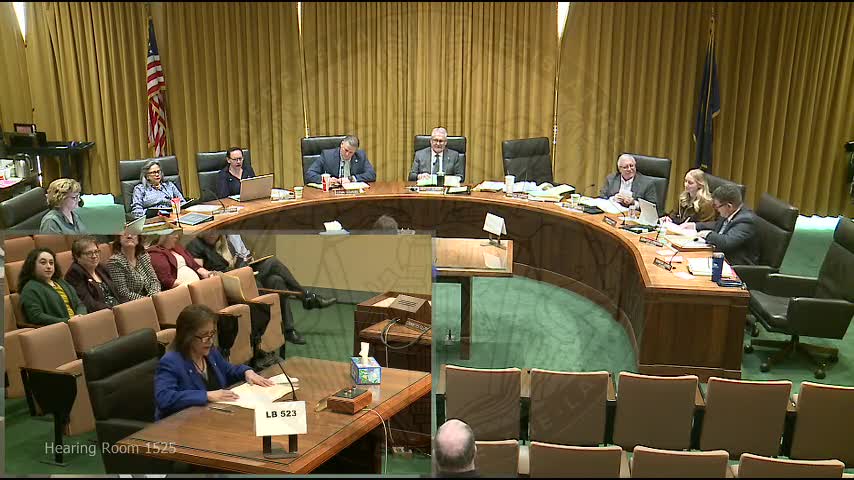
Education committee hears bill to pay student teachers $4,000 per semester to address teacher shortage
Summary
LB523 would create a stipend of $4,000 per student‑teaching semester for eligible student teachers who demonstrate financial need; proponents said compensation would help recruit and retain teachers, especially in high‑need districts and special education, and tie into Education Future Fund resources.
Senator Margot Juarez introduced LB523, the Student Teacher Compensation Act, asking the Department of Education to establish a stipend program providing eligible student teachers $4,000 per student‑teaching semester. Eligibility would require enrollment in an accredited teacher preparation program and a demonstration of financial need as determined by the department.
Proponents told the Education Committee that student teaching is essentially a full‑time job — “They are in charge of the grading. They participate in the parent teacher conferences. They attend the IEP meetings,” Tim Royers, president of the Nebraska State Education Association, said — while most student teachers receive no pay and often must also pay tuition for their practicum credits. Royers and other witnesses argued that compensation would reduce financial barriers to entering teaching, help districts recruit and retain new teachers, and align with similar measures in other states.
Doane University’s Dean of Education Tim Frey testified that many student teachers cannot afford to take unpaid student‑teaching placements — some commute long distances or earn college credits equivalent to 10–12 credit hours — and said the stipend should be targeted to students with financial need. Mary Phillips of the Arc of Nebraska said the stipend would help produce more special education teachers and improve services for students with disabilities; she provided long‑term shortage data for special education.
Student and aspiring‑teacher witnesses told the committee their practicum experiences require full days of classroom responsibility and sometimes result in lost wages and hardship. Penny Larson, an aspiring educator and single parent, said the stipend would “significantly alleviate the economic strain” and allow candidates to focus on learning and professional development.
Committee members asked how many districts offer stipends already (Senator Luniewski asked about Omaha paying $9,000) and whether the Education Future Fund cited in testimony could absorb the cost. Proponents said Omaha and Westside offer local stipends and that LB523 proposes a targeted, need‑based statewide stipend that proponents view as a fiscally measured approach. Senator Juarez noted online responses with 22 proponents and 8 opponents. No committee vote occurred at the hearing.