Get Full Government Meeting Transcripts, Videos, & Alerts Forever!
Get email alerts on the Ambulance District Governance topic
No spam. Unsubscribe anytime.
Bonner County ambulance district pursues greater autonomy, outside counsel and budget changes
Summary
Board members agreed the ambulance district must assume its own bills, explore independent legal and bookkeeping services, and shift meeting cadence to speed financial decisions; a consent agenda was approved by roll call.
At a Bonner County Ambulance District meeting, board members and staff discussed steps to separate district finances from county administration and to identify outside legal and bookkeeping services so the district can operate more autonomously and present a clear multi‑year budget.
The conversation centered on who is legally and practically responsible for bills arising from ambulance operations, immediate changes to billing and risk‑management practice, and next steps: a presentation on outside counsel and a potential bookkeeping contract at the next meeting. The board also adjusted its meeting cadence to allow more frequent bill‑payment windows while creating a heavier monthly agenda for substantive items.
Board members said the ambulance district must assume responsibility for bills that arise from district operations rather than relying on county processes. A board member summarized the change as a shift away from a past practice in which county staff paid charges regardless of the originating fund, and said the board will follow legal advice about which budget must pay specific charges. Meeting discussion emphasized that changing the process will put short‑term strain on both county and district budgets, but is intended to align practice with statute and legal counsel.
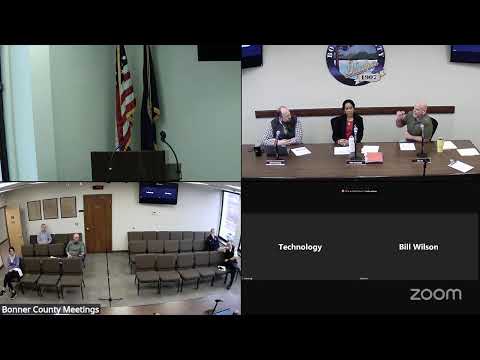
County legal counsel Bill Wilson briefed the board about the options for formalizing the relationship between the county and the ambulance district. Wilson said a written agreement — whether a memorandum of understanding or a joint powers agreement — is necessary to define responsibilities and that both approaches could work depending on the board's objectives. "If the objective is to have a greater degree of separation between the county and the district, then I think it's a really good time to go look at independent legal counsel for the district," Wilson said. He added that if the county continues to provide administrative services, his office can draft or assist with agreements once the board defines the relationship.
Chief Lindsay (ambulance chief) told the board he has identified an attorney with experience representing other Idaho ambulance districts and said the attorney is available to present an engagement proposal next week; Lindsay also said he has quotes for bookkeeping services and is prepared to move forward if the board elects to do so. Board members asked for a compare‑and‑contrast presentation at an upcoming meeting showing the cost and functional differences between continuing county‑provided services and contracting for outside bookkeeping and legal counsel.
Public commenters and advisory committee members urged the board to consider full autonomy at some point and to make the district's true operating costs transparent. Resident Dave Bowman, speaking during public comment, said biweekly meetings are preferable to monthly meetings while urgent financial work continues but that any extra meetings should include substantive updates rather than just bill pay. "Biweekly is appropriate," Bowman said, "but to limit it to just payment of bills is a mistake."
Board discussion produced these near‑term actions and directions: staff will present outside counsel and bookkeeping quotes at the next meeting; staff confirmed ICRMP risk‑management materials have been submitted and a response is pending; health‑insurance quotes cannot be finalized until after early June because vendors cannot produce rates until then; and the board will move to a biweekly meeting cadence for the near term with one heavier monthly meeting dedicated to task‑list updates and policy discussion.
The board also addressed routine business. A motion to approve the consent agenda was made and seconded; during the roll call Mr. Carney and Mr. Hawkins were recorded as voting "yes," and the chair announced the motion passed.
Board members and staff repeatedly cautioned that moving services off county administration will increase the ambulance district's direct costs (for example, for outside counsel or bookkeeping) even if those services are already paid indirectly through county taxes today. Several members said the aim is to create an accountable, sustainable district with clear cost accounting so future decisions about legal form (remaining under the current statute, pursuing a joint powers agreement, or forming a newly reconstituted independent district under newer statute options) can be made with legal and financial analysis.
The board scheduled the budget‑neutrality multi‑year plan and the compare/contrast briefing on legal options and bookkeeping for upcoming meetings and asked staff to return with concrete figures. The meeting ended with the board directing staff to prepare those presentations and to notify the Board of County Commissioners and risk‑management of the procedural changes in bill handling.
Ending: The board set a next meeting to receive a formal introduction from the attorney identified by Chief Lindsay and to review bookkeeping quotes; staff were asked to return updated ICRMP and health‑insurance information when vendor rates become available.