Get Full Government Meeting Transcripts, Videos, & Alerts Forever!
Get email alerts on the Substance Use Naloxone topic
No spam. Unsubscribe anytime.
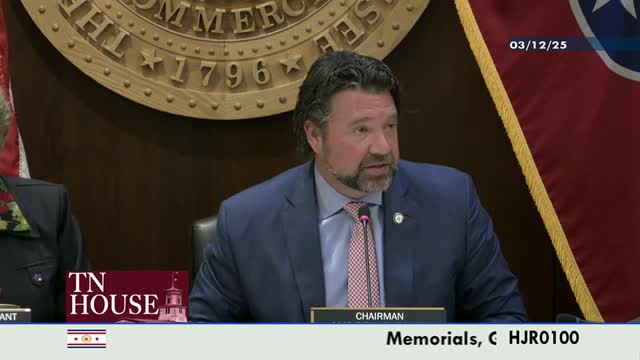
House committee backs resolution urging 25% of opioid-abatement funds for naloxone access
Summary
The House Judiciary Committee voted to send House Joint Resolution 100 urging state opioid-abatement administrators to dedicate 25% of distributions to naloxone (Narcan) purchases and public awareness; survivors and recovery advocates urged the measure at the hearing.
Chairman Jeremy Faison sponsored House Joint Resolution 100 and the House Judiciary Committee voted to send the resolution forward after testimony and questions about expanding naloxone access.
The measure urges Tennessee’s opioid-abatement administrators to dedicate 25% of funding to naloxone purchases and related public awareness. George Massengill, who identified himself as representing a nonprofit called REACH and said he is 37 years in recovery, told the committee increased naloxone availability and public education would reduce overdose deaths.
Massengill said naloxone ‘‘is the medication that if someone is overdosing and we have that available and can administer that, they most of the time will survive.’’ He and other speakers urged wider distribution and awareness so more people carry naloxone.
Committee members asked about safety and side effects. Representative Rosanna Powell asked whether naloxone could harm someone who did not have opioids in their system; Massengill replied he was not medical personnel but said he was not aware of harm in those cases and several members followed up with similar questions about repeated administration. Representative Powell and Representative Towns also pressed on durability and public messaging, and Faison described existing and planned public-service announcements using opioid-abatement funds.
Faison told the committee the resolution is a short-term triage proposal to ‘‘flood the market with Narcan,’’ saying he wants the device widely available across districts and in legislators’ cars and offices. He told members the devices can cost in the ‘‘teens’’ per dose but save lives.
After testimony and questions the committee called the question and voted. The clerk recorded 20 ayes, 0 nos, 0 present not voting; House Joint Resolution 100 will move to calendar and rules.
The resolution urges the opioid-abatement council to prioritize naloxone purchases and outreach for a defined period; it does not itself appropriate funds or change statutory allocation authority.