Get Full Government Meeting Transcripts, Videos, & Alerts Forever!
Get email alerts on the Consumer Finance topic
No spam. Unsubscribe anytime.
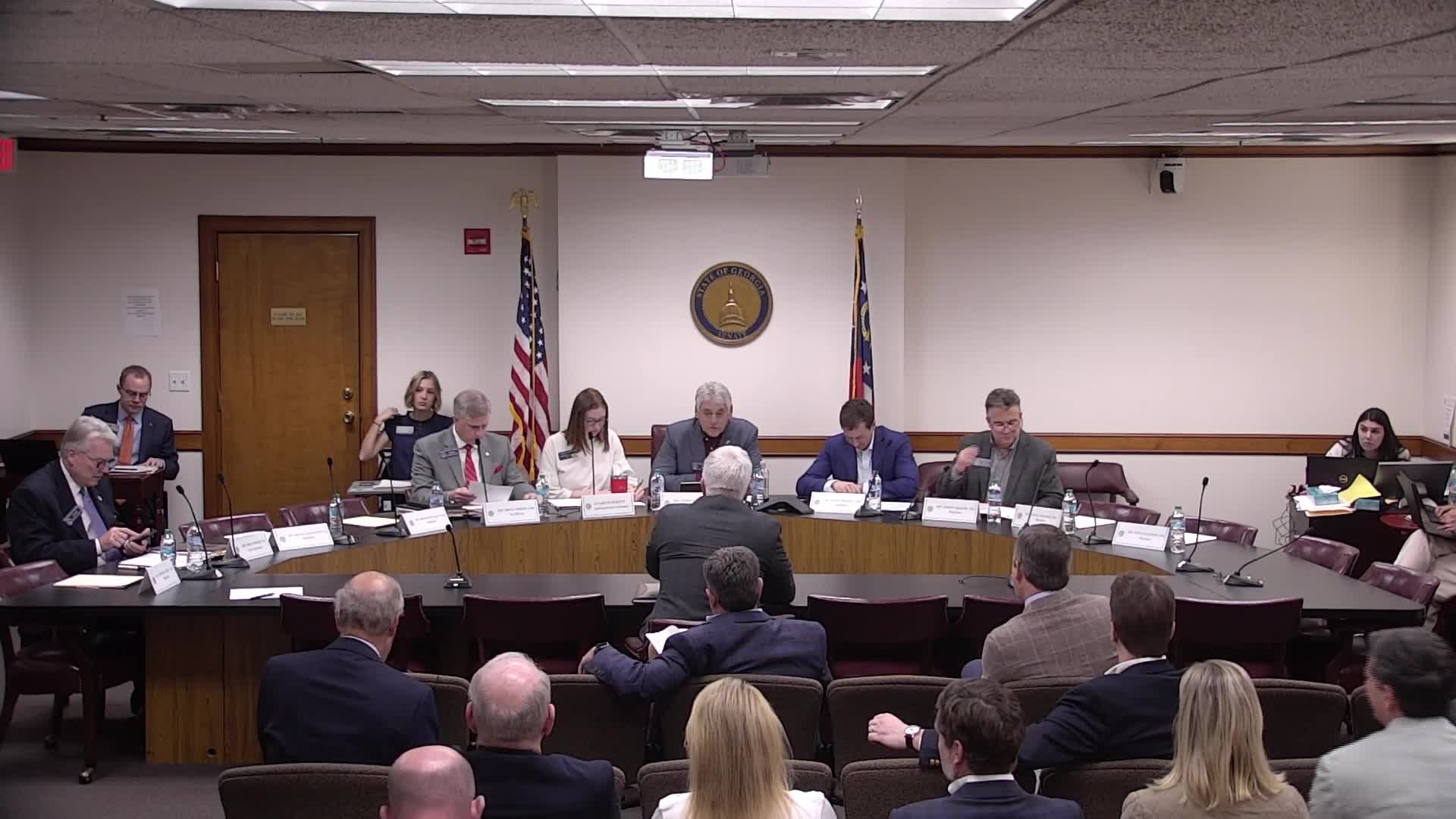
Committee advances bill to curb ‘trigger lead’ marketing after mortgage credit checks
Summary
A legislative committee unanimously advanced House Bill 240 to restrict sales of so-called trigger leads — consumer contact data generated when a lender pulls a credit report for a mortgage application — aiming to reduce confusing solicitations and potential credit-score harm.
A legislative committee voted unanimously to advance House Bill 240, a proposal to limit the commercial sale and use of “trigger leads” generated when a lender pulls a mortgage applicant’s credit report. The bill was identified in committee as LC 520713.
Representative Williams, who presented the bill, described trigger leads as consumer records sold by credit bureaus to other lenders after a mortgage inquiry. “Trigger leads are generated when a lender pulls a consumer's credit report for a mortgage application,” Williams said. He told the committee the practice can lead to “deceptive practices and fraud, and harassment,” and that repeated credit checks after solicitations can harm consumers’ credit scores.
Williams told the panel mortgage bankers support the bill and that it passed the House by a 180-0 margin. Committee members asked clarifying questions about whether the bill bans solicitations or only requires truthful disclosure about who is contacting a consumer; Williams and others emphasized the bill targets misleading approaches and nuisance contact rather than lawful competition.
A motion to advance the bill passed without recorded opposition in committee. Representative Williams said a senator will carry the measure in the other chamber. The committee did not adopt amendments during the session and no public witnesses were recorded for or against the measure.
Why it matters: committee members and presenters said the bill aims to reduce consumer confusion and harassment during a sensitive financial transaction, protect credit scores from repeated hard inquiries, and limit avenues for predatory follow-up offers after mortgage applications.