Get Full Government Meeting Transcripts, Videos, & Alerts Forever!
Get email alerts on the Tax Credits Historic Rehabilitation topic
No spam. Unsubscribe anytime.
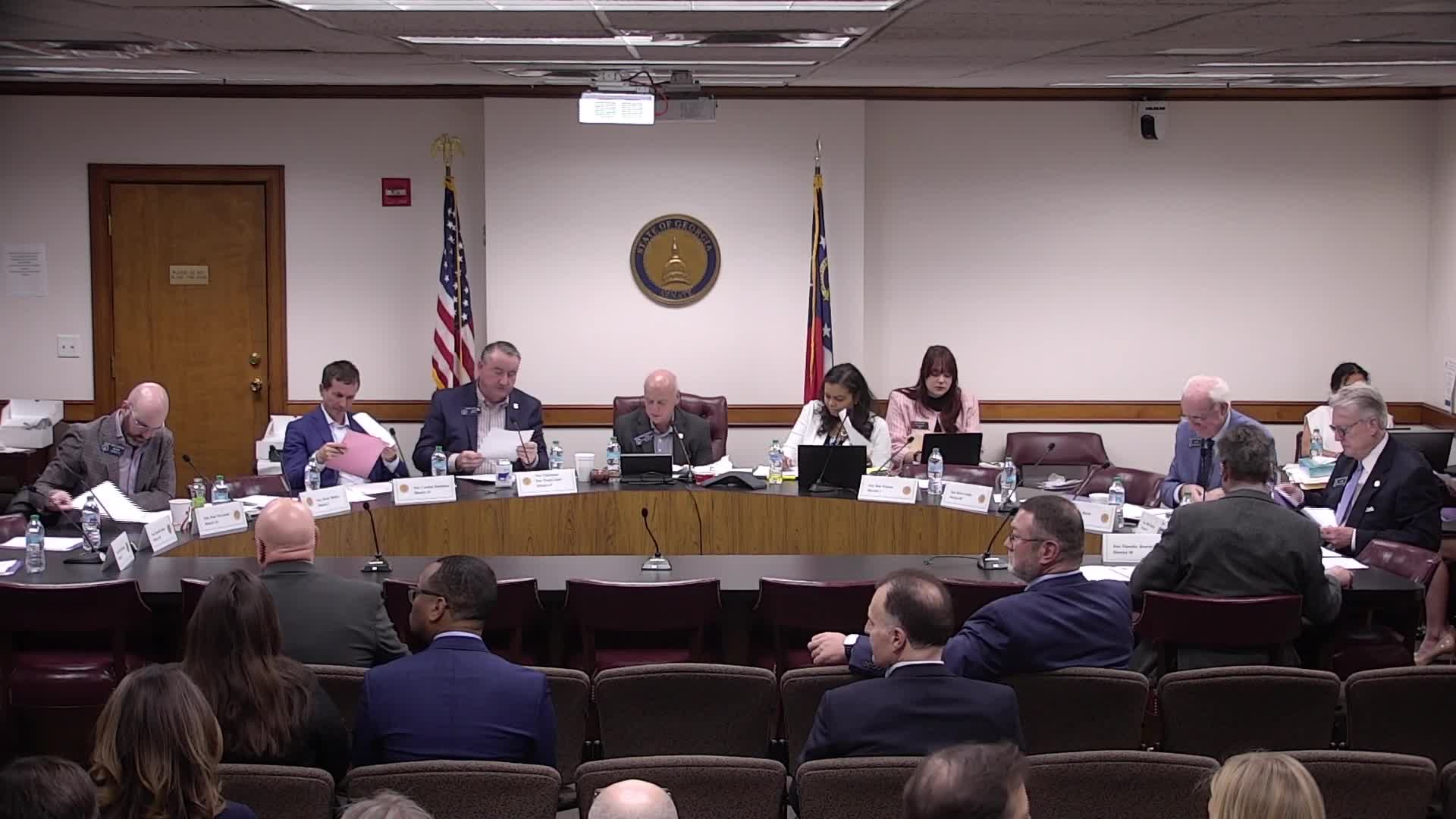
Committee advances bill letting select Atlanta projects claim historic tax credits earlier
Summary
The committee unanimously advanced HB 360, allowing certain Downtown Atlanta projects already in the historic tax credit queue to claim credits earlier if they obtain certificates of occupancy by 2026; sponsor said the bill does not raise the program cap.
The Senate Economic Development Committee voted unanimously to give House Bill 360 a favorable report, a measure intended to let projects in the historic rehabilitation tax credit queue in downtown Atlanta claim credits sooner if they meet a 2026 certificate-of-occupancy deadline.
The bill’s sponsor told the committee the measure would not increase the program cap and is geographically limited to downtown Atlanta by tying eligibility to a ten-mile radius around the Cabbagetown Historic District. “This bill would allow in Atlanta, Downtown Atlanta, specifically them to go ahead and claim those tax credits if they have a certificate of occupancy by 2026,” the sponsor said.
Committee members asked how the mechanics would affect future years’ credit availability and whether developers could monetize credits. One senator noted the program’s $30,000,000 annual cap and asked whether the projects discussed would consume future years’ allocations; the sponsor said he did not believe the projects would exceed the cap but offered to provide additional detail.
Supporters described the credits as important to rehabilitating older and blighted downtown structures and said speeding access to credits could help projects complete in time for major upcoming sporting events. A motion to pass received unanimous support and the bill was advanced from committee.