Get Full Government Meeting Transcripts, Videos, & Alerts Forever!
Get email alerts on the Tax Administration topic
No spam. Unsubscribe anytime.
Ways and Means committee approves compliance subcommittee package, extends appeal period and offers longer tax abatement option for commercial historic rehab
Summary
The full Ways and Means Committee approved a committee substitute that extends the tax-assessment appeal period from 30 to 45 days, and adds a provision allowing local governments to offer up to 20-year tax abatements for commercial historic rehabilitation projects; the measure was approved by voice vote and moves forward to the next stage.
The Georgia House Ways and Means Committee voted to advance Senate Bill 141 with a committee substitute (LC501229S) that makes two principal changes: it extends the appeal and protest period for certain tax assessments from 30 to 45 days, and it adds language (drawn from House Bill 526) allowing local governments the option — not a requirement — to offer up to 20 years for commercial historic rehabilitation agreements instead of the current nine-year limit.
Senate Bill 141 was presented to the committee as a department bill intended to improve Georgia's standing with a national tax‑policy rating organization by clarifying federal income tax adjustment language and by aligning procedural appeal timelines.
The nut graf: committee leaders said the 45‑day appeal window brings Georgia in line with recommended practices and that giving counties and municipalities discretion to offer longer commercial historic-rehab abatements recognizes the financing realities of income‑producing properties.
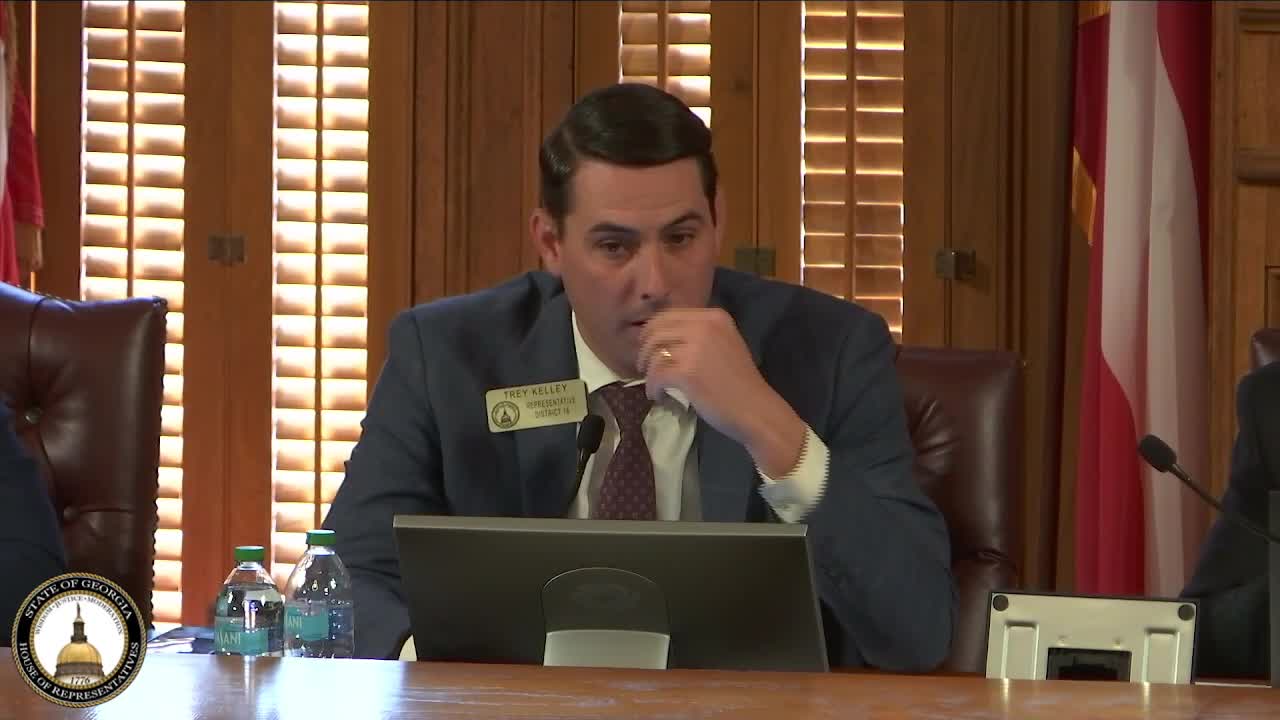
Leader Hatchett (Senate floor leader) summarized the change as procedural and compliance-oriented. Chairman Kelly and Chairman Newton explained that LC501229S combines the Senate department bill and the House-passed provision on historic-rehabilitation terms. The full committee first voted to waive rules on a committee substitute and then voted to give SB141 a favorable recommendation to proceed to the next legislative stage.
Ending: The committee approved the committee substitute and moved the combined bill forward by voice vote; staff indicated no statewide revenue impact was identified and the measure will proceed to the next stage of consideration.