Get Full Government Meeting Transcripts, Videos, & Alerts Forever!
Get email alerts on the Negligent Security Trafficking topic
No spam. Unsubscribe anytime.
Trafficking survivors warn SB 68's negligent-security language would bar many claims
Summary
Survivors, advocates and plaintiffs' lawyers told a House subcommittee that the negligent-security standards in Senate Bill 68 create impossible "and" conditions (specific time, identity, location) that will prevent victims of human trafficking and sexual abuse from proving claims against hotels and other venues.
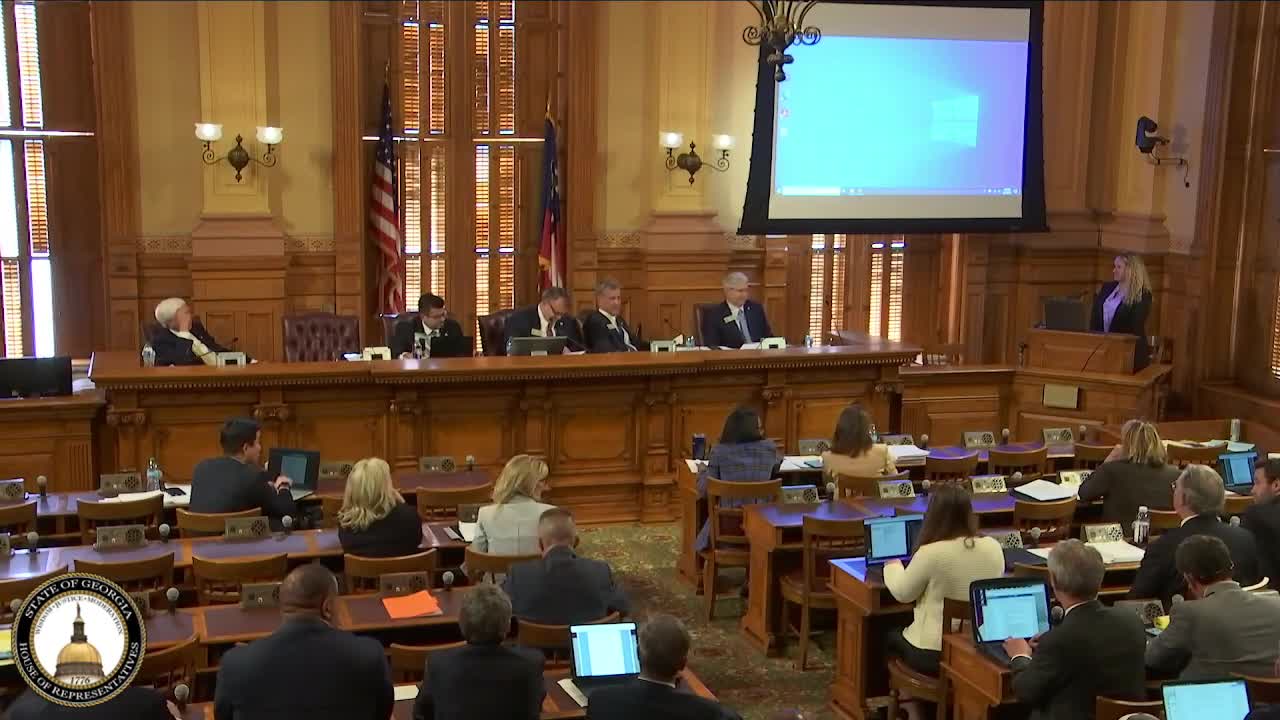
Survivors of human trafficking, victim advocates and plaintiffs' attorneys urged the Georgia House Subcommittee on Rules not to approve Senate Bill 68’s negligent-security provision, saying the law’s proof requirements would deny victims meaningful civil remedies.
Why it matters: One section of SB 68 would narrow premises-liability claims for "negligent security" by requiring plaintiffs to prove multiple, specific conditions — including that the owner "knew the person would be on the premises" and that there were "prior occurrences of substantially similar wrongful conduct" with the same identity, time and location. Critics said those "and" conditions are too rigid to reflect how trafficking and sexual violence actually occur.
Melanie Manis, a trafficking survivor who testified, said the emotional cost of one civil trial is severe; forcing survivors to testify multiple times or meet literal, specific-knowledge thresholds will bar cases. "There are only 10 women that have ever testified in Georgia in a civil case about trafficking," she said. "To have to repeat that 1, 2, 3 times ... takes every bit of courage inside of us to come up just 1 time and say, this is what happened to me."
Joanne Dorshow Shaw, who represents trafficking survivors, described deposition questions that require survivors to recount the most degrading acts in painful detail. She warned the committee the bill's phased trial structure would multiply those harms: "What if you had to answer yes to any of those questions? And what if the next question was, 'Well, tell me about that?' Because that's what my clients have to do," she said.
Attorney Denise Hoing, who has represented both sides, analyzed the negligent-security text and concluded that the statutory listing of conditions are conjunctive and would eliminate most viable claims. She told the committee the example offered by a defense witness (a repetitive assault in a Waffle House restroom) "doesn't survive this bill" because the statute demands a highly particularized showing of identity, location and timing.
Plaintiffs' attorneys and advocates requested targeted amendments: carve-outs or evidentiary relaxations for human-trafficking and sexual-assault survivors; a reworking of the "prior occurrences" and "specific physical condition" tests so that proximate patterns and indicia of risk — not literal daily repeats — suffice.
Opponents of change — including some business groups — said they do not intend to shield bad actors and agreed that genuinely dangerous venues should remain liable. But many witnesses warned that the draft language, as written, would create a near-impossible burden of proof for survivors who often face anonymity of perpetrators, shifting schedules and incomplete evidence.
Result: Committee members asked staff to consider amendments and survivor-based exemptions. No vote was taken at the hearing.
What survivors asked for: Several witnesses urged an explicit survivor exception so that victims of trafficking or sexual assault would not have to meet the statute's most literal conditions, and called for language that focuses on owner knowledge of a heightened risk pattern rather than a strict identity/time/location test.