Get Full Government Meeting Transcripts, Videos, & Alerts Forever!
Get email alerts on the Organ Transportation topic
No spam. Unsubscribe anytime.
Committee gives do-pass recommendation for bill clarifying status of organ-transplant transport vehicles
Summary
Senate Bill 58, aimed at codifying organ-procurement/transport vehicles and their use of emergency lights and authorities, received a committee do-pass recommendation; sponsor said the change clarifies code language and formalizes an existing practice with Department of Public Safety coordination.
Senator Albers presented Senate Bill 58 to the committee as legislation that clarifies the legal status and code treatment of organ-procurement and transplant transport vehicles.
The sponsor described the bill as a targeted change to put organ transport vehicles explicitly into the state code so operators can follow the same emergency-vehicle rules as ambulances when transporting organs and, in some cases, an accompanying medical team. "It simply puts that in the code, so it's a good clean process," the sponsor said, noting the Department of Public Safety collaborated on drafting the statutory language.
The sponsor said the vehicles are typically staffed by trained personnel including retired firefighters, paramedics and police officers and that the change mirrors existing practice at transplant hospitals. Committee members expressed support; one member who read the bill said he "thought this was already law" and urged a due-pass recommendation.
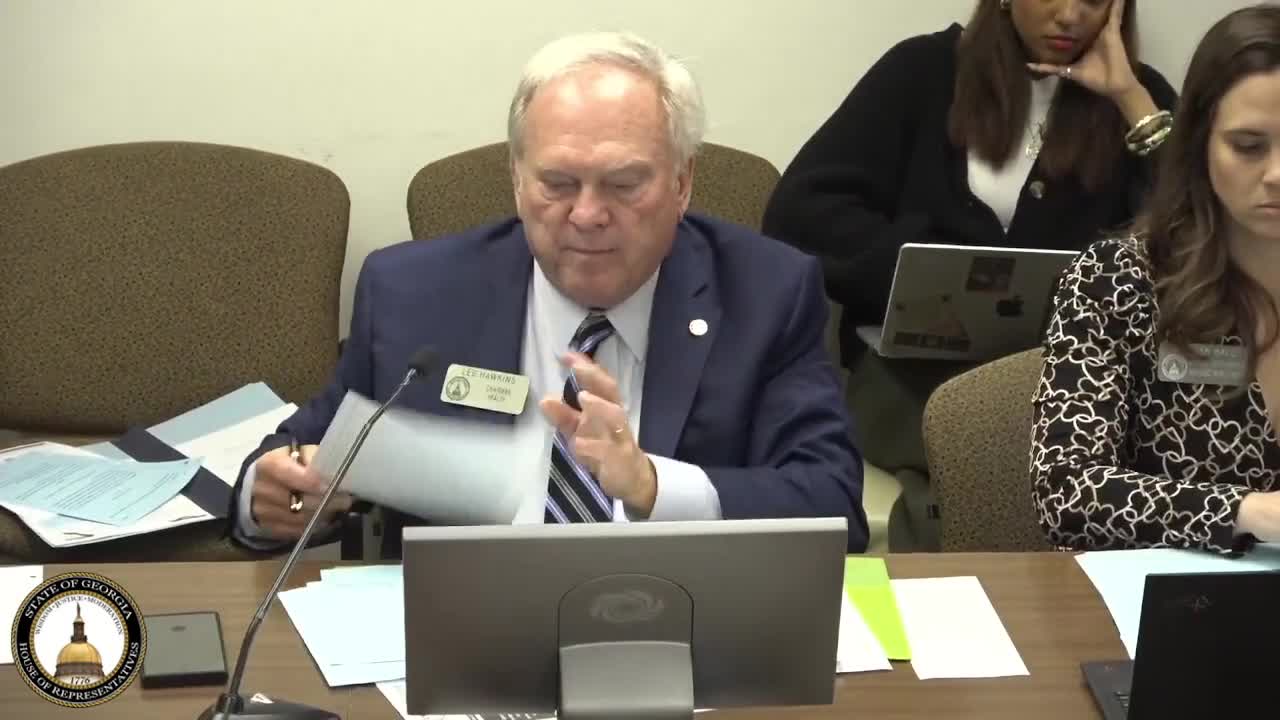
The committee moved and seconded the bill, took a voice vote and the chair announced the do-pass recommendation and logged an internal legislative identifier (recorded in the transcript as an LC number). The sponsor confirmed a House sponsor for the measure.
Ending: Committee recommended the bill for passage to the next stage; the sponsor said the change formalizes established organ-transport practices and should make the process cleaner for providers and public-safety agencies.