Get Full Government Meeting Transcripts, Videos, & Alerts Forever!
Get email alerts on the Tax Increment Financing topic
No spam. Unsubscribe anytime.
Council approves TID No. 9 project plan and boundaries after debate over 27-year financing and cleanup costs
Summary
The Glendale Common Council voted 4–2 to establish Tax Incremental District (TID) No. 9 and approve a developer-backed project plan that relies on a 27-year, pay-as-you-go tax increment arrangement intended to underwrite roughly $7.8 million in environmental remediation and associated redevelopment costs.
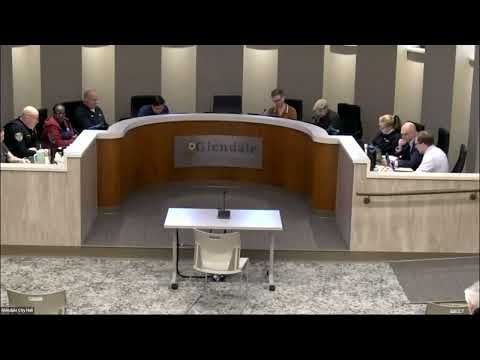
The Glendale Common Council on an evening vote approved a resolution establishing the boundaries and adopting the project plan for Tax Incremental District No. 9, endorsing a developer-backed financing package designed largely to fund environmental remediation at a vacant site.
The decision sets up a 27-year tax increment financing (TIF) arrangement with a proposed 95/5 split and a pay-as-you-go structure the developer says will allow the remediation and redevelopment to proceed without the city borrowing upfront. The council approved the resolution 4–2.
Why it matters: Council members and staff said the site is largely vacant and blighted; the plan is intended to remove environmental barriers to redevelopment, expand the tax base and create construction and permanent employment. Opponents said the 27-year term and the size of the developer return raised questions about long-term value for taxpayers.
Newland Enterprises’ representative Joey Wisniewski presented the redevelopment case and the developer’s cost estimates. Wisniewski said the developer’s consultants estimated environmental remediation and related capital costs at about $7,800,000 and that the project would deliver new housing, jobs and taxable value. He described the proposed financing as developer-funded and “0 risk to the city,” saying the developer expects to monetize future tax increments to secure construction financing.
Todd Toews, senior consultant for Ehlers (the city’s financial advisor on the matter), summarized the financial analysis the city used to evaluate the proposal. “Without the TIF assistance, this project would not be economically viable for the developer to undertake,” Toews said, presenting cash-on-cash and internal-rate-of-return comparisons with and without the requested assistance. He said the plan assumes a pay-as-you-go incentive of $24,500,000 of future tax increments (the consultant’s projection of increment payments over 27 years) and a total project cost shown in the plan of about $25,600,000.
Toews said the project’s base assessed value inside the proposed district is roughly $240,000 now and that the plan projects built value of about $44,300,000 over the life of the district. He described a two-year lag before the district would begin producing increment revenues (the plan shows 2027 as the first revenue year under the current schedule).
The developer presented estimated impacts including about 288 construction jobs (an estimated $31,414,000 of construction economic activity) and 79 permanent jobs producing roughly $4,600,000 in annual economic activity. The developer also said current combined taxes on the parcels total about $5,300 per year and estimated they would grow to about $55,000 per year with the development.
Council discussion focused on the length of the proposed TIF (27 years, the statutory maximum for a blighted-district designation), precedent for future projects, the size of the developer’s return, and protections built into the redevelopment agreement. Several council members noted that Ehlers and the joint review board had performed a “but-for” test and due diligence finding that, absent assistance, the site was likely to remain undeveloped because of the cleanup costs.
City Attorney/negotiator notes and the amended redevelopment agreement presented alongside the project plan included these protections: a cap so the city cannot pay more than the stated incentive or the actual remediation costs (whichever is less), a minimum assessed-value schedule to require developer payments even if construction is delayed, pay-as-you-go structure (no city borrowing upfront), and a modest clawback provision tied to the unlikely event of a profitable sale that would trigger a sharing of upside with the city. The agreement also requires certain public-facing improvements, including sidewalk connectivity at the site.
Aldermen who spoke in opposition cited the length of the TIF and voter concerns about fairness and long-term municipal returns. Supporters pointed to the blight finding, environmental remediation requirement and the likelihood that the property would otherwise remain vacant for years.
Formal actions recorded at the meeting: the council adopted the resolution creating TID No. 9 and approving the project plan (motion moved by Alderman Vukovich, seconded by Alderman Shaw; final recorded outcome: approved 4–2). The council also approved an amended redevelopment agreement with Newland tied to TID 9 (motion moved by Alderman Vukovich, seconded by Alderman Doherty; outcome: approved by roll call).
Next steps: Ehlers and staff noted the joint review board — the body with representatives from overlapping taxing jurisdictions — must take a final vote on creating the district; staff indicated the joint review board will meet on March 24 as the next procedural step. The redevelopment agreement and the TID implementation language will govern how and when incremental taxes are remitted to the developer under the pay-as-you-go schedule.
The council and staff repeatedly emphasized that the proposal is structured so the city would not borrow upfront for remediation; instead, future tax increments would be the sole source of repayment under the developer’s proposed plan.