Get Full Government Meeting Transcripts, Videos, & Alerts Forever!
Get email alerts on the Education School Health topic
No spam. Unsubscribe anytime.
Dawson High’s sports‑medicine program wins back‑to‑back state titles; trainer highlights college pathways
Summary
Joseph Everhart, associate athletic trainer at Dawson High School in Pearland ISD, described how the school’s Sports Medicine program combines classroom rigor, clinical training and mentorship to produce state quiz‑bowl champions, extensive college placement and hands‑on care for students and staff.
Joseph Everhart, associate athletic trainer at Dawson High School in Pearland Independent School District, described the high school’s Sports Medicine program as a combination of clinical training, academic rigor and mentorship that has helped Dawson students win back‑to‑back state quiz‑bowl championships and earn acceptance into post‑baccalaureate health programs.
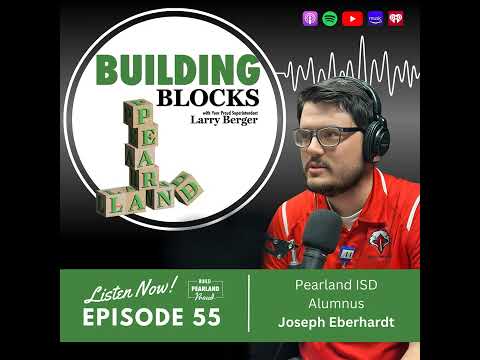
The program, Everhart said on the Pearland ISD “Building Blocks” podcast, pairs hands‑on clinical rotations with an extracurricular academic competition run by the Greater Houston Athletic Trainer Society (GHATS). “I’m not someone who treats our high‑school student athletes any different than our NFL Buffalo Bill athletes,” Everhart said. “Every student athlete deserves the gold standard of medicine.”
Why it matters: the program serves two functions for the campus and community — providing frontline health care for athletes and other students and acting as a pipeline into college and health professions. Everhart told listeners the program maintains a high standard of professionalism, including a stricter dress code and annual competencies, and that those standards feed both student confidence and outcomes.
How the program works: students apply during a rolling process that is reviewed each winter, Everhart said. The program limits membership by facility capacity: he said Dawson maintains about 18 lockers and typically accepts a small class from a large applicant pool. “I typically have anywhere between 50 to 55 applicants and I got to pick 5,” Everhart said, describing a competitive selection process that includes interviews and clinical expectations.
Academic and competitive elements: Everhart described the program’s academic club, two weekly meetings and required study of medical terminology, anatomy and rehabilitation techniques. The classroom component is supplemented by an academic “quiz bowl” run through GHATS; Everhart credited that competition with helping Dawson capture regional and recent state titles. He said the program has produced multiple students who later entered physical therapy, athletic training and other health programs.
Mentors and continuity: Everhart credited several Dawson alumni and staff — including Chris Shattuck, Christina Fry and Lindsey Thomas — with mentoring him into the role and helping sustain a multi‑generational culture. He described a mentorship model in which seniors train freshmen and staff provide oversight, a structure he said supports both student learning and after‑hours coverage of events.
Scope of care and community role: Everhart emphasized that Dawson’s athletic trainers often function as the first health provider for students from lower socioeconomic backgrounds. He described the trainers’ responsibilities — evaluating injuries on the field, making clinical diagnoses, managing rehab and overseeing return‑to‑play decisions — and called concussion care and health literacy primary priorities. “I have to educate the moms and the dads that this may not be a 9/11 emergency,” he said, urging appropriate triage and explaining that not every ankle sprain requires an emergency room visit.
Program outcomes and outreach: Everhart said the program posts an alumni wall and tracks scholarship and placement statistics; he told the host the program has a strong acceptance rate into first post‑baccalaureate health programs. He also noted that March is National Athletic Training Month, citing it as an opportunity for local advocacy and awareness.
How to learn more: Everhart said information and the application are available on the Dawson Sports Medicine webpage and that the program reviews applications and conducts interviews each spring. He asked interested students and parents to consult the Dawson Sports Medicine page for specific contact details and application deadlines rather than relying on show‑transcribed addresses.
The episode concluded with Everhart urging students to “trust the process” and to keep mentors and roots in mind as they move into college or careers. “When you become a parent and a father and everything, I find myself reflecting on classmates and teachers and everything,” he said, summarizing the program’s emphasis on mentorship and long‑term support.