Get Full Government Meeting Transcripts, Videos, & Alerts Forever!
Get email alerts on the Cultural Affairs topic
No spam. Unsubscribe anytime.
Mass Cultural Council asks for $28M in FY26 to expand grants, start poet laureate and scale arts social‑prescribing
Summary
Mass Cultural Council asked the Ways & Means committee for a $28 million FY26 appropriation — the largest in agency history — to expand operating grants, youth arts and cultural district programs and to fund the state's first poet laureate and social‑prescribing pilots.
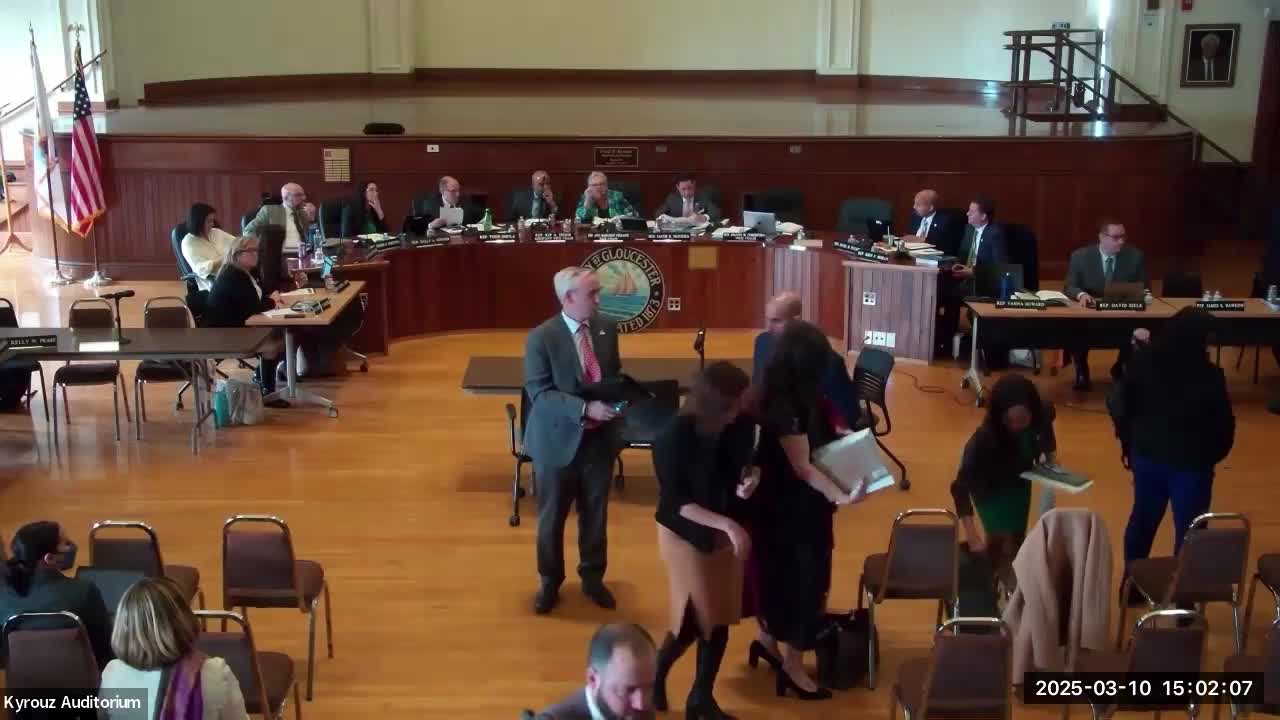
Mass Cultural Council Executive Director Michael J. Bobbitt told the Joint Committee on Ways and Means in Gloucester that the agency seeks a $28,000,000 FY26 appropriation, an increase intended to expand operating support for cultural organizations, strengthen local cultural councils and fund the new state poet laureate position.
Bobbitt said the cultural sector contributes $28.6 billion in economic activity in Massachusetts and supports more than 133,000 jobs, and that statewide arts and cultural assets now number more than 15,000 organizations and more than 112,000 creative professionals. The MCC said the sector’s grant programs became more competitive in FY25 and that the agency limited operating support so more organizations could share available funds.
The agency asked for a $15,000 funded earmark in the line item to provide an honorarium and modest program funds for the governor’s newly‑created state poet laureate. Bobbitt also highlighted an NEA partnership that supplied roughly $1.2 million in federal dollars for poetry, education and folk arts programs but noted that a change in federal policy could affect future NEA support.
Bobbitt described a nascent statewide social‑prescribing effort — a first‑in‑the‑nation model — that allows medical providers and social‑service professionals to prescribe arts participation with a companion ticket and transportation. The council said more than 430 arts organizations have participated in the pilot and that third‑party payers, insurers and philanthropic partners are being used to underwrite the program.
Committee members asked about funding streams, federal partnerships and the risk of federal policy changes restricting DEI‑related grants tied to the National Endowment for the Arts; the council said federal funding makes up a modest share of its total but warned that NEA policy shifts could diminish the agency’s supplemental grant dollars.
Ending: The Mass Cultural Council requested the committee’s support for a $28 million FY26 appropriation with a small funded poet laureate earmark and asked lawmakers to consider arts and culture as central to local economic growth, education and community wellbeing.