Get Full Government Meeting Transcripts, Videos, & Alerts Forever!
Get email alerts on the Latino Health System Task Force topic
No spam. Unsubscribe anytime.
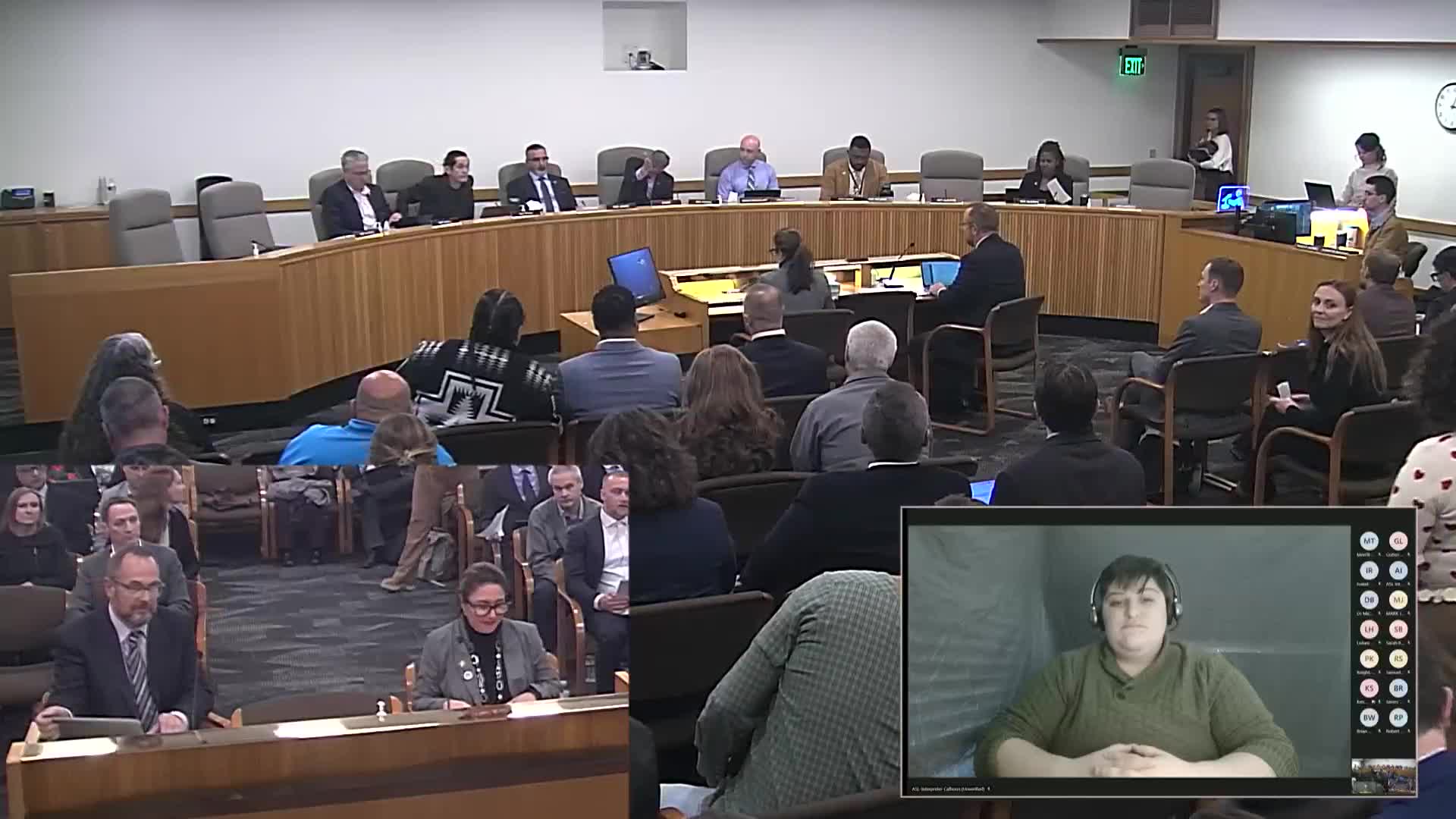
Representative Leslie Muñoz urges Latino health task force to boost culturally specific care in Oregon
Summary
Lawmakers and clinicians told the House Committee on Behavioral Health and Health Care that House Bill 3,650 would create a Latino Health System Task Force to map culturally and linguistically specific referral networks and expand workforce pipelines to improve utilization among Latino Oregonians.
Representative Leslie Muñoz, the bill’s chief sponsor, told the House Committee on Behavioral Health and Health Care that House Bill 3,650 would create a Latino health system task force to describe and plan a culturally specific system of care for Latinos in Oregon.
Muñoz said the task force would produce two concrete outcomes: a culturally specific referral network that would allow Latino families and providers to find appropriate bilingual, bicultural services and a joint strategy with health systems and coordinated care organizations to grow the provider workforce. “HB 36 50 will create a Latino health care system task force,” she said, “The task force will have the broad charge of describing what a system of care for Latinos would look like.”
Why it matters: Testimony cited persistent under‑utilization of benefits by Latino patients despite high insurance coverage, contributing to preventable conditions and higher emergency use. Witnesses and the representative argued that better coordination, culturally competent providers and a pipeline from education to practice could reduce disparities in oral, behavioral and chronic disease outcomes for Latino communities.
What speakers told the committee: Salvador Arresola, director of a culturally and linguistically specific 13‑bed residential program in Central Oregon, said patients “feel at home and respected” because the program provides cultural foods and instruction in native languages. Tony Jervin (listed in testimony as a rural family doctor and vice chair of the Oregon Health Policy Board) and other clinicians described clinics that operate as “mini Latino health systems,” with integrated primary, dental and behavioral care that deliver better outcomes when language and culture are respected.
Program and scope: During testimony Muñoz noted existing investments and examples: PacificSource community grants (she said “over $2,000,000” dedicated to Healthy Oregon Program improvement), statewide Healthy Oregon Program expansion for children, and a 2022 OHSU investment she described as “$45,000,000 into the OHSU 30 30 30 program” to grow workforce diversity. She recommended using the Unite Us platform (Connect Oregon) to help stand up a culturally specific referral network.
Questions and next steps: Committee members asked for clarification about the task force’s purpose and whether it would address recruitment and retention. Clinicians and community health workers urged the committee to keep implementation practical and focused on community outreach, bilingual materials and integrating workforce training with health systems and CCOs. Representative Muñoz closed by urging the committee to “vote aye on HB 3,650.”
Ending: The committee closed the public hearing on HB 3,650 and moved on to the dental rate informational session on the same agenda.