Get Full Government Meeting Transcripts, Videos, & Alerts Forever!
Get email alerts on the Court Access topic
No spam. Unsubscribe anytime.
Committee advances bill to loosen notice requirement for remote testimony in civil cases
Summary
The committee voted to advance House Bill 2461, which would replace a fixed 30-day notice rule for remote testimony in civil cases with a 'sufficiently in advance' standard and add specific prejudice factors regarding technology and facilities.
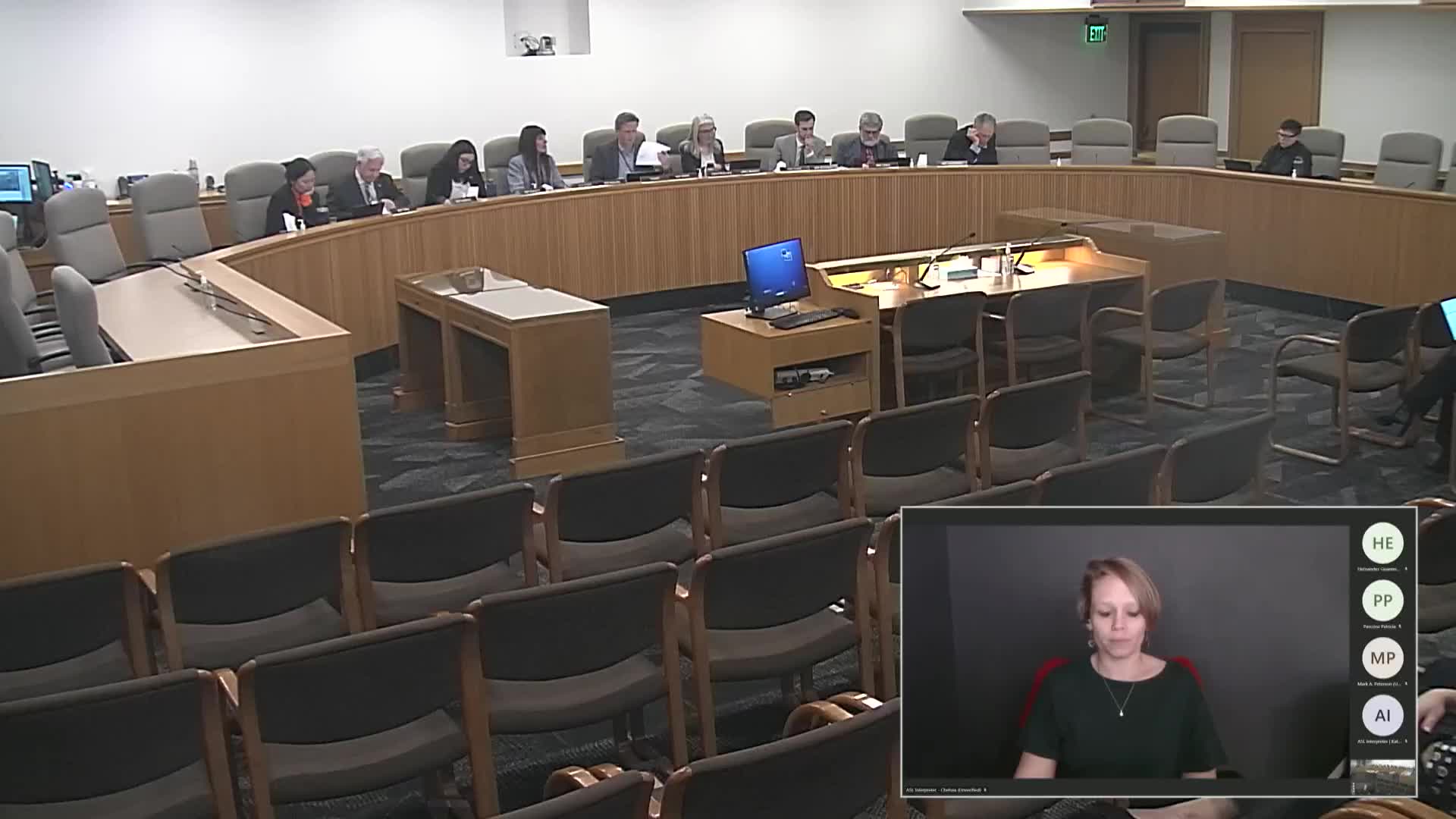
The House Judiciary Committee held a work session on House Bill 2461 and voted to advance the bill to the House floor with a due-pass recommendation.
The bill would modify Oregon’s current notice requirement for requesting remote testimony in civil cases by replacing a fixed 30-day advance notice requirement with a standard that the notice be given “sufficiently in advance” to allow the opposing party to challenge the stated good-cause reasons and to establish any prejudice factors. The measure also adds specificity to the prejudice analysis by referencing whether reliable facilities or technology are readily available to the court, parties and witnesses. Committee staff said the measure creates minimal fiscal impact and no revenue impact.
Supporters and committee members said remote testimony increases access to justice, particularly for litigants who must travel long distances or who face financial or logistical barriers to attending in person. Members urged the judicial branch and bar to continue work on customer-service and uniformity across courthouses to make remote participation reliable for pro se litigants.
A motion to move HB 2461 to the floor with a due-pass recommendation was made and passed on a roll call; Representative Anderson volunteered to carry the bill on the floor. No formal amendments were adopted in the work session excerpt.