Get Full Government Meeting Transcripts, Videos, & Alerts Forever!
Get email alerts on the Guardianship Court Visitors topic
No spam. Unsubscribe anytime.
Bill would protect court visitors from liability when acting in good faith
Summary
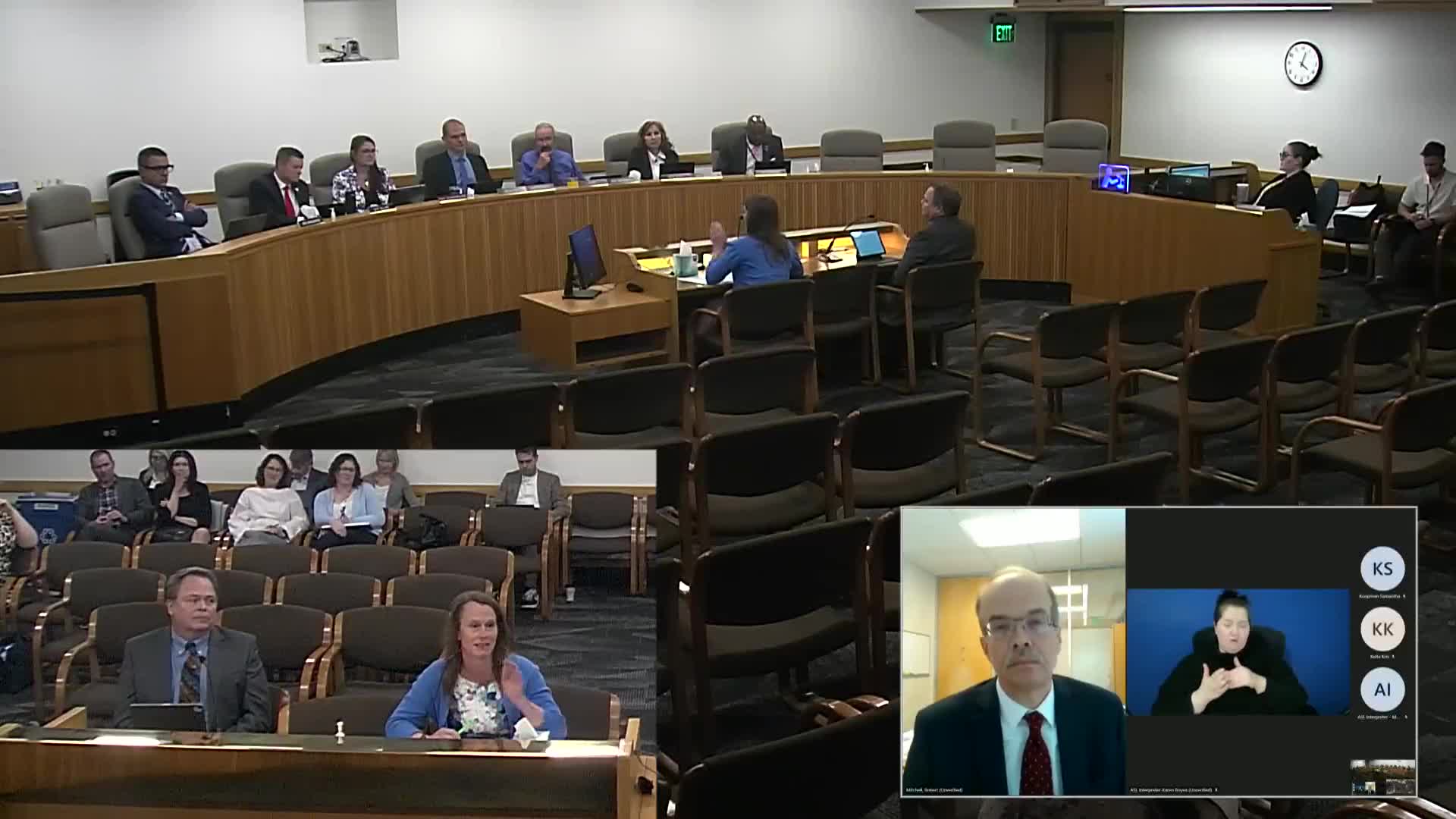
Supporters told the Senate Judiciary Committee SB 1123 would give court visitors immunity for good-faith acts while performing statutorily prescribed duties; witnesses said the change is needed to retain and recruit visitors who investigate guardianship petitions.
Senate Bill 1123 would shield appointed court visitors from civil liability for good-faith conduct while performing their duties, supporters told the Senate Committee on Judiciary at a public hearing.
Court visitors are the neutral, court‑appointed investigators who evaluate petitions for adult guardianship and report to judges, said Chris Rosen, Oregon Public Guardian and Conservator. "Court visitors are the unsung heroes of guardianship appointment process in Oregon," Rosen told the committee.
Committee members heard that visitors ensure due process in guardianship proceedings by investigating allegations of incapacity, communicating objections of the proposed protected person and recommending counsel when appropriate. Supporters argued immunity would align visitors’ protection with that already afforded to special advocates and would reduce a disincentive to serve.
Chris Rosen, Oregon Public Guardian and Conservator, explained that most court visitors in Oregon are independent contractors rather than court employees. He said this status leaves visitors personally responsible for defending lawsuits and that "because they are contractors, they are afforded no such assistance and should they ever find themselves sued ... they alone must defend themselves." Rosen said the bill's immunity language mirrors an existing immunity for special advocates.
Channa Newell of the Oregon Judicial Department told the committee the department is neutral on SB 1123 but values court visitors and their role. "The visitor's report ... is a floor for what the visitor must report back to the court," Newell said, adding presiding judges may set additional local qualifications and standards. She emphasized the bill's immunity applies only to acts done in good faith and within the scope of duties.
Longtime court visitor Katie Jarman described her personal experience after being named as a defendant in a district court suit related to a guardianship matter. Jarman said she was able to find only limited guidance and that her malpractice insurer could be uncertain about coverage for the claim. "Nobody becomes a court visitor for financial gain," she told the committee, saying many visitors treat the work as a low‑paying side role and that the threat of lawsuits discourages qualified people from serving.
Supporters argued the measure is needed to address a shortage of qualified court visitors and to prevent delays in guardianship proceedings when none are available. Witnesses asked the committee to pass SB 1123 to provide liability protection and help sustain the visitor workforce.
The committee held the public hearing and took testimony; no work session or vote on SB 1123 was recorded during the meeting.