Get Full Government Meeting Transcripts, Videos, & Alerts Forever!
Get email alerts on the Consumer Protection Pricing topic
No spam. Unsubscribe anytime.
Committee hears bill to bar 'drip pricing' and require fee disclosures in ads
Summary
House Bill 3533 would require sellers to disclose mandatory fees in advertisements for consumer goods and services and makes violations unlawful trade practices; state DOJ and consumer groups support the bill while business groups and industry associations requested technical clarifications and carve‑outs.
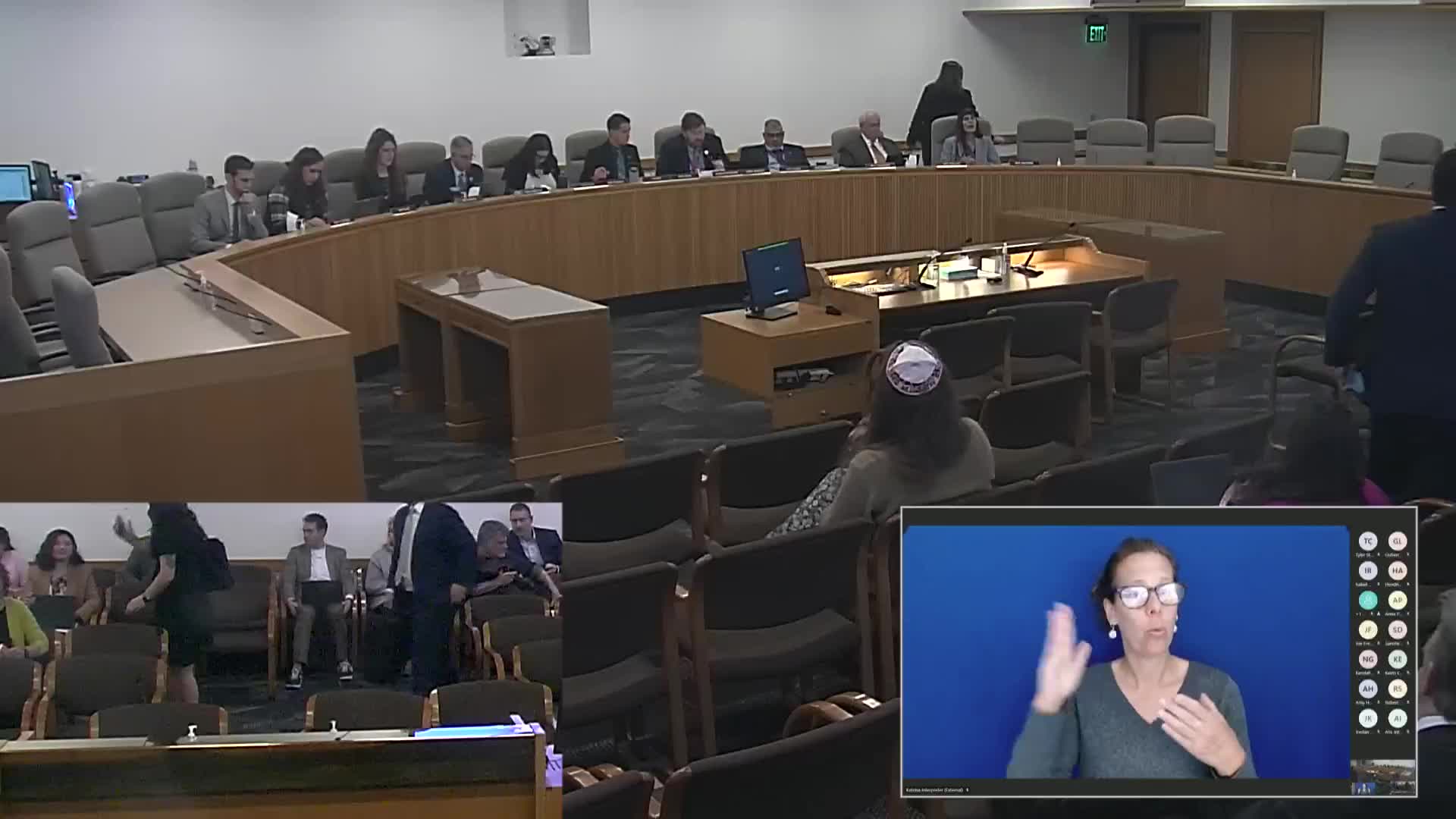
Salem — On March 11 the House Committee on Commerce and Consumer Protection heard testimony on House Bill 3533, a measure that would require sellers to include all mandatory fees in electronic advertisements and quotation of prices, making noncompliance an unlawful trade practice under Oregon law.
Representative Jules Walters, sponsor of HB 3533, told the committee the bill is ‘‘about fairness, transparency, and the fundamental right of every Oregonian to know the true cost of the goods and services they purchase.’’ Walters said the bill aims to prevent the common retail practice of showing a low advertised price and adding mandatory fees late in the checkout process.
Leslie Wu, policy advisor to Oregon Attorney General Dan Rayfield, testified on behalf of the Department of Justice and said the amendment language under discussion would align the proposal with California’s existing statute and clarify that taxes and shipping can be added after a seller knows the consumer’s ZIP code. Wu said the DOJ supports ending drip pricing and clarified that the draft would not require sellers to display taxes or shipping that depend on the buyer’s location upfront.
Consumer advocates told lawmakers that hidden fees — sometimes called junk fees or drip pricing — can materially increase costs for people on limited budgets. Angela Donnelly of Oregon Consumer Justice said HB 3533 would ensure consumers "can make informed decisions" and noted the practice can nearly double final cost at checkout.
Businesses and industry groups asked for technical fixes and narrow carve‑outs. DoorDash’s government relations manager said DoorDash already displays fees early in the selection process but asked the committee to allow variable fees (for example, distance‑based delivery fees) to be calculated in the cart before checkout because those amounts depend on consumer choices and addresses. TechNet argued that the Federal Trade Commission's recently finalized rule (effective May 12, 2025) already covers deceptive pricing and cautioned against state rules that would create overlapping obligations.
Representatives of housing providers and credit unions told the committee the bill as written could unintentionally affect how rental listings and financial products are advertised; they requested clarifications to ensure the law does not conflict with federal disclosure statutes such as Truth in Savings and Regulation Z.
Committee members pressed for precise carve‑outs and harmonization with the FTC rule. Staff said amendments would clarify that sellers may add taxes and shipping after they obtain location information and that the statute would mirror existing California law designed to eliminate drip pricing without sweeping in regulated financial disclosures or areas preempted by federal law.
No vote was taken; the committee closed the hearing and will consider amendment language and stakeholder input before any markup.
Votes at a glance: No formal votes were recorded on HB 3533 at this hearing.