Get Full Government Meeting Transcripts, Videos, & Alerts Forever!
Get email alerts on the Consumer Protection Ticketing topic
No spam. Unsubscribe anytime.
Oregon committee hears consumer-protection bill targeting deceptive ticket resellers
Summary
Lawmakers and stakeholders on March 11 debated House Bill 3167, the "Fan Fairness and Transparency Act," which would require upfront fee disclosure, ban speculative ticket listings and deceptive reseller sites, and create a private right of action under Oregon's Unlawful Trade Practices Act.
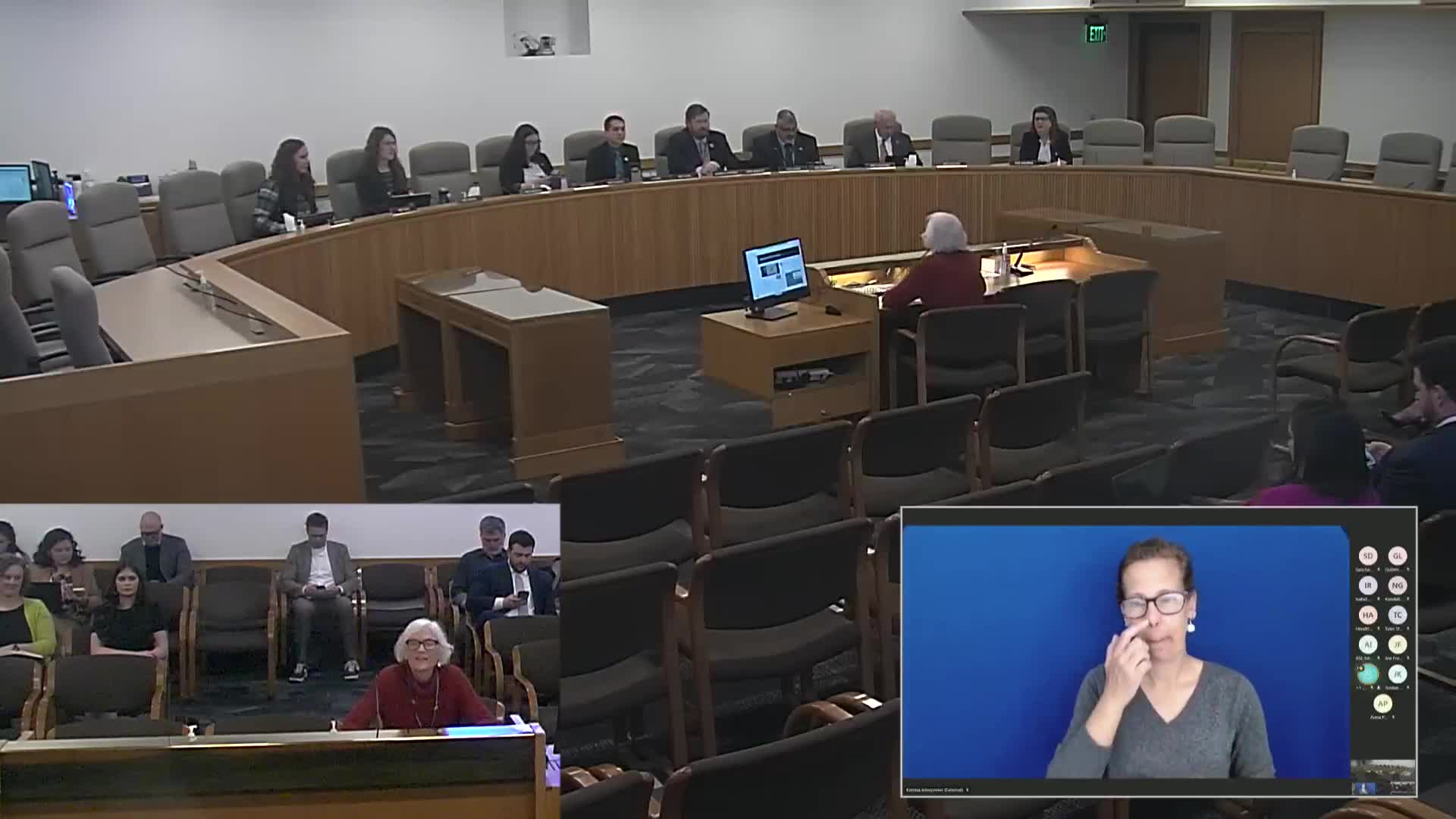
Salem — The House Committee on Commerce and Consumer Protection held a public hearing March 11 on House Bill 3167, the Fan Fairness and Transparency Act, a consumer-protection measure sponsored by Rep. Pam Marsh that aims to curb deceptive practices in online ticket sales.
Marsh told the committee the bill would require ticket sellers to "disclose all fees upfront," prohibit speculative ticketing and the use of misleading domain names or logos by resellers, and require clear labeling when a buyer is dealing with a secondary marketplace. She said the measure would also allow a private right of action for violations under the state's Unlawful Trade Practices Act (UTPA).
"This legislation will enact consumer protections to make sure that customers who are purchasing event tickets online know what they are getting," Rep. Pam Marsh said. Marsh described a personal example in which a staffer paid $75 for tickets that were later found at the venue for $25 each, saying the purchaser "spent $150 more than she needed to for those tickets." The sponsor and supportive witnesses framed the bill as protecting both consumers and small venues that depend on community trust.
Venue operators and arts organizations described how deceptive resale listings and sites that mimic box office websites have harmed patrons and venues. Abby McKee, president and CEO of the Bridal Music and Arts Festival, described a patron who paid $1,500 for tickets that later proved to be $159 at the venue, and said speculative listings "happen every single Britt show." Rachel Lembo, interim executive director of Portland 5 Centers for the Arts, gave an example of a patron who used a search result that appeared to be the official box office and "paid $500 extra for these tickets."
Secondary-market companies told the committee they support parts of the bill — particularly upfront total pricing — but opposed provisions they said could be impractical or anti‑competitive. Joe Freeman, vice president of government relations at SeatGeek, said SeatGeek supports "all in pricing" and protections against misleading websites but opposed other sections as drafted. Tyler St. Clair of Vivid Seats said his company supports consumer choice, including the ability for buyers to transfer tickets, and urged caution about rules that would require resellers to track primary-box-office inventory and current prices.
Several witnesses asked the committee to preserve venues' ability to choose whether tickets are transferable. Rep. Marsh and proponents said the dash‑3 amendment removed mandatory transferability to preserve the status quo and focus on transparency and anti‑fraud provisions now.
Consumer advocates and venue groups urged passage. Kendall Gilvar of the National Independent Venue Association said the bill "tackles some of the worst predatory ticketing practices" and preserves venues' and artists' current ability to set transfer rules. Musicians and fan advocates said the measure is an important step to stop speculative and fraudulent listings that leave fans without valid tickets at the door.
Representatives of the Oregon Liability Reform Coalition and some business coalitions urged the committee to revisit the private‑right‑of‑action language, arguing that the UTPA statutory damages and class‑action exposure could be onerous for smaller sellers or individuals. Fawn Berry said the UTPA provision could permit suits for minimal damages and recommended using the attorney general's enforcement authority rather than a private right of action.
The committee did not take a vote. The public hearing record includes written testimony from the Department of Justice and from multiple venue and fan‑advocacy organizations in support of the bill and written opposition from several resale marketplace representatives.
The committee closed the public hearing on HB 3167 and proceeded to a separate hearing on a different bill.
Votes at a glance: No formal motions or votes were recorded on HB 3167 during this meeting.