Get Full Government Meeting Transcripts, Videos, & Alerts Forever!
Get email alerts on the Veterans Healthcare Waiver topic
No spam. Unsubscribe anytime.
House committee hears testimony on bill to create Veterans Waiver Program to expand health care access
Summary
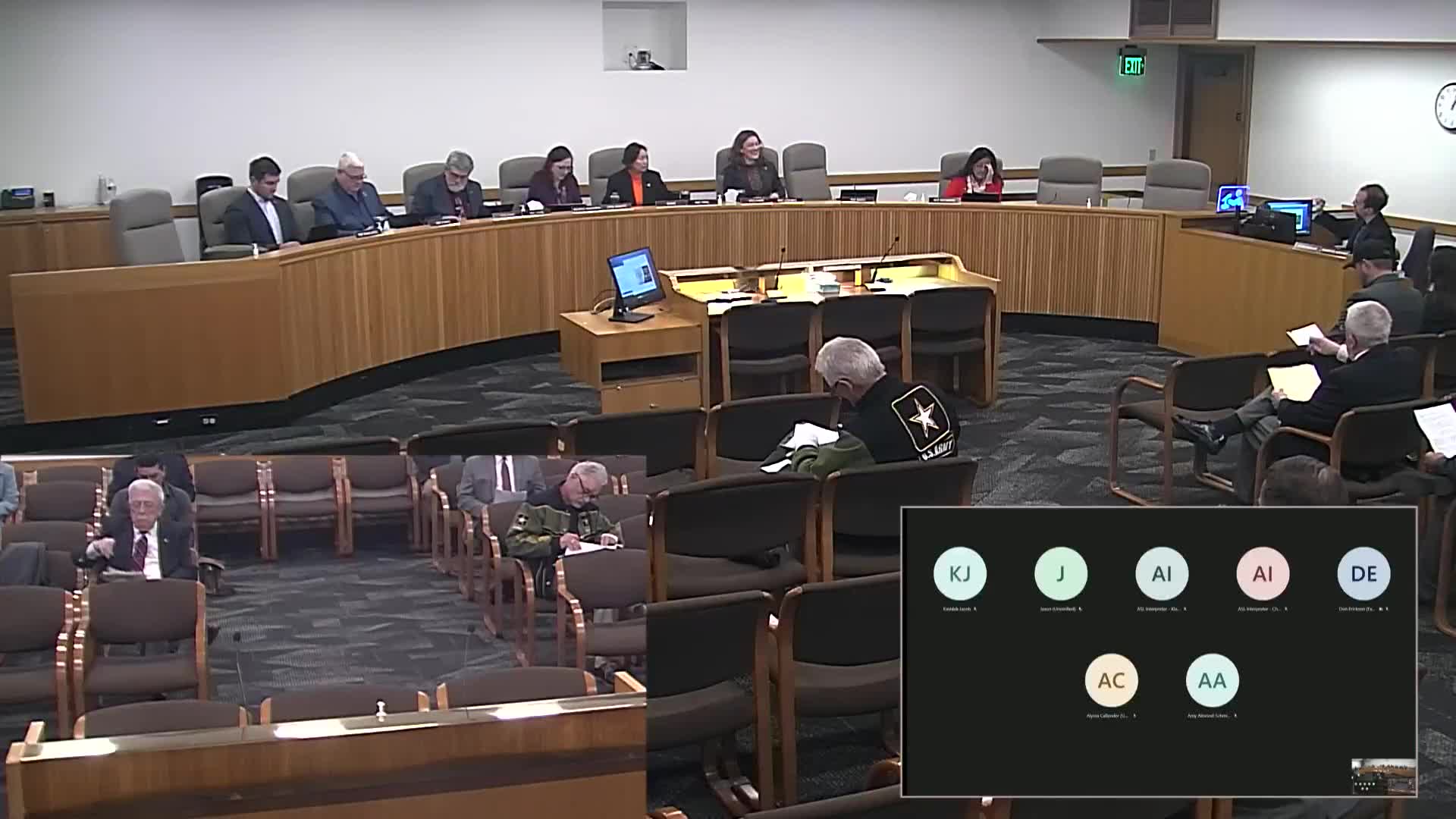
Chair Thuy Tran opened a public hearing March 11 on House Bill 2,537, which would create a Veterans Waiver Program at the Oregon Health Authority to provide medical assistance to eligible veterans residing in Oregon.
Chair Thuy Tran opened a public hearing March 11 on House Bill 2,537, which would create a Veterans Waiver Program at the Oregon Health Authority to provide medical assistance to eligible veterans residing in Oregon. "As a Kern Air National Guardsman, this bill is personal to me," Chair Tran said as she introduced the measure.
The bill’s sponsor and witnesses told the House Committee on Emergency Management, General Government, and Veterans that the waiver is intended to fill gaps for veterans who do not access Veterans Health Administration (VHA) services because of eligibility limits, long waits, cultural barriers, or trauma tied to military service. "This isn't about replacing the VA. It's about filling a critical gap so that veterans can receive timely, lifesaving care," Tran said.
Jess Marks, executive director of the Alliance for a Safe Oregon, said Oregon’s veteran suicide and access problems have persisted for decades and urged lawmakers to pilot new models. "In Oregon, 1 veteran takes their life from suicide every 3 days," Marks testified, citing the organization’s analysis of state data.
Multiple advocates and service providers described the population the waiver targets: veterans under age 65 who may not qualify for Medicare, those with incomes above indigent thresholds but who lack VA eligibility, veterans discharged "other than honorable" for conduct now lawful in Oregon, and rural veterans facing long travel times to VHA facilities. Representative Travis Nelson, a supporter of the bill, described personal experience with a family member who depended on the VA but still faced obstacles; Nelson said the bill would "ensure that veterans, regardless of particular, VA eligibility, income, or disability rating can receive life saving medical and mental health services."
Witnesses recommended that the waiver include navigation support to help veterans enroll in VHA when appropriate and that the program prioritize timely interventions for crises and early-treatment options. Several presenters described evidence that access to primary and mental health care reduces suicide risk: Marks told the committee that expanding access through a Medicaid waiver could be largely offset by federal reimbursement, and other witnesses noted the PACT Act and existing VA efforts but said gaps remain.
Committee members asked about funding and program details. Representative Stellatos pointed out that Section 4 of the bill left a funding amount blank; staff answered that a fiscal analysis by the legislative fiscal office will be available before the work session. Witness Steve Schneider emphasized the distinction between dishonorable and "other than honorable" discharges and testified that many veterans with "other than honorable" discharges need care related to service injuries and trauma.
The public hearing included testimony from veterans, nonprofit providers, and advocates who described clinical examples — traumatic brain injury, toxic-exposure illnesses, homelessness, and substance use — and urged the committee to approve the waiver so Oregon could offer an additional pathway to care. David Kracke, Oregon’s Brain Injury Advocate Coordinator, told members screenings and immediate treatments for brain injury can function as suicide-prevention interventions.
No formal action or vote took place at the hearing. The committee closed the public hearing on HB 2,537 and proceeded to a public hearing on House Bill 2,538.
Ending: The bill will proceed through the committee process; staff told members fiscal estimates and any proposed amendments will be provided before the scheduled work session.