Citizen Portal

House Energy and Commerce subcommittee opens review of EPA Brownfields program, IIJA funding and redevelopment barriers

2575226 · March 11, 2025

Get AI-powered insights, summaries, and transcripts

Subscribe
AI-Generated Content: All content on this page was generated by AI to highlight key points from the meeting. For complete details and context, we recommend watching the full video. so we can fix them.

Summary

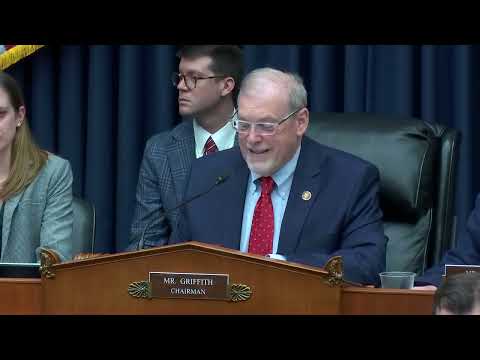
At a House Energy and Commerce subcommittee hearing, members opened an examination of the Environmental Protection Agency’s Brownfields program, its supplemental funding under the Infrastructure Investment and Jobs Act and obstacles to redeveloping contaminated properties.

At a House Energy and Commerce subcommittee hearing, members opened an examination of the Environmental Protection Agency’s Brownfields program, its supplemental funding under the Infrastructure Investment and Jobs Act and obstacles to redeveloping contaminated properties.

The presiding member (not identified in the transcript) said the panel would use testimony to “inform our efforts” as Congress considers reauthorizing the program, which was first established by the Small Business Liability Relief and Brownfields Revitalization Act of 2002 and is codified under the Comprehensive Environmental Response, Compensation, and Liability Act (CERCLA).

The subcommittee’s opening statement described brownfields as properties that contain, or may contain, hazardous substances, pollutants or contaminants that complicate redevelopment. The presiding member said such liability concerns often deter prospective purchasers when the original liable party no longer exists. Since 1993, the Environmental Protection Agency has administered federal efforts to identify, assess and clean up these sites.

Members and the presiding member noted the Infrastructure Investment and Jobs Act provided a $1,500,000,000 supplemental appropriation for Brownfields grants. The statement said awards under that law were exempted from some traditional statutory limitations, including certain maximum grant amounts and state and local cost-share requirements, and the subcommittee will examine the advantages and disadvantages of those changes. The opening also noted that the program’s last statutory authorization expired in September at the end of fiscal year 2023.

Witnesses invited to testify included Jim Kannaughton, chief executive officer of James L. Kannaughton Strategies and former chairman of the White House Council on Environmental Quality; Mayor Christian Bollwage of Elizabeth, New Jersey; Krista Stoneham, president and chief executive officer of the Houston Land Bank; and Duane Miller, executive director of the Lenowisco Planning District Commission. The presiding member said local and regional examples — including Lenowisco’s work to revitalize former mine land in Southwest Virginia — could illustrate how the Brownfields program supports economic development.

The panel’s opening remarks highlighted possible new uses for brownfields, including siting of data centers and other energy- and manufacturing-related facilities as demand for electricity and industrial space grows. The statement cited an industry estimate that more than 6,000 data centers could be built worldwide by the end of 2025 and said U.S. electricity demand is expected to grow by about 16% over the next five years; the subcommittee signaled interest in exploring whether brownfield sites could help meet that need.

No formal votes or committee actions were recorded in the portion of the transcript provided. The presiding member said the committee would take testimony from the witnesses to inform potential reauthorization and further oversight work; the hearing then proceeded with recognition of the ranking member (not identified in the transcript).