Get Full Government Meeting Transcripts, Videos, & Alerts Forever!
Get email alerts on the Regional Sewer Project Psa1 topic
No spam. Unsubscribe anytime.
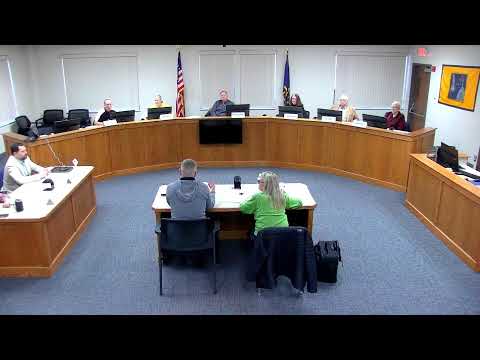
Marshall County sewer board faces residents’ questions; approves pump‑station land purchase
Summary
At a public meeting, the Marshall County Regional Sewer District heard hours of public comment about transparency, testing and costs for a proposed sewer project. The board approved a purchase agreement for a pump‑station site and several administrative items but did not set rates.
The Marshall County Regional Sewer District opened a public hearing and regular meeting to address questions about a proposed sewer project serving lakes-area neighborhoods and to take routine board actions, including approving a purchase agreement for a pump‑station site.
Board members and the district answered repeated questions from residents about testing, costs and timelines. Several residents told the board they had not received adequate information before the district mailed easement packets and said they worried about connection costs and losing control of their land. The board approved a contingent real‑estate purchase agreement for a proposed pump station site and several administrative items, but it did not adopt any customer rates at the session.
The district began the meeting by saying the regional sewer board was created after the Marshall County commissioners and county council asked the Indiana Department of Environmental Management (IDEM) to investigate septic systems. “The public health and water quality are being negatively impacted,” a district statement said, and the district was formed “to reduce pollution and create safe drinkable water for the district’s property owners.” The statement also said the district is pursuing state and federal grant and low‑interest loan opportunities and had issued a bond anticipation note for startup costs.
Public commenters pressed the board for more evidence. “When you have no statistics on failed or bad septics, you lump the ones that are unknown by the county into them instead of following the water quality to show good versus bad,” resident Gary Bennett said. Several other residents asked whether the district or IDEM had recent water‑quality testing for the lakes and demanded surveys of property‑owner interest before easements are requested.
District staff described the exemption process available to homeowners. The district said property owners will receive a notice and then have two months to notify the district of intent to seek an exemption; after that notification they have about 90 days to arrange a health‑department inspection. If the health department determines a private septic system is “functioning properly” it can qualify the property for an exemption of up to 10 years, renewable once for a total of 20 years under the state code the district cited. The district said an inspection fee is charged by the health department but did not specify the amount.
The board also addressed concerns about easements and construction impacts. The district said main lines will be routed primarily inside existing public rights of way and that where private easements are required an easement description will be provided; the district also said it will pursue property acquisitions only after required due diligence.
Votes at a glance - Approved: financials and claims (motion recorded; mover Christopher Spear; second recorded; vote recorded as yes by board members present). The board reported February ending balance $2,431,148.89 and February interest income $8,022.71; claims paid in February were $56,831.04 and claims presented totaled $69,001.53. - Approved: real‑estate purchase and sale agreement for Pump Station Site No. 1 (mover Brenda/Bridal Myers; second Don Ecker). The board approved the contingent purchase; the agreement includes a 180‑day due‑diligence period and referenced a sale price described in the packet as “25” (the packet text did not specify the currency units). Vote recorded as aye by board members present. - Approved: Asset Management Program (AMP) certification form required by the State Revolving Fund (motion by Diane Parsons). The board authorized staff to submit the AMP materials to SRF and to finalize details with the financial advisor once available. - Approved: authorization for Jay Stone to sign documents on the district’s behalf as needed (mover Don Ecker; vote recorded as yes).
What the approvals do and do not do The pump‑station purchase agreement the board approved is contingent: the district said it included a 180‑day due‑diligence period to allow completion of investigations, engineering, funding decisions and final project approval. The board repeatedly emphasized that no customer rates were adopted at the meeting and that projected monthly service charges remain estimates; the packet and public comments referenced prior rough estimates (one meeting note cited $208 per month as an example) but the district said no final rates have been set.
Residents asked about affordability and assistance. Board members and commenters said Marshall County officials have discussed setting aside county funds to assist property owners; meeting participants referenced a previously discussed $500,000 set‑aside in county notes. The district said it will include information about existing grant and loan programs (USDA, state programs) and will post updated frequently asked questions and statute references on its website.
Next steps The district said it will continue field visits and site checks starting in April, collect and log exemption requests from property owners, and follow up with property‑level easement and access discussions where needed. The engineering team said it will finalize mainline alignments, complete utility locates and proceed with soil borings and hydraulic checks as part of predesign work. The district also said it will submit required AMP and cybersecurity confirmations to the State Revolving Fund by the SRF deadline and that additional funding announcements are expected in July.
Board, staff and speakers Board members and staff present ran the meeting and answered public questions; many residents attended and spoke during the public comment portion. The board invited residents to request property‑level meetings with engineers and pledged to post statute text and updated FAQs online.
The meeting closed after the board completed votes on routine minutes, claims and the purchase agreement and heard more public comment. The district did not adopt construction schedules or customer rates at the meeting; those items remain contingent on funding, final design and formal rate hearings.
Ending: The district encouraged any property owner with questions to request a property visit and to use the posted contact information; it said notices about the exemption and inspection process will be mailed before the district requires property owners to act.