Get Full Government Meeting Transcripts, Videos, & Alerts Forever!
Get email alerts on the Tree Protection Exemption topic
No spam. Unsubscribe anytime.
Committee approves temporary exemption for city infrastructure from Tree Protection Ordinance
Summary
The Finance and Executive Committee adopted a substitute ordinance exempting specified city infrastructure projects from the City of Atlanta Tree Protection Ordinance until a new ordinance is adopted, while requiring on‑site replanting to the maximum extent feasible and payment into the city's tree trust fund for uncompensated removals.
The Finance and Executive Committee on an amended substitute on Oct. 12 approved an ordinance exempting most City of Atlanta public infrastructure projects from the Tree Protection Ordinance until the council adopts a new tree ordinance, while requiring projects to plant replacement trees on site to the maximum extent feasible and to contribute recompense payments to the city’s tree trust fund for removals that cannot be replaced.
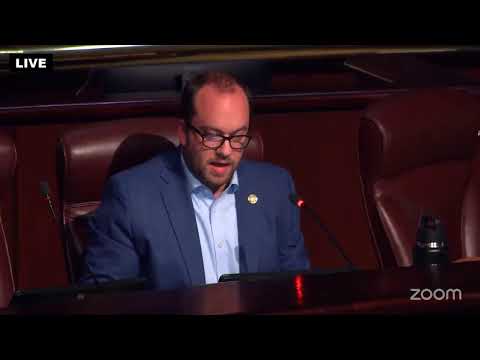
The substitute ordinance, introduced and discussed by Councilmember Hillis, applies the exemption to public infrastructure projects administered by Watershed Management, the Department of Transportation, the Department of Enterprise Asset Management, Atlanta BeltLine Inc., and the Path Foundation. "We started on one side and we have met in the middle," Hillis said, arguing the change is intended to let long‑delayed infrastructure projects proceed while preserving a mechanism to replace trees.
The substitute requires that project teams "continue to plant replacement trees within the project site to the maximum extent feasible," and that any trees removed in excess of trees replaced be valued according to the recompense formulas in the current Tree Protection Ordinance (chapter 158, article 2) and paid into the tree trust fund. City Law noted existing sections that supply the formula and special rules for projects subject to federal consent decrees remain in force; "there's a formula...which will remain," an attorney in the law office said during the meeting.
Council debate and public comment framed the measure as a compromise between competing priorities. Public commenters including Greg Levine and Dalil Anthony, representing tree advocacy groups, urged higher recompense and one‑for‑one on‑site replacement where possible; Levine noted a 2019 recompense figure and said members expect the city to preserve canopy. Hillis and other councilmembers cited practical constraints: limited public planting sites, ongoing sidewalk and sewer work under federal consent decrees, and long‑pending projects that could be stalled if strict inch‑for‑inch on‑site replacement were enforced.
The committee approved the substitute motion to adopt the ordinance; the chair announced the vote as "4 yeas, 0 nays and 3 abstentions." Chair Howard Shook said he would abstain to give himself additional time to review the substitute; Councilmember Overstreet also announced she would abstain during the discussion. The councilmember who moved the motion and the member who seconded are recorded in the committee minutes as the author and a second (motion by Councilmember Hillis; second by Mr. Juan). The ordinance will proceed to the full council for a final vote.
Why it matters: Committee members said the change seeks to balance canopy preservation with urgent city infrastructure needs — sidewalks, sewer work required by federal consent decrees, and long‑delayed street and public‑safety projects — while preserving recompense payments to support tree replacement programs.
Next steps: The ordinance moves to the full Atlanta City Council for further consideration. The committee and speakers also noted the full Tree Protection Ordinance remains in the public process and that recompense calculations will be revisited as part of the new ordinance process.